Cuneo accommodation — places to stay in Provincia di Cuneo
Cuneo accommodation covers hotel rooms and B&Bs in the city of Cuneo plus a wide portfolio of agriturismi, country houses, holiday rentals and mountain lodgings across Provincia di Cuneo in Piemonte. Use Cuneo as a service and transport hub for day trips to the Langhe, Roero and alpine valleys, or choose a rural agriturismo for immersive wine- and food-focused stays. This guide explains arrival options, neighbourhoods, accommodation types, booking approaches, accessibility considerations, food experiences, practical safety guidance and where to verify up-to-date local information.
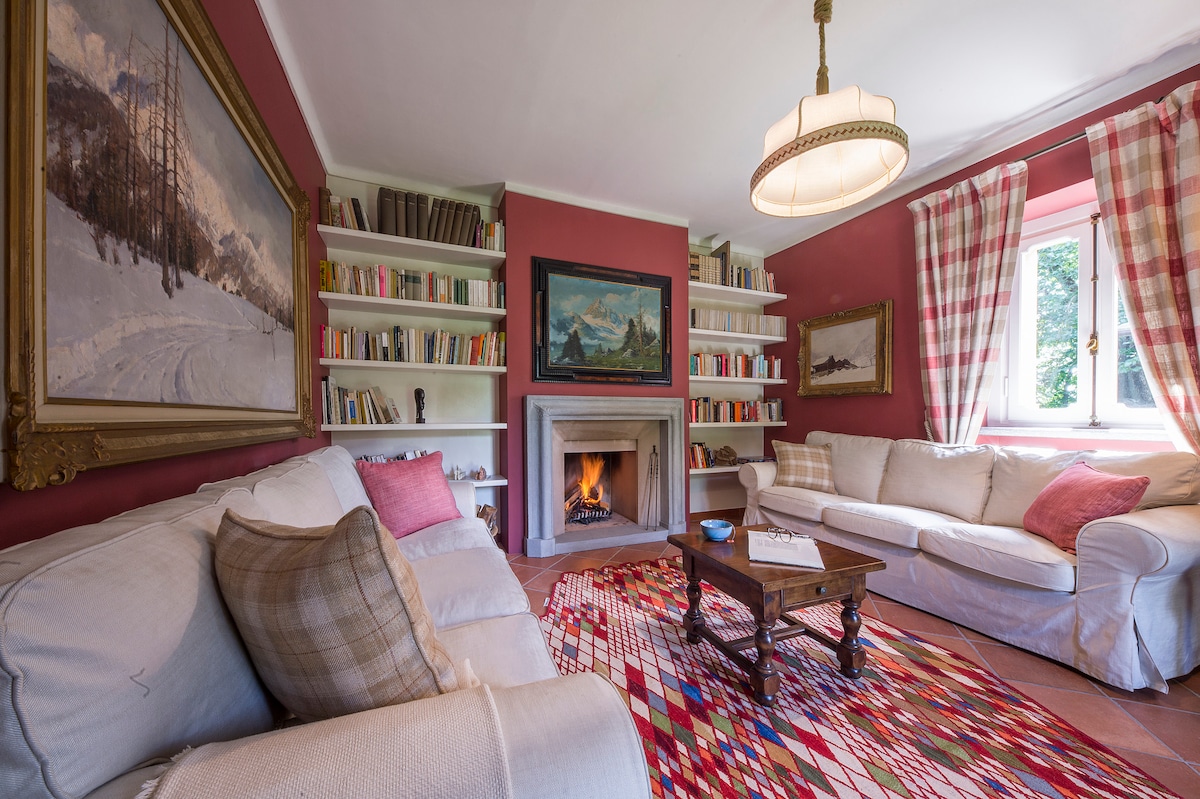
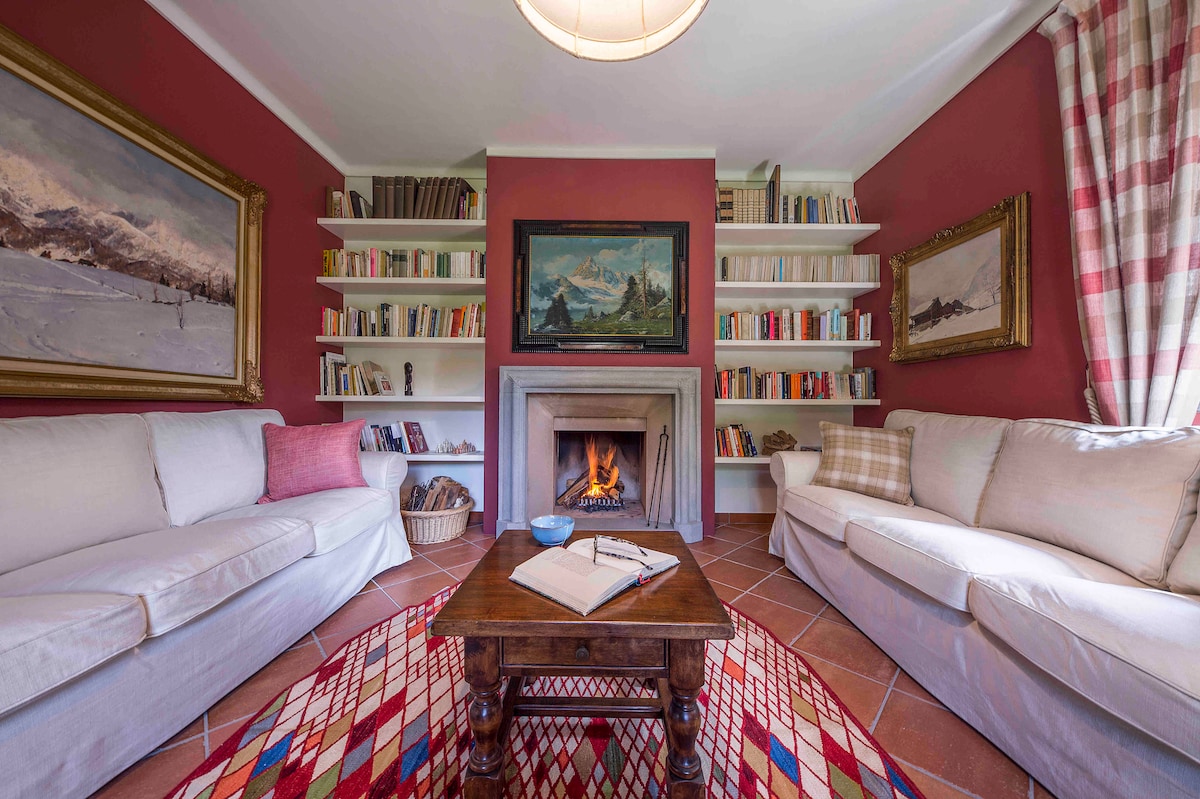
Guest accessYou will have the exclusive and private use of:- entire house of 500sqm- private garden,- terrace overlooking pool and valley with pergola and table for outdoor dining, wood oven and barbecue- Sky Spa all for you, payment extra service (to be booked in advance )—————————————-The swimming pool 25 meters x 4 meters and the surrounding pool’ s…
Quick answer — what Cuneo accommodation covers
Cuneo accommodation refers both to properties inside the city of Cuneo and to the broad mix of places to stay across Provincia di Cuneo: hotels, boutique B&Bs, short-term apartment rentals, agriturismi in the Langhe and family-run mountain lodgings. Use Cuneo city as an efficient transport and services hub while choosing rural locations for wine-country or alpine access.
For travellers prioritising convenience, book in Cuneo city (historic centre) for rail connections and restaurants. For immersive countryside experiences look at agriturismi and farm stays in Langhe and Monferrato zones within the same province; these properties are a different product category than urban hotels and often include meals or farm visits.
This guide covers practical arrival routes, neighbourhood notes for Cuneo city, the main accommodation types available across the province, tips on booking and seasons, plus mobility and accessibility considerations. Sources used for factual statements include municipal and provincial tourism offices, national statistics and leading accommodation platforms listed in the sources section.
Resolving the place: province versus city
The request named Provincia di Cuneo (the province). To provide an accurate destination page we resolved that to the city of Cuneo as the primary urban anchor within Provincia di Cuneo, Piemonte, Italia. The province (Provincia di Cuneo) is a large administrative area that includes the city of Cuneo and many smaller towns and rural sub-regions (Langhe, Roero, Alps). Official provincial information is maintained through the Provincia di Cuneo portal and municipal pages. (Sources: Provincia di Cuneo portal; Comune di Cuneo tourism.)
When travellers search for accommodation they commonly look for a city address (Cuneo) or for specific localities in the province (Alba, La Morra, Bra, Mondovì, Saluzzo). This guide therefore treats Cuneo city as the central base for services and transport while surveying accommodation types across the province’s diverse landscapes.
Conservatively resolving the destination this way avoids conflating provincial-scale facts with city-level details. Where numbers or transport notes are regional (province-wide) they are labelled as such and supported with provincial or national statistics sources.
Practical arrival and regional transport
Rail: Cuneo’s principal rail facility is Cuneo (Cuneo Altipiano) station served by Trenitalia regional services that connect Cuneo with Turin, Fossano and coastal lines. Regional timetables are published by Trenitalia and by the Piemonte regional schedule; these indicate regular regional trains though not all services run with high-frequency intervals, so check times ahead of travel. (Official regional timetable PDF used as source.)
Road: The province has an extensive road network and Cuneo is reachable via autostrada and regional state roads. Travellers driving from Turin or Liguria use well-marked provincial roads; allow extra time in winter for mountain passes. For remote villages and agriturismi a car is the most practical option.
Local buses and transfers: Local bus networks and seasonal shuttle services link the city with smaller towns and mountain resorts. For first- and last-mile connections (vineyards, hilltop villages) arrange private transfers, taxi services or choose properties that provide pick-up. Municipal tourist offices (Comune di Cuneo / ATL del Cuneese) list local bus lines and tourist shuttles.
Types of accommodation across Cuneo and the province
City hotels and B&Bs: In Cuneo city you’ll find mid-sized hotels, business hotels and family-run B&Bs concentrated near the historic centre and train station—convenient for short stays, restaurants and day trips. Large platforms and hotel booking sites list city properties with immediate availability and searchable filters.
Short-term apartments and rentals: Apartment rentals and private flats appear on global platforms and are ideal for longer stays, families or independent travellers who prefer self-catering. Listings cover both central apartments in historic buildings and modern flats near transport hubs.
Agriturismi, country houses and rural villas: The Provincia di Cuneo is rich in agriturismi and countryside holiday homes—especially in the Langhe, Roero and southern vineyard areas. These accommodations typically focus on local food experiences, proximity to wineries and scenic views; they are listed on specialised directories for agritourism as well as mainstream platforms.
Neighbourhoods and micro-regions to choose from
Cuneo city centre: The historic, orthogonal layout, wide arcaded streets and central piazzas make the city a pleasant base for food and markets. Choose a lodging in or near the centro storico for walkability and evening dining options.
Langhe and Roero (wine country): South and east of Cuneo province lie the rolling vineyards and hilltop villages famed for Barolo, Barbaresco and Nebbiolo wines. Stay in La Morra, Barolo, or in agriturismi across the countryside for vineyard access and tasting itineraries.
Alps and mountain valleys: The northern and western parts of the province include alpine valleys and winter-summer resorts. Mountain lodges, family-run rifugi and small hotels serve outdoor recreation; for alpine stays check seasonal access and services, as some mountain roads close or have restricted services in winter.
Booking strategies and timing
Peak seasons and festivals: The busiest travel periods are grape harvest/food festivals in autumn, summer weekends in alpine valleys, and holiday periods. If you plan to attend food-related events or harvest-season winery visits, book at least several weeks ahead for popular agriturismi and rural villas.
Mid-week and shoulder-season savings: Travelling in spring and late autumn often yields lower nightly rates and better room choices across hotels and agriturismi. Mid-week stays in the city provide the kind of availability and flexibility useful for multi-day touring.
Platform selection and verification: Use multiple channels—official municipal/ATL information for local events, specialised agriturismo directories for farm-stays, and mainstream booking platforms for hotels and apartments. Always verify the property location (city vs. rural municipality), cancellation policy, and whether meals or transfers are included.
Accessibility and traveller considerations
Language and services: Municipal tourist offices and many hotels provide English-language material, but smaller rural hosts speak limited English. If language support is essential ask properties directly about English-speaking staff or book through platforms that offer English customer service.
Mobility and special needs: The historic centre in Cuneo includes many older buildings with stairs and limited elevator access; some modern hotels and several agriturismi list accessibility features in their descriptions. For mobility-impaired travellers confirm room accessibility, bathroom fittings and transport assistance before booking.
Childcare and family stays: Family rooms and self-catering apartments are available both in town and in agriturismi. Many farm stays offer outdoor space for children; however, services such as baby cots or child meals vary. Confirm family-specific facilities directly with hosts prior to arrival.
Food, wine and local experiences linked to stays
Dining and enotecas: Cuneo city offers a range of trattorie, osterie and modern restaurants. For wine tours, book tastings at wineries in the Langhe and Roero; many estates request reservations. Municipal and regional tourism pages list enoteca locations and wine-route suggestions.
Farm-to-table and agriturismo meals: Agriturismi frequently include breakfast and dinner made with local produce—some offer tasting menus or cooking stages focused on Piedmontese specialities. Those seeking immersive culinary experiences should prioritise stays that advertise included meals and farm activities.
Markets and food events: Weekly markets, food festivals and seasonal fairs are common across the province, particularly during harvest season. Event calendars maintained by the ATL del Cuneese and Visit Piemonte are the best sources for specific dates and locations.
Practical safety, money and local rules (conservative guidance)
Local regulations and official resources: For up-to-date administrative notices, local road works, and municipal guidance consult the Comune di Cuneo and Provincia di Cuneo portals. These official sources list public services and notices that may affect travel plans.
Money and ATMs: Cuneo city has standard banking services and ATMs; smaller villages and rural agriturismi may not accept cards, so carry some cash for village shops or small restaurants. Confirm payment options with the property if cashless payment is required.
Health and emergency contacts: There are municipal health services and hospitals in larger towns. For emergencies dial the standard Italian emergency numbers; check municipal pages for the nearest health facility when staying in a remote location.
Cuneo travel facts and current statistics
Population (ISTAT): 579,948 residents (province) — 2023 population total for Provincia di Cuneo — Provincia di Cuneo (regional), 2023. Source
Agriturismi inventory (Agriturismi.it): 46 agriturismi listed for Cuneo area — current inventory — Provincia di Cuneo (regional), 2026-08. Source
What travelers consistently mention about Cuneo
Strong demand for countryside agriturismo experiences and wine-region stays
Multiple accommodation directories and the local ATL emphasise a plentiful supply of agriturismi and countryside holiday homes across the Provincia di Cuneo, especially in the Langhe and Roero wine districts. Travellers frequently choose rural stays for vineyard access and local food experiences; specialised directories list dozens of farm-stay options in the province.
City-centre convenience and walkable historic centre in Cuneo
Hotel and municipal pages highlight Cuneo city’s historic grid, arcaded streets and central amenities, making it a common base for travellers seeking easy access to restaurants, markets and train connections. Many bookings cluster around the centro storico and the main station for convenience.
Transport trade-off: rail connections exist but car preferred for provincial exploration
Official regional timetables show regular Trenitalia regional services to Cuneo, but provincial and travel sources note that full exploration of wine-country and alpine valleys is easier by car. Visitors should plan transport for first- and last-mile links in rural areas and verify seasonal bus or shuttle availability.
Frequently asked questions about Cuneo stays
What kinds of places to stay can I find in Cuneo (Provincia di Cuneo)?
Cuneo and the surrounding Provincia di Cuneo offer a wide range of accommodation: city hotels and boutique B&Bs in Cuneo town; self-catering apartments and short-term rentals listed on platforms; agriturismi and country guesthouses across the Langhe and lower Alps; and small family-run inns in market towns. Use the city of Cuneo as your base for touring the province, or choose a village property for wine-country or mountain access. (Sources listed below include major booking platforms and local agriturismo directories.)
How do I reach Cuneo by public transport?
Cuneo is served by regional trains and an intercity road network. Trenitalia operates regional services linking Cuneo with Turin, Fossano and onward connections; schedules and the Piemonte regional timetable indicate regular regional services but seasonal and weekend frequencies vary. For many smaller villages in the province you’ll need a car or local bus links. Check the Trenitalia regional timetable and local ATL/municipal info before travel. (See transport sources below.)
Is Cuneo a good base for wine touring the Langhe and Barolo area?
Yes. The Provincia di Cuneo contains much of the Langhe, Roero and Monferrato wine districts. Many visitors base themselves in Cuneo city or nearby towns (Alba, La Morra, Barolo) and take day visits to wineries and enotecas. Agriturismi and country holiday rentals are plentiful across the province for people wanting vineyard access. Refer to local accommodation directories and regional tourism pages for winery routes and estate contacts.
When is the best time to visit Cuneo province?
Spring (April–June) and autumn (September–October) are widely recommended for mild weather, lower crowds and harvest/festival activity in the Langhe. Summer brings warmer valley temperatures and more agriturismo availability; winter benefits nearby alpine skiing but expect some closures in country accommodation. Check local event calendars from the ATL del Cuneese and Visit Piemonte for specific festival dates.
Are English-language services and tourist information available in Cuneo?
Cuneo’s municipal tourist office and the ATL del Cuneese provide information and event listings; while many small hotels and wineries offer basic English, expect variable language coverage in rural areas. Major tourist webpages (regional and municipal) offer English pages, and large booking platforms show English-language listings for the city’s hotels and apartments.
Do I need a car to explore Provincia di Cuneo?
A car is recommended for full exploration of the province — especially wine-country, hilltop villages and alpine valleys where public transport is limited. If you prefer not to drive, base yourself in Cuneo or Alba and use a mix of trains, regional buses and organised excursions. For remote agriturismi or mountain huts a vehicle provides the greatest flexibility.
Sources and review notes
Reviewed 2026-08-25. Verify current schedules, prices and access at the source.