Santa Pau, La Garrotxa — holiday rentals, casas rurals and bases for hiking
Santa Pau holiday rentals
Santa Pau is a compact medieval village and municipality in La Garrotxa, Catalonia, that works well as a slow‑travel base for volcanoes, beech forest walks and small‑town Catalan life. Holiday rentals in the village range from restored stone townhouses to rural cottages; book early for summer and local festival dates, check host registration on official pages and confirm transport options if not driving. ([santapau.cat](source))
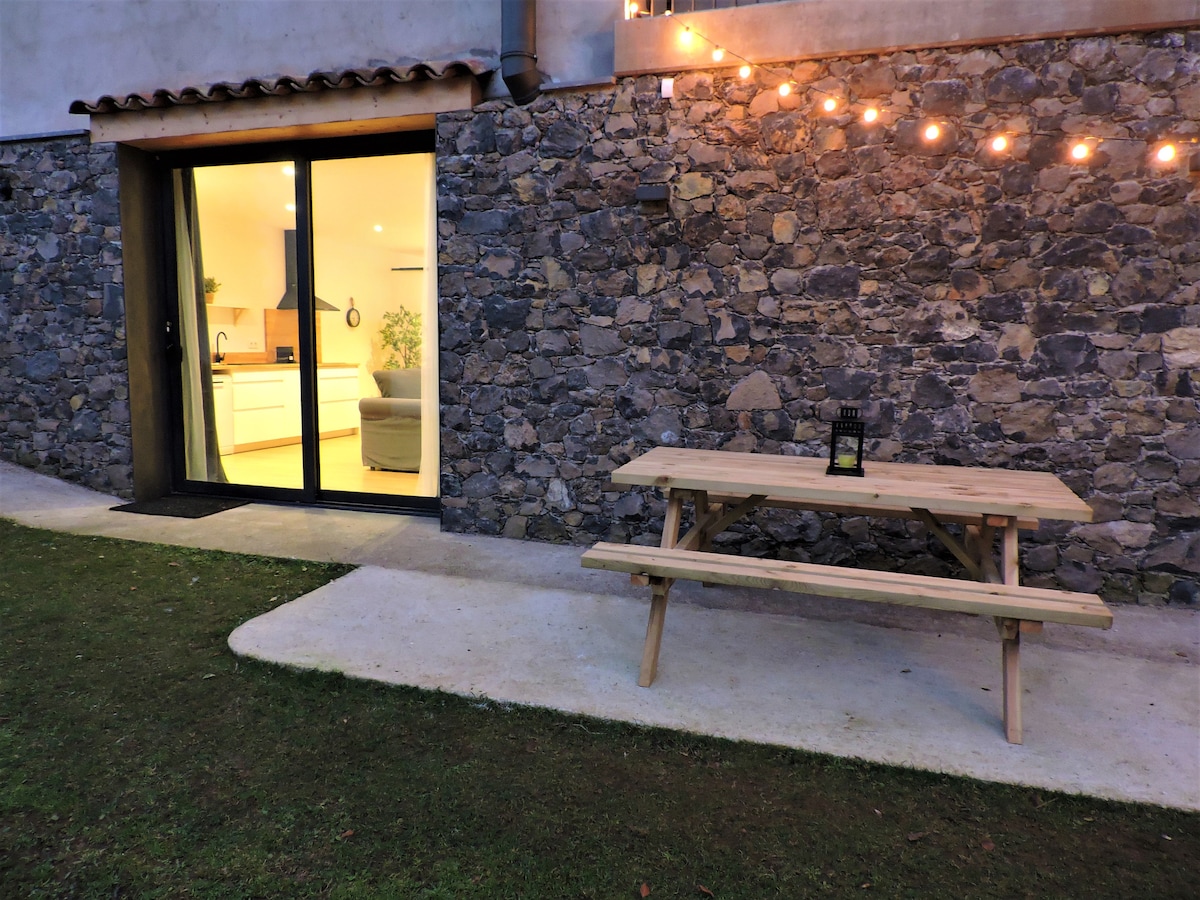
Enjoy a special stay in a unique and quiet place at the foot of the Croscat volcano, in the heart of the Garrotxa Volcanic Zone Natural Park and 10 minutes from Olot. The space The house features a full kitchen, washing machine, heating, and air conditioning. Located within the Garrotxa Volcanic Zone Natural Park, it offers numerous itineraries and…
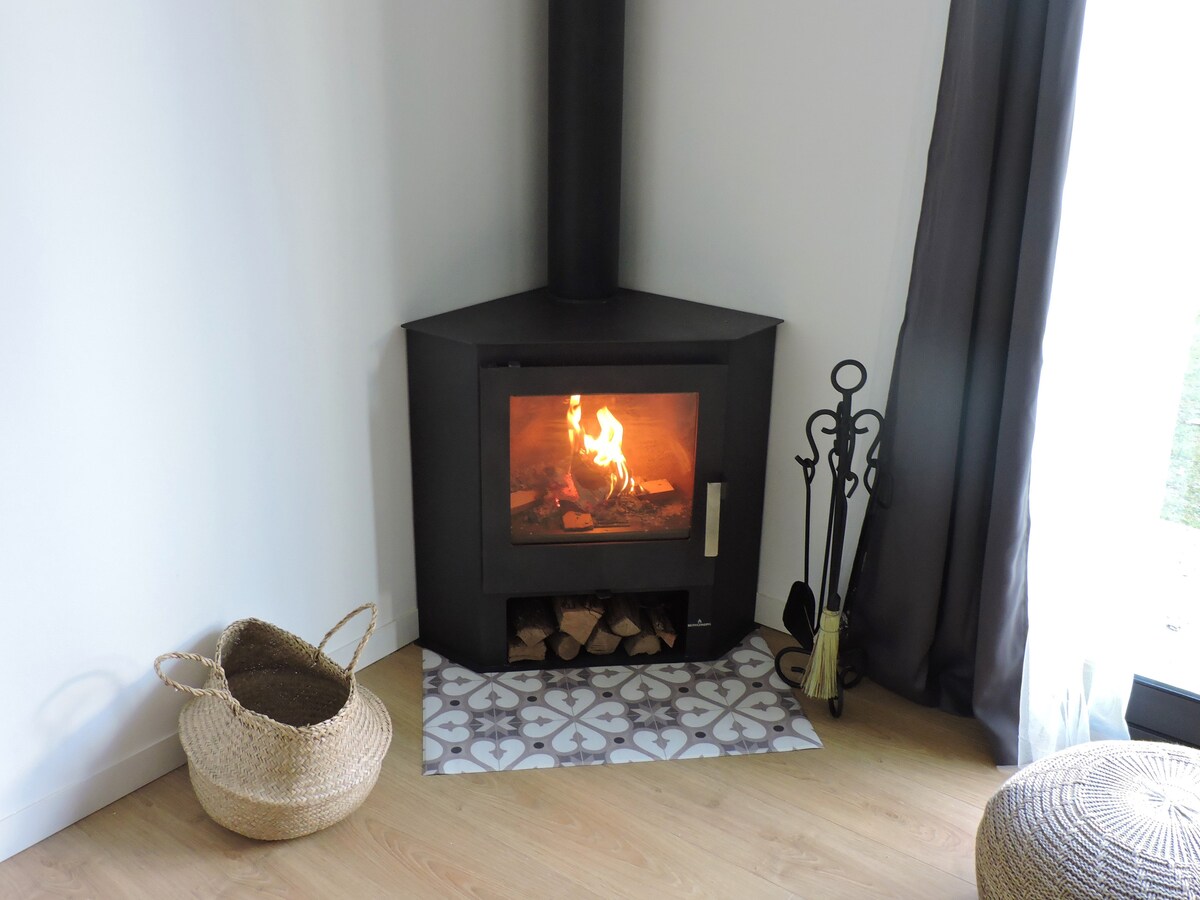
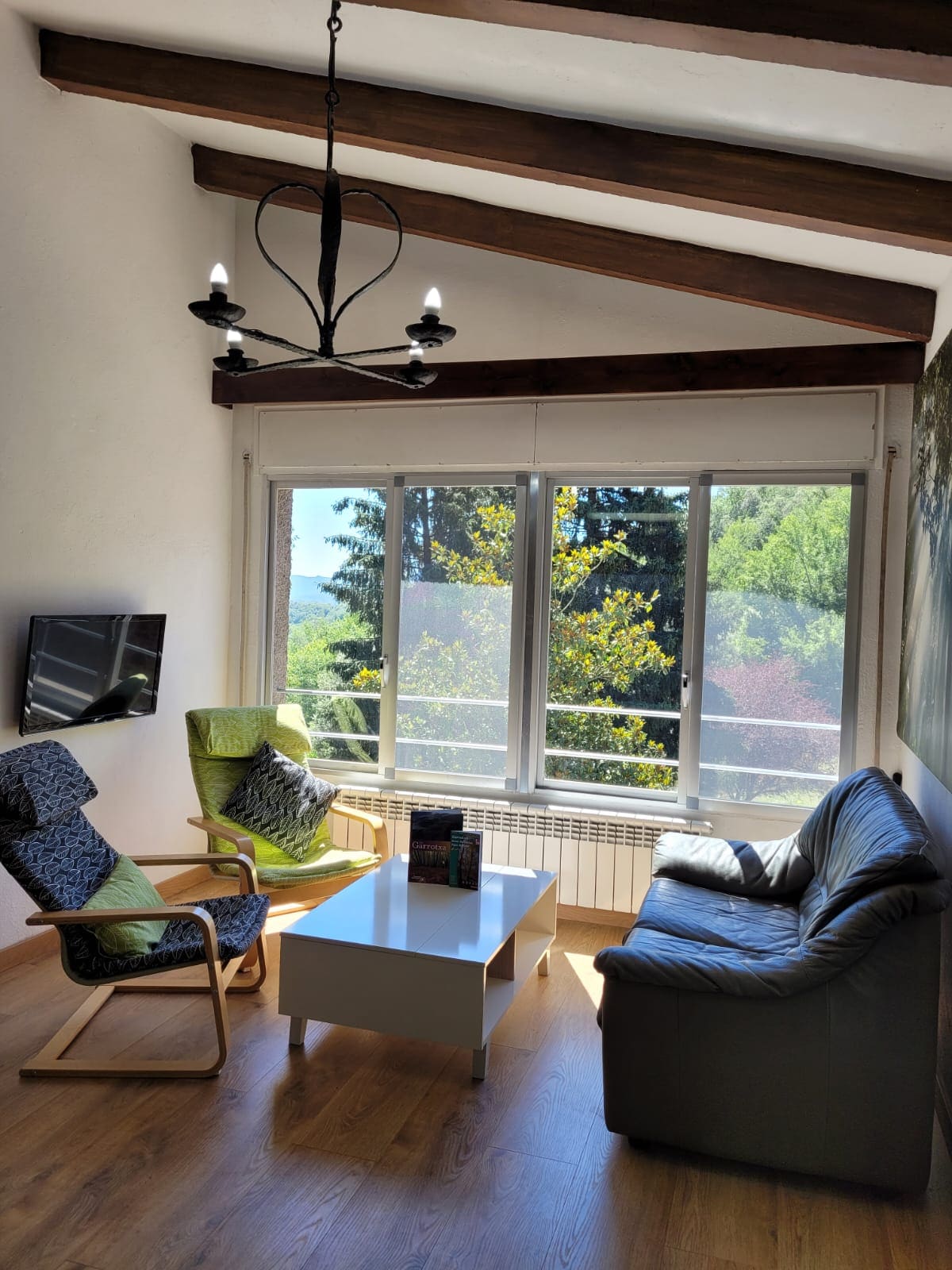
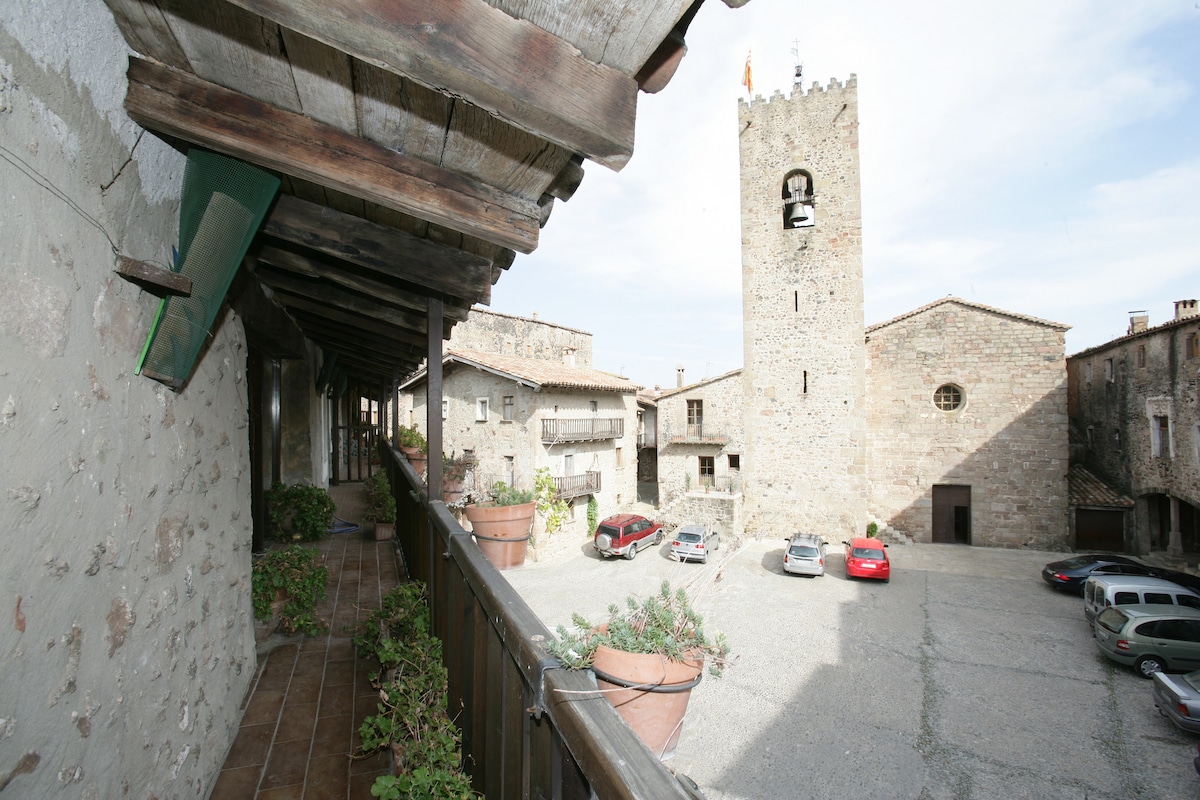
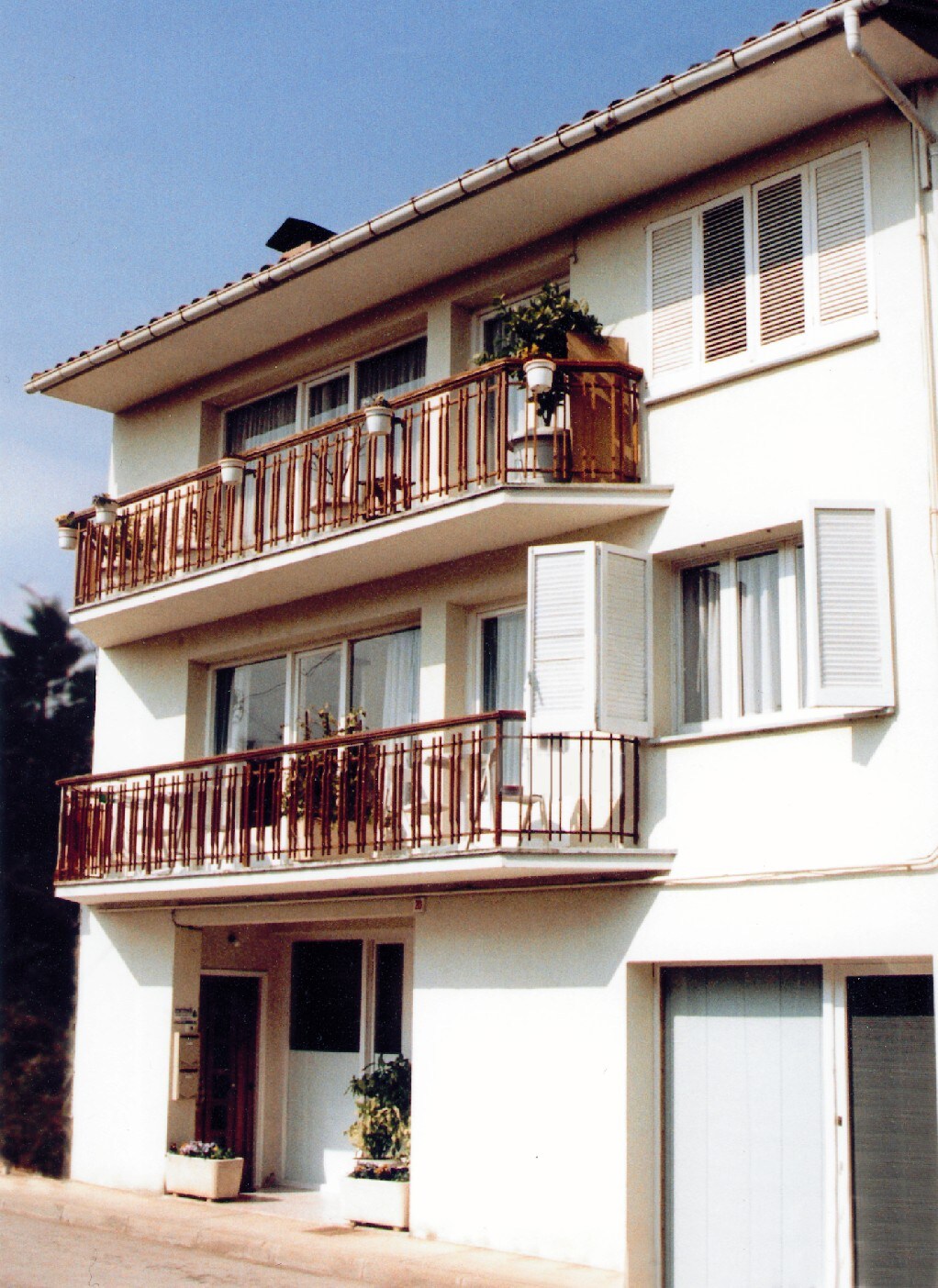
An apartment located in the emblematic medieval historic village of Santa Pau, in the heart of La Garrotxa and the volcanoes natural park. It features 4 bedrooms and 3 bathrooms across 180 m², furnished and decorated in a rustic style with antique pieces and stone walls. The apartment is fully equipped with central heating, 3 fireplaces, Wi-Fi, and fans in…
The apartment is located on the first floor and measures approximately 35 m². Nestled in the heart of the Volcanic Natural Park of the Garrotxa, it offers a tranquil retreat surrounded by nature. Nearby attractions include the Santa Margarita volcano and the Croscat volcano (2 km away), as well as the Fageda Jordà beech forest (500 m). The medieval village…
Cozy and charming apartment, ideal for couples or families, located near the Fageda d’en Jordà and the volcanic area of La Garrotxa. Private entrance and renovated rustic style with all modern comforts, including air conditioning. Up to 4 guests (max. 2 adults). Fully equipped kitchen, living room with fireplace, bedroom with double bed and bathroom. Shared…
Quick answer: why choose Santa Pau holiday rentals
Santa Pau holiday rentals put you at the heart of La Garrotxa’s volcanic landscape and inside a compact medieval village that’s walkable and photogenic. With a handful of family-run casas rurals, converted town houses and rural cottages within a few minutes’ walk of the Plaça Major, a stay here gives easy early access to short hikes, viewpoint loops and quiet evenings in locally run restaurants.
For travelers prioritizing nature walks, short drives to multiple volcanoes, and a genuine small-town Catalan experience, renting a private house or apartment in Santa Pau is a practical choice. Larger nearby towns such as Olot provide supermarkets, services and some transport links, but the village itself concentrates the visitor experience—architecture, local bakeries and access to the Parc Natural de la Zona Volcànica de la Garrotxa.
If you value small-scale hospitality and want to use accommodation as a base for hiking, volcano visits and day trips to Besalú or Rupit, look specifically for properties listed on platforms that disclose registration numbers and offer clear cancellation terms (Airbnb, VRBO, Booking) as well as the official Ajuntament listings for regulated guesthouses. ([airbnb.com](source))
What Santa Pau is (and what it isn’t)
Santa Pau is a municipality and village in the comarca of La Garrotxa in the province of Girona, Catalonia, Spain. It is an interior rural settlement surrounded by volcanic cones, beech forest and agricultural land rather than a coastal resort or large city. The town’s historic core has medieval streets, a plaza and stone architecture preserved as a cultural asset within the volcanic zone. ([santapau.cat](source))
Because Santa Pau is small (the municipality area is 49.01 km² and the resident population is in the order of c.1,500 people based on municipal/regional sources), services are limited compared with a city: expect fewer late‑night dining options and a handful of small shops rather than large shopping centres. Planning for groceries and fuel in Olot or other nearby towns is prudent. ([idescat.cat](source))
Santa Pau’s strengths are the surrounding natural attractions and the slow‑travel, rural atmosphere. It is not the right base for travellers seeking nightlife, airport‑city convenience or continuous public transport; rather it suits hikers, couples, families and small groups wanting nature, village life and day-trip flexibility into La Garrotxa and nearby Girona attractions. ([visitsantapau.com](source))
Where to stay: types of holiday rentals and what to expect
Accommodation around Santa Pau is dominated by casas rurales (country houses), private holiday apartments, and small guesthouses. Many listings on platforms such as Airbnb, VRBO and Booking are family-run, often in restored stone buildings or country properties with gardens. Larger hotels are rare; if you need hotel‑style services look to Olot (the nearest service town). ([airbnb.com](source))
When booking, look for essential details: the host’s registration (where applicable), sleeping capacity, kitchen access and parking. Rural properties commonly advertise private terraces, wood‑burning stoves and proximity to trails. Check platform calendars, cancellation policies, and any local tourist‑tax notices on the official Ajuntament or Turisme Garrotxa pages before finalising. ([santapau.cat](source))
Practical tip: if you plan to arrive by public transport, confirm that the property is within walking distance of the Rumbus stop or that the host can provide a local pick‑up. Several hosts offer airport transfers or direction guidance, but these services are informal and should be agreed in advance. For multi‑day hiking trips, choose places that allow secure storage for bikes or hiking gear. ([ca.turismegarrotxa.com](source))
Getting there and around (practical transport)
By air: the closest major airports are Girona–Costa Brava (GRO) and Barcelona–El Prat (BCN). From either airport, you can rent a car or take a combination of train/bus to Girona and onward regional buses toward Olot, then local services or taxi to Santa Pau. There is no direct long‑distance rail service into Santa Pau itself. ([booking.com](source))
Regional/local buses: the Rumbus service connects Les Preses, Olot, the Fageda d’en Jordà and Santa Pau; official timetables (published regionally) list stops and approximate durations. Regional buses from Olot serve other Garrotxa towns. Note that frequencies vary seasonally and some bus runs are tailored to tourist seasons, so check the current Rumbus timetable PDF or Turisme Garrotxa updates before travel. ([ca.turismegarrotxa.com](source))
By car: driving is the most flexible option for making the most of La Garrotxa and neighboring comarques. Roads are rural but generally well maintained; parking is available near the village centre though narrow medieval streets may be pedestrianised—look for municipal parking areas. If you plan several day trips (Besalú, Rupit, coastal Girona), a car reduces transfer time substantially. ([visitsantapau.com](source))
Top things to do while staying in Santa Pau
Explore the medieval core: wander the Plaça Major and the lanes around the old castle site to appreciate stone facades, arches and small artisan shops. The village itself is compact and walkable, ideal for relaxed mornings and photography. Local points of interest are listed on municipal and cultural heritage pages. ([patrimoni.garrotxa.cat](source))
Hike the volcanic landscapes: Santa Pau lies within the Parc Natural de la Zona Volcànica de la Garrotxa. Nearby volcanoes such as Santa Margarida (with its church inside the crater) and Croscat offer marked trails. The Fageda d’en Jordà beech forest is a must‑visit, accessible by short drives or the Rumbus route. Bring sturdy footwear and consult park maps and guidance distributed by Turisme Garrotxa. ([es.wikipedia.org](source))
Day trips and cultural visits: use Santa Pau as a base for Besalú (medieval bridge and Jewish quarter), Rupit (hilltop village), Olot’s markets and local gastronomy. Regional food specialities—mushroom dishes, Catalan mountain cuisine and seasonal produce—are available in local restaurants and markets. Visit Santa Pau’s site and local associations for seasonal event calendars. ([visitsantapau.com](source))
Food, markets and local services
Dining in Santa Pau is focused on small restaurants, cafés and tavernas serving local Catalan cuisine—particularly dishes that feature fresh, seasonal ingredients from La Garrotxa (mushrooms, pork, regional cheeses). Menus and opening days vary; during low season some establishments close midweek, so check Visit Santa Pau or call ahead via numbers on the municipal site. ([visitsantapau.com](source))
If you self‑cater, small grocers and bakeries in the village sell basic supplies; for larger supermarkets or specialty shops drive to Olot. Many holiday rentals include kitchens, making shopping in markets a practical way to eat local. For organic and artisan produce, ask hosts for recommendations—local markets in Olot and nearby towns operate regular market days. ([booking.com](source))
Practical services such as pharmacies, tourist information and basic medical care are centred in Olot. The Ajuntament’s tourist pages provide contact details for local services in Santa Pau but do not substitute for emergency services; check the municipal site for up‑to‑date contact numbers before travel. ([santapau.cat](source))
Practical planning: accessibility, budgets and booking tips
Accessibility: Santa Pau’s medieval streets mean some buildings have stairs and uneven paving; travellers with mobility needs should contact hosts in advance to confirm ground-floor rooms, ramps or parking near the door. Public transport between Olot and Santa Pau is useful but not high-frequency—advance planning is essential if you are not driving. ([ca.turismegarrotxa.com](source))
Budgeting: Santa Pau is a rural destination where prices for holiday rentals vary by season. Summer and local festival dates push demand; low season (late autumn to early spring) can offer lower nightly rates but fewer open services. When booking, compare listings across platforms (Airbnb, VRBO, Booking) and cross‑check host registration or municipal listing where available. ([airbnb.com](source))
Booking tips: prioritise properties that clearly list sleeping arrangements, bed count, heating (important for shoulder seasons), parking and cancellation policy. For multi-day hikes or bike routes, confirm secure storage. If you rely on public transport, ask hosts about the exact distance to the nearest Rumbus stop or whether a pick-up can be arranged. ([santapau.cat](source))
Safety, regulations and local rules
Santa Pau sits inside a protected volcanic landscape—follow park rules: stay on marked trails, avoid lighting fires outside authorised areas and respect private property and agricultural land. The Parc Natural de la Zona Volcànica de la Garrotxa publishes guidance for visitors; check official park/municipal pages for seasonal restrictions (e.g., fire risk in summer). ([es.wikipedia.org](source))
Short-term rentals in Catalonia are subject to regional and municipal regulations; some properties are required to display registration numbers or tourism licences (HUTG codes). The Ajuntament’s accommodation page lists registered guesthouses and contact details—confirm registration if this is important for you. ([santapau.cat](source))
Health and emergency services are centred on the nearest larger towns. If you have specific medical needs, locate the nearest healthcare centre in Olot before travel and carry relevant contact and insurance details. Municipal pages provide administrative contacts but consult your insurer for cross-border health coverage if arriving from outside Spain. ([santapau.cat](source))
Local events, seasonal highlights and when to go
Seasonal highlights: spring brings wildflowers and comfortable hiking weather; autumn is popular for fungi foraging and softer light; winter is quiet and offers lower occupancy. Local festivals are announced on municipal and Visit Santa Pau channels—these can affect accommodation availability, so check calendars in advance. ([visitsantapau.com](source))
Events: Santa Pau and surrounding Garrotxa towns host weekend markets, cultural events and food festivals. These are typically small-scale and local; they provide authentic experiences but may mean fewer available rooms on those dates. Official tourist association pages and the Ajuntament publish seasonal bulletins and visitor info. ([garrotxahostalatge.cat](source))
Best months: May–June and September–October for outdoor activities; July–August for highest local activity; November–March for a quiet, low-season stay—plan around shorter daylight hours and limited menus in village restaurants. Always cross‑check with Visit Santa Pau and Ajuntament pages for specific dates and opening times. ([visitsantapau.com](source))
Santa Pau travel facts and current statistics
Population (municipal): 1,567 inhabitants (1 January 2023) — Santa Pau municipality, 2023. Source
Municipal area (regional): 49.01 km² (2023) — Santa Pau municipality (surface area), 2023. Source
What travelers consistently mention about Santa Pau
Hosts and small-scale hospitality (helpful, localised service)
Guest feedback across platform listings and the municipal accommodation pages consistently highlights that most properties are family-run and hosts provide local tips, flexible check‑ins and personalised guidance. This makes Santa Pau suitable for travellers who value host interaction and small-scale hospitality rather than anonymous chain hotels.
Strong nature access but limited public transport frequency
Visitors commonly report that the village is an excellent launch point for hikes and volcano visits, but that public transport (Rumbus/regional buses) runs on modest timetables—having a car or planning transfers in advance is recommended.
Authentic medieval village atmosphere with small selection of local services
Travellers note Santa Pau’s preserved medieval streets and village charm as a principal draw; however, the small size also means fewer 24/7 services—guests appreciate the authenticity but plan for limited nightlife and fewer shops than in larger towns.
Frequently asked questions about Santa Pau stays
Where is Santa Pau and how do I get there?
Santa Pau is a small medieval village and municipality in the comarca (county) of La Garrotxa, province of Girona, Catalonia, Spain. The nearest regional hub is Olot (about 13–16 km by road depending on route). Public transport options include the Rumbus interurban bus that links Les Preses, Olot, the Fageda d’en Jordà and Santa Pau (see 2025 Rumbus timetable). For longer-distance arrival, Girona–Costa Brava Airport and Barcelona–El Prat Airport are the main international gateways; from Girona or Barcelona you proceed by rental car, regional bus, or train to Olot and then Rumbus or local taxi to Santa Pau. Sources: Rumbus timetable (regional public transport), Visit Santa Pau, Ajuntament de Santa Pau. ([ca.turismegarrotxa.com](source))
When is the best time to visit Santa Pau?
The most pleasant months for hiking, village wandering and volcanic landscapes are late spring (May–June) and early autumn (September–October), when temperatures are mild and trails are less crowded. Summer (July–August) is busiest with higher daytime temperatures and more demand for small rural rentals; winter can be quiet, with cool temperatures and shorter daylight—good for low‑season bargains but check specific businesses’ opening days. For events and local markets consult the Visit Santa Pau site and the Ajuntament pages for dates. ([visitsantapau.com](source))
What kind of places to stay can I expect in Santa Pau?
Accommodation in Santa Pau is overwhelmingly rural and small-scale: converted medieval townhouses, country cottages (casas rurals), farm stays and a limited number of apartments. Major short-term rental platforms (Airbnb, VRBO, Booking) list multiple private holiday homes and rural cottages in and around the village—many are family-run and regulated under local HUTG/registration codes where required. There are also official municipal listings of local guesthouses on the Ajuntament site. Check platform listings for exact amenities and registration numbers. ([airbnb.com](source))
Are trails and natural attractions within walking distance of the village?
Yes. Santa Pau sits inside the Zona Volcànica de la Garrotxa natural area and the medieval core is within easy reach of several short walking trails to viewpoints, the Fageda d’en Jordà (beech forest) and nearby volcanoes like Santa Margarida and Croscat. Some loop trails start from the village square; others require a short drive or local bus to trailheads. Consult the Parc Natural documentation and local maps available via Turisme Garrotxa and Visit Santa Pau before heading out. ([es.wikipedia.org](source))
Is Santa Pau a good base for day trips in La Garrotxa and Girona province?
Yes. From Santa Pau you can access Olot (regional service centre), the Parc Natural de la Zona Volcànica de la Garrotxa, Rupit, Besalú, Besalú’s medieval bridge and the wider Girona interior. Driving widens options quickly; public transport connections are more limited but possible (Rumbus + regional buses). If you plan multiple day trips, a rental car gives the most flexibility. Official tourist pages list recommended itineraries and local services. ([visitsantapau.com](source))
Sources and review notes
Reviewed 2026-08-25. Verify current schedules, prices and access at the source.