Fluency is not the same as reliability
Language models write confident sentences even when they are wrong. During a stay that becomes a real risk: a guest standing at a locked door at midnight cannot tell an accurate answer from an invented one. So the only criterion that matters is where the information came from.
A well-built assistant does not reason from general knowledge about short-term rentals. It reads your guest guide, your house rules and the reservation details, then answers within that boundary. When the answer is not there, it says so and offers a human contact rather than filling the gap.
This is written for a host running one to ten properties, not a management company. At that size the constraint is not reporting or distribution: it is the same ten questions arriving every week, and the 15-20% commission that Booking.com and Airbnb host-only pricing typically apply to each booking. Host Pilot addresses both from one place, because pasting an Airbnb or Booking.com listing URL generates the direct booking website, the mobile guest guide and the connected messaging from the same verified source. GuestGPT then answers from that guide rather than from the open internet.
Ground every answer in content you have checked
Start with the content, not the tool. Put the durable facts in one place: access method, Wi-Fi, appliances, parking with real constraints, waste collection, house rules, emergency contacts and local recommendations. Then verify each line, because an import from a listing cannot know whether the gate code changed last month.
Once that source exists, the assistant should answer from it and nothing else. Grounded, it tells a guest the covered parking clearance is 1.8 metres because you wrote that. Ungrounded, it produces a plausible number and the guest discovers the error with a roof box. The same verified guide also feeds your direct booking website and your arrival messages, so one correction lands everywhere.
- One verified source
- Permission to say "I do not know"
- Explicit human escalation
- A log you can review
Write the limits before switching anything on
List the topics that never go to the assistant: safety, being unable to enter, fire or alarm, leaks, intrusion, harassment, discrimination, accessibility needs, damage, refunds, chargebacks, booking changes and anything requiring judgement. The assistant may acknowledge receipt. It may not decide.
Route those to a named person with a backup by time of day, then test the path deliberately. Send a message that mimics a lockout at an awkward hour and confirm it reaches someone who can act, that the phone is answered, and that the person can reach the property or a key. An escalation path that exists only in a settings screen is not a path.
Handling uncertainty without inventing
The most important behaviour is what happens when the assistant does not know. The right response is short: state that the information is not available, point to where it might be, and offer the human contact with a realistic time. The wrong response is a generic sentence that reads like a fact.
Test this directly. Ask questions whose answers appear nowhere in your content: the dishwasher brand, the pool depth, whether the building has a defibrillator. If the assistant improvises there, it will improvise about an access code the day your guide has a gap.
Choose the moments where it genuinely helps
The gain concentrates in repetitive, low-risk questions outside your response hours: Wi-Fi, heating, bins, transport, timings, recommendations. These have stable, verifiable answers and no consequence if they arrive a few minutes later.
High-stakes moments suit automation poorly: the arrival itself, an incident, a stay change, a disagreement. Those are exactly when a guest judges your hosting, and a short human reply beats a perfectly formed automatic paragraph. For a host with a handful of properties, that division is the whole value: the assistant absorbs the repetition while you keep the moments that matter, and the guest communication workflow stays connected to the same guide.
Protect guest data
Decide what the assistant can see. It needs property information and, at most, dates and guest count to answer correctly. It does not need a phone number, home address, amount paid or the full message history.
Check retention too: how long conversations are stored, where, and who can read them. If you host in Europe these are GDPR questions and deserve a clear answer from the vendor. Never place permanent access codes in a channel an assistant can replay later.
Test with real questions before guests see it
Collect fifty real questions from recent stays, including clumsy phrasing, typos and other languages. Run them through the assistant and grade each reply: accurate, incomplete, invented, wrongly escalated, or not escalated when it should have been.
Fix the content first, then the escalation rules, then the tone. Most bad answers come from a gap in the guide rather than the model. Repeat the test after any significant change to the property and before each high season.
Multiple languages without translating away trust
Answering in the guest’s language is a genuine comfort, but machine-translating a safety instruction or a cancellation clause can distort meaning. Decide language by language whether you can support a real conversation or only prepared, reviewed answers.
Keep translated content in the same update loop as the original. A guide translated once and forgotten becomes actively misleading the first time a code changes. Two maintained languages beat six frozen ones.
Measure confusion, not messages handled
Track repeated questions per stay, time to first human reply on real incidents, answers corrected after sending, and problems the guest found before you did. The number of messages the assistant handled says nothing about stay quality.
Read a small sample of complete conversations each week, including one that went badly. Turn each finding into a specific change: a line in the guide, an escalation rule, a stated response time. When a question keeps recurring, fixing it in the guide updates the assistant, the pre-arrival message and the page a guest reads before booking, all at once. If you want to see that chain on your own property, setup starts from your listing URL and pricing explains what follows.
Plan for failure and recovery
An assistant can be unavailable, misconfigured after an update, or answering from stale content. Decide the default: switching it off and showing a human contact is better than letting it answer from a doubtful source.
When a wrong answer has gone out, correct it in the same thread, briefly: what was wrong, the correct information, what the guest should do now. Then repair the source and check upcoming stays that would have hit the same fault. A trustworthy system is not one that never errs; it is one where errors surface quickly and are fixed at the root. The templates and tools hub has the message patterns to start from.
Example
A question the guide never answered
A realistic example, not a customer story. At 11pm a guest asks whether the underground parking accepts a vehicle two metres tall. The answer appears nowhere in the guide. An assistant without guardrails supplies a plausible height; the guest arrives and cannot get in.
With a verified source and permission to say it does not know, the reply would have been: this is not available, here is the host contact, expect an answer before 9am. The host then adds the real clearance to the guide and the question never recurs. The value of an assistant lies as much in what it refuses to say as in what it says.
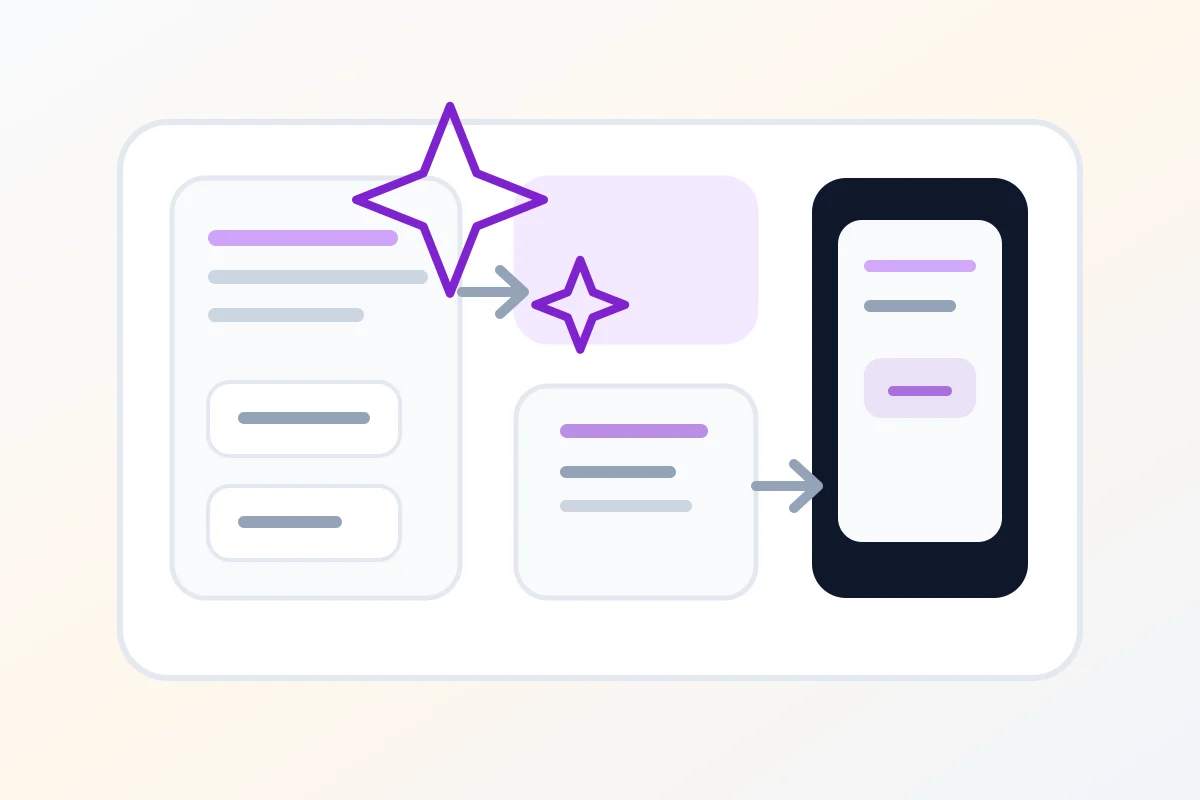
Setting up an AI guest assistant in seven steps
1
Verify the source content
Collect access, appliances, rules and contacts, then check every line yourself.
2
Write the escalation list
Safety, access, money, damage and exceptions never go to the assistant.
3
Allow "I do not know"
Configure a short honest reply when the information is not in the source.
4
Limit visible data
Property and stay details only, never contact details or amounts paid.
5
Test fifty real questions
Grade each answer accurate, incomplete, invented, or wrongly escalated.
6
Verify the human path
Simulate a lockout and confirm a real person can actually act.
7
Review weekly
Read a small sample and convert each finding into one specific fix.
When an AI assistant helps and when it harms
| Situation | Right use | Why |
|---|---|---|
| Repetitive questions out of hours | Grounded AI answer | Stable, verifiable information with no harm in slight delay. |
| Guest locked out | Immediate human escalation | The cost of an invented answer is far too high. |
| Refund or damage dispute | Human only | A contractual decision that must stay documented. |
| Guide has gaps | Fix the content first | An assistant cannot be more reliable than its source. |
| Language you do not speak | Prepared, reviewed replies | A mistranslated instruction can become a safety issue. |
Frequently asked questions about AI guest assistants
Can an AI assistant replace the host?
No. It can absorb repetitive, low-risk questions from verified content. Safety, access, money, damage and exceptions must stay human, with a named person and a backup by time of day.
How do I stop it inventing answers?
Ground it in a verified source and explicitly allow it to say it does not know. Test with questions whose answers appear nowhere: if it improvises there, it will improvise about an access code later.
What data should it be able to see?
Property information and, at most, dates and guest count. Not phone numbers, home addresses or amounts paid. Check how long conversations are retained, where, and who can read them.
Can it answer in several languages?
Yes, but decide language by language. Prepared and reviewed answers are fine anywhere; machine-translating a safety instruction or cancellation clause can distort the meaning.
How do I know whether it is helping?
Track repeated questions per stay, time to first human reply on incidents, answers corrected after sending, and problems the guest found first. Messages handled is not a quality measure.
What if it sends something wrong?
Correct it in the same thread: what was wrong, the right information, what to do now. Then fix the source and check upcoming stays that would have hit the same fault.