Tourist nights by region (2023): In 2023 the Marrakech‑Safi region recorded 7,750,496 tourist nights (regional), source: Observatoire du Tourisme via Haut‑Commissariat au Plan (Morocco in Figures 2024).
regional, 2023. View source
Import once
Turn your Airbnb or Booking.com listing into a direct booking website and guest guide.
Imlil accommodation guide
Imlil accommodation: an on‑the‑ground guide for travellers seeking mountain lodgings and trekking logistics in Morocco’s High Atlas. This guide conservatively resolves the locality as the village of Imlil (part of the Asni area) in the Marrakesh‑Safi region, and focuses on how to pick the right type of guesthouse or lodge, reach the village from Marrakech, plan Toubkal ascents, and manage practicalities such as money, transport and seasonal access. Recommendations here rely on official regional statistics (HCP), local destination guides and active accommodation listings to stay factual and verifiable.
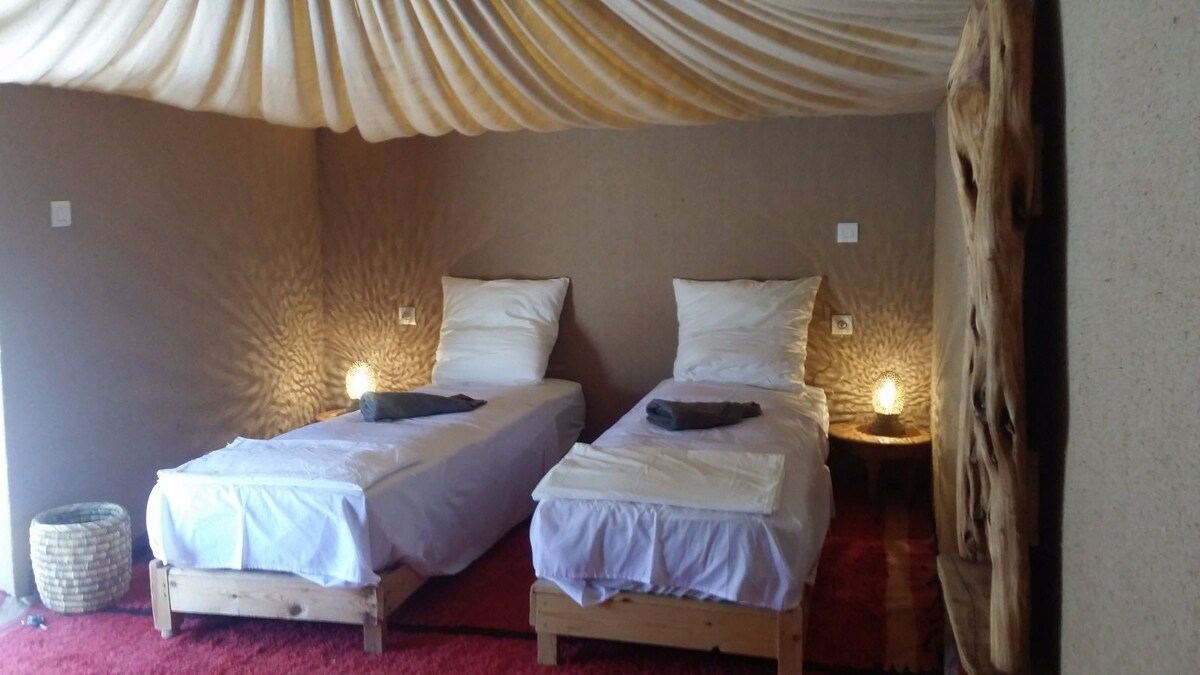
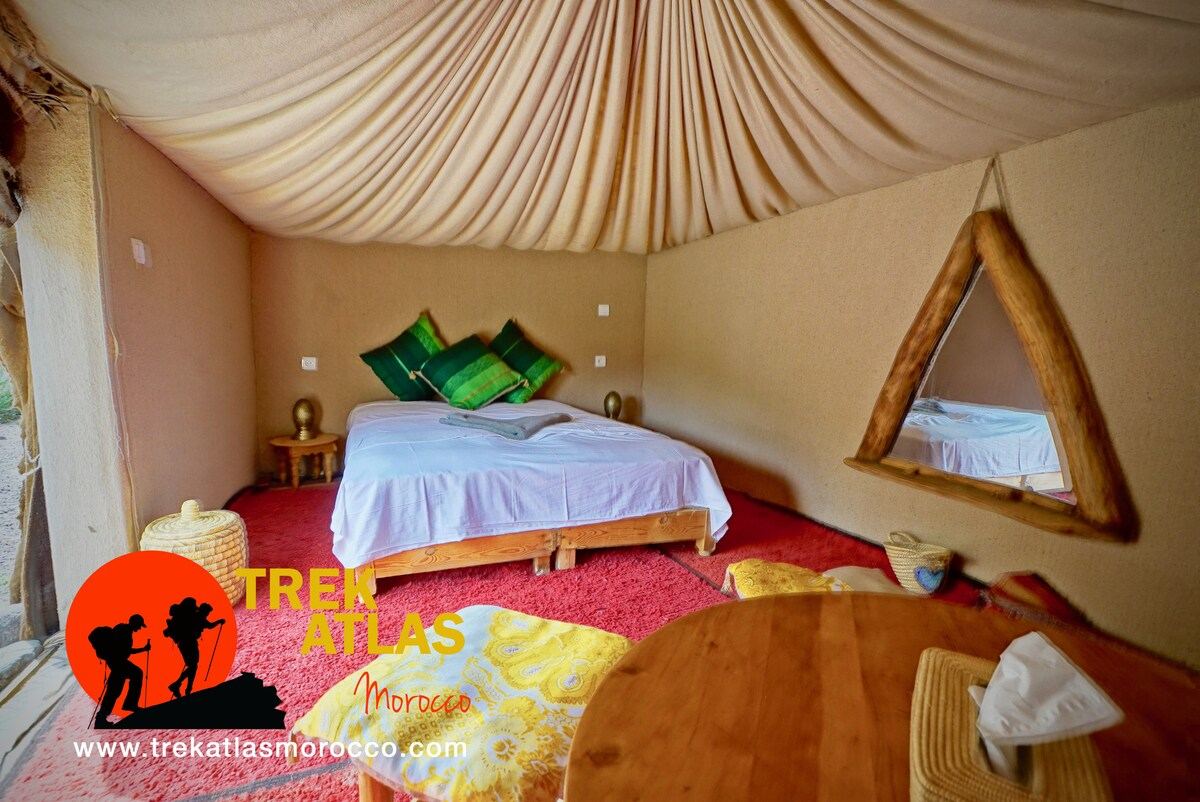
Featured real stay
Our place is located 3 km from Imlil in the village of Armed. Bivouac de la Bergerie offers a sun terrace and is set in Imlil. Rent a donkey to start hiking, which is 1.3 km away. Free private parking is available on site, and bed linen is provided. Bivouac de la Bergerie also includes a traditional hammam. Guests can enjoy the on-site restaurant with a…
Indicative price from €150 per night. Verify dates, fees, currency and terms on the property website.
Imlil is the small mountain village that functions as the principal gateway for trekking in Morocco’s High Atlas, especially for ascents of Mount Toubkal (4,167 m). For travelers prioritising access to the mountains, local culture and short hikes, staying overnight in Imlil removes long daily transfers from Marrakech and gives immediate access to guides, mule services and acclimatisation time.
Imlil’s lodging stock is compact and focused on guesthouses (gîtes) and mountain lodges that cater to hikers—expect friendly, family-run accommodation rather than large hotels. For many visitors the benefit is logistical: guides and mule hire are commonly arranged by accommodation providers, and walking straight onto trails from your door is a real convenience.
If your trip is Marrakech‑centric, Imlil also works for a 1–2 night excursion (day hikes, village walks, dining locally) but for summit attempts of Toubkal plan to stay longer. Confirm transport times and transfer arrangements with your host, and note that services in the village are modest compared with Marrakech—bring necessary supplies and cash for local transactions.
Imlil is a mountain village in the High Atlas contained within the administrative area of the Asni commune, part of the Marrakesh‑Safi region. It sits at roughly 1,740 metres elevation at the head of a steep valley and is considered the main mountain‑tourism hub for the Toubkal massif. Official regional publications and local guides identify Imlil as a trailhead village rather than an autonomous urban centre; plan accordingly for limited municipal services compared with Marrakesh. (See Haut‑Commissariat au Plan regional brief.)
Geographically Imlil occupies a narrow valley with several hamlets and farmsteads clustered along the river and rising terraces. The village’s streets are short and often unpaved; many accommodation properties lie along stepped paths that lead to higher trail junctions. The village functions as both a living agricultural community and a tourism base, so visitors should expect a working mountain landscape rather than resort-style infrastructure.
Because Imlil is within the Asni/Imlil valley, official mapping and many accommodation listings show addresses as Douar Tamatert or Douar Samra — naming varies. Use the village name Imlil when discussing accommodation and transfers; confirm exact pick‑up points with your host to avoid confusion.
The majority of lodging in Imlil are small guesthouses and gîtes with 6–20 beds, often family‑run and designed to support trekkers: en-suite or shared bathrooms, mountaineering-friendly meals, and storage for kit. These properties focus on comfort suited to hikers—hot meals, drying space, and connections to local guides. Online listings on major booking platforms list dozens of these small properties under Imlil. (See Booking.com and TripAdvisor listings.)
A handful of higher‑end lodges and boutique properties sit above the village on terraces and offer larger common areas, panoramic views and organised guided itineraries. These are fewer in number but can provide transfers, full‑board options and guided services. They are the best option if you prefer a more consolidated service for multi‑day treks. Examples include a small number of lodges that highlight trekking packages and transfers to Marrakech.
Seasonal and specialist options: winter and spring can see mountain refuges and basic shepherd lodges used by trekkers as intermediate stays. If you plan winter mountaineering, verify that your chosen property is open in the season and can supply qualified guides and winter equipment or recommend providers who can.
Most visitors approach Imlil from Marrakesh. The direct road distance from Marrakesh city centre to Imlil is approximately 64 km (40 miles) by road; travel time depends on road conditions and stops but commonly ranges around 1–1.5 hours by private transfer. For exact regional transport context, the Marrakesh‑Safi region is the national tourism hub and has strong connectivity through Marrakech Menara airport, but Imlil itself has no rail or scheduled intercity bus station. (See AtlasPeaks guide.)
Public options: shared grand‑taxis leave Marrakech for Asni and sometimes for Imlil; from Asni visitors transfer to local grand‑taxis or arrange a short local taxi to Imlil. Grand‑taxi schedules and availability are informal—expect to wait for a vehicle to fill and for pricing to be per‑taxi rather than per‑seat. For fixed arrival times, a pre-booked private transfer or hotel-arranged shuttle is recommended.
Practical transfer tips: if you arrive late in Marrakech or have heavy kit, book a private transfer; confirm the exact drop‑off point in Imlil with your host — some properties are uphill on footpaths. Also check road conditions in winter and after heavy rain; higher parts of the valley can be affected by runoff. Several lodges list transfer services on their websites and provide fixed‑price pickups from Marrakesh.
Imlil is a generally safe destination for independent travellers but it’s a mountainous environment — risks are environmental rather than criminal. Weather changes can be sudden; in winter there’s snow above the village and some trekking routes become technical. For mountain safety, use licensed guides for summit attempts, carry appropriate footwear and clothing, and allow time for acclimatisation before high ascents.
Medical services in Imlil are limited to basic care; for anything beyond first aid you’ll need to travel to Asni or return to Marrakesh. If you have a medical condition, bring necessary medication and a small first‑aid kit. Mobile signal can be patchy; download offline maps and share your itinerary with someone in Marrakech before you go.
Respect local customs: Imlil is a Berber community with customary local practices. Dress modestly in public areas, ask permission before photographing people, and respect private agricultural areas. Tipping is appreciated for guides, drivers and hospitality staff—confirm customary amounts with your host or guide.
Most Toubkal ascents start in Imlil; local guesthouses routinely connect visitors with licensed mountain guides and mule handlers. Guides typically handle route planning, permits, accommodation on ascent nights (refuge or gîte), and safety; costs and inclusions vary widely so obtain a clear written itinerary and pricing before departure.
Mule and porter hire is common for carrying luggage and camping equipment to higher camps; mules are managed by experienced handlers familiar with the high‑altitude tracks. If you plan to hire mules, specify weight and equipment limits, and confirm who carries the guide’s kit and your personal daypack. Guesthouses often bundle guide plus mule services for convenience.
Summit considerations: Mount Toubkal is 4,167 m — altitude and weather are the main limiting factors. Allow at least two full days from Imlil for a standard ascent and descent; many itineraries include an extra night for acclimatisation. In winter the route can be snow‑covered and require crampons, ice axe and a winter‑rated guide. Confirm rescue procedures and insurance coverage for mountaineering activities before you travel.
Book accommodation and transfers in peak seasons (spring, autumn, and holiday periods) in advance; many Imlil guesthouses are small with limited rooms. Check the property’s stated services: transfers, meals, guide arrangements and baggage handling are not always included and may be priced separately. Use reputable booking platforms or direct contact for confirmation and receipts.
Packing and gear: bring layered clothing for large day–night swings, sturdy hiking boots, a daypack, sun protection and a water‑filter bottle or water purification tablets. Many guesthouses provide blankets and hot water, but if you plan high-altitude trekking bring a down jacket and appropriate sleeping layer.
Money and communications: cash (Moroccan dirham) is preferred for local payments; there are no large bank branches in Imlil and ATMs may be unavailable or unreliable. Confirm mobile coverage and Wi‑Fi availability with your host; while many places offer some connectivity, speeds can be slow, and power outages can occur.
Short hikes around Imlil valley are rewarding without committing to a multi‑day climb: village walks to nearby Berber hamlets, visits to local artisan cooperatives, and short treks to nearby waterfalls and viewpoints. These are suitable for travelers of modest fitness and are commonly organised as half‑day excursions by local guesthouses.
Cultural experiences: some guesthouses host traditional meals, mint‑tea ceremonies and demonstrations of local crafts. Visiting respectfully with a local guide adds cultural context and supports community incomes; many guides are native to the valley and can provide translations and introductions to daily life.
Day trips from Imlil: Asni’s weekly market (souk) and the surrounding Azzaden and Tahanout valleys offer different mountain scenery and quieter trails. For a more urban contrast, a day trip back to Marrakech’s medina and Jardin Majorelle is common for visitors who combine city and mountain stays. Confirm timings with your host when planning return transfers.
regional, 2023. View source
regional, 2023. View source
These are source-attributed themes summarized across current public travel and accommodation material—not Host-Pilot reviews, ratings or testimonials.
Multiple accommodation listings and lodge websites note that guesthouses and lodges in Imlil commonly act as the local booking point for guides, mule/porter hire and transfers — travellers consistently rely on their host for mountain logistics rather than sourcing these services separately.
Online listings and local directories show Imlil’s lodging is primarily small guesthouses and gîtes rather than large hotels; this produces a personal, communal hospitality experience but also means limited rooms and variable amenities.
Transport guides and some lodge transfer pages describe grand‑taxis and shared vehicles as the budget option, but note schedules are informal. For set arrival or departure times most accommodation providers advise booking a private transfer in advance.
Imlil offers a compact but varied lodging scene: small family-run guesthouses (gîtes), mountain lodges and boutique riads adapted for hikers, and a few higher-end lodges perched above the village. Many places provide simple backpacks-and-breakfast rooms with local meals and luggage storage for Toubkal treks, while several larger properties organise guided hikes, mule support and transfers from Marrakech. Availability and services vary seasonally, so confirm transport and trek arrangements with your host before arrival.
The common routes are private transfer, organised shuttle, or public grand-taxi via Asni. The road distance is about 64 km (40 miles) from central Marrakech to Imlil; a private transfer usually takes roughly 1–1.5 hours depending on traffic and road conditions. Shared grand-taxis drop at Asni (then you change to a local taxi or another grand-taxi to Imlil). Book transfers in advance if you arrive late or travel in peak season.
Yes. Imlil is the primary trailhead for Mount Toubkal (4,167 m) and the majority of independent or guided ascents start from the village. Many guesthouses and lodges in Imlil offer logistics—local guides, mule hire and multi-day packages—so staying in Imlil reduces early-morning transfers and gives time to acclimatise before the climb.
Late spring (May–June) and autumn (September–October) are the most reliable seasons for high-elevation trekking: daytime temperatures are comfortable and the trails are generally clear of deep snow. Winter (December–March) brings cold and significant snow at higher altitudes; some lodges stay open but access and summit attempts become technical and require winter gear and experienced guides.
Imlil is a small mountain village with basic services: several guesthouses provide hot showers, Wi‑Fi in common areas, and packed lunches for treks. Medical and hardware supplies are limited; for anything urgent travellers go to Asni or Marrakech. Cash is preferred in local shops and for taxis; there are no major bank branches in the village. Confirm power/charging options with your host if you depend on devices.
There is no direct train to Imlil. Regional bus services run to Asni and Marrakech; from Asni you can catch a local grand‑taxi to Imlil. Public transport schedules are irregular and seasonal—arrange a private transfer if you require fixed arrival/departure times.
Imlil lies at roughly 1,740 metres (about 5,710 ft) above sea level. Most visitors acclimatise without issues, but if you plan to ascend Mount Toubkal (4,167 m) over a short period, follow standard altitude advice: ascend gradually, stay hydrated, and consider spending an extra night in Imlil before higher camps.
Yes. Many local operators and guesthouses arrange licensed guides, mule/porter hire and multi-day Treks to Toubkal and surrounding valleys. Services range from simple logistics for independent hikers to full guided ascents with accommodation in mountain refuges. Always check credentials, pricing, and what’s included before committing.
Reviewed 2026-09-10. Current schedules, access and prices should be verified at the source.