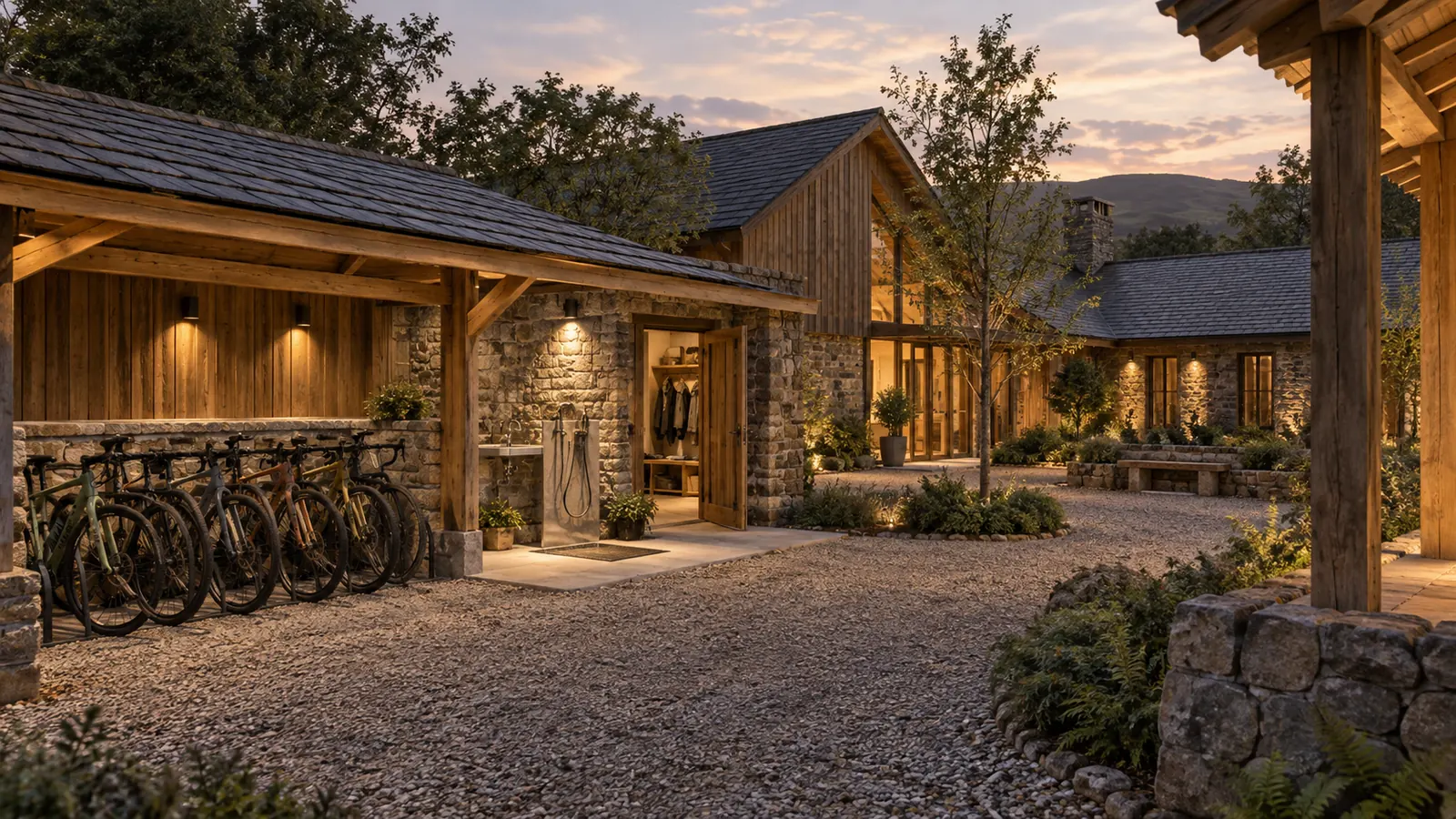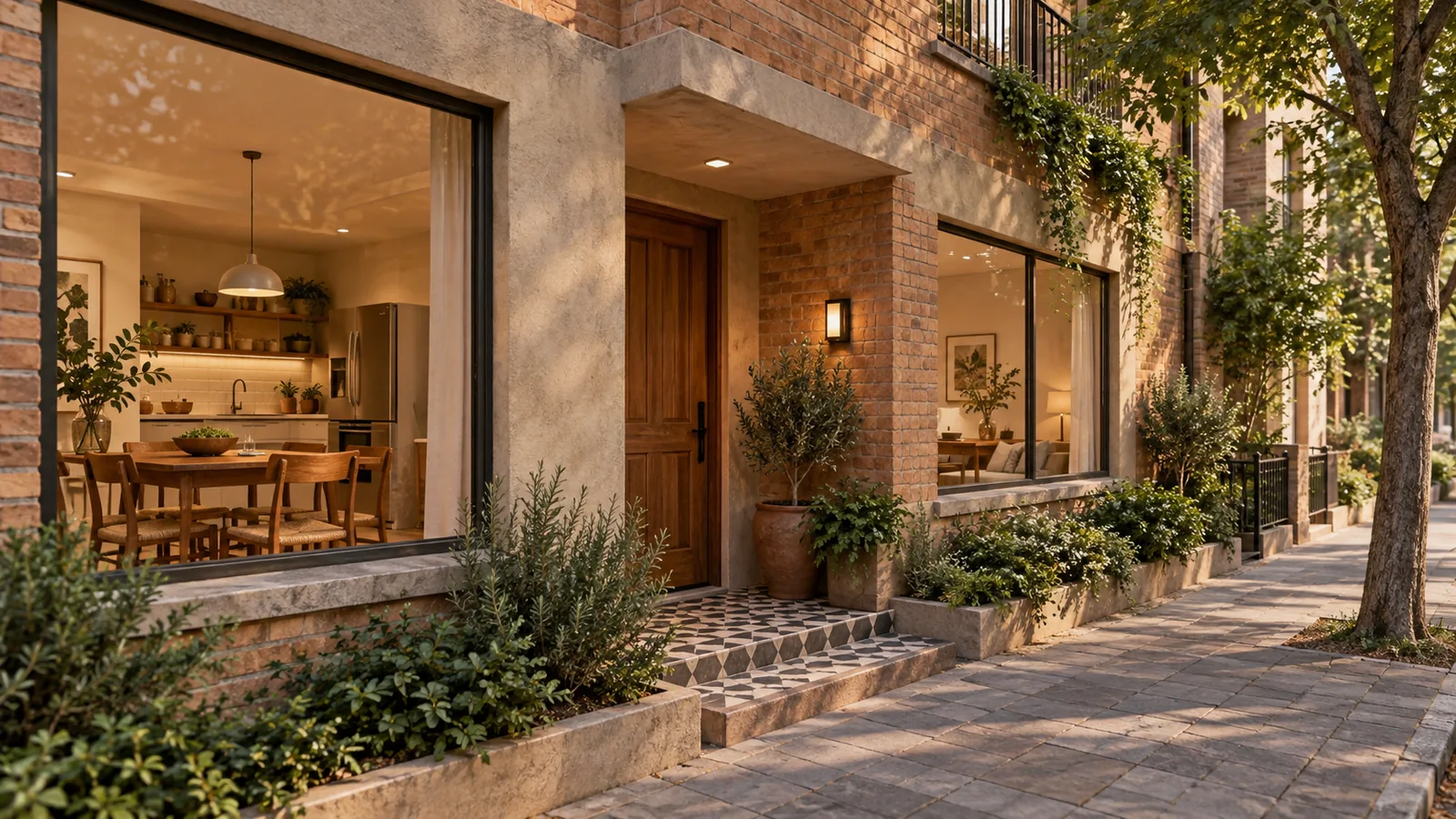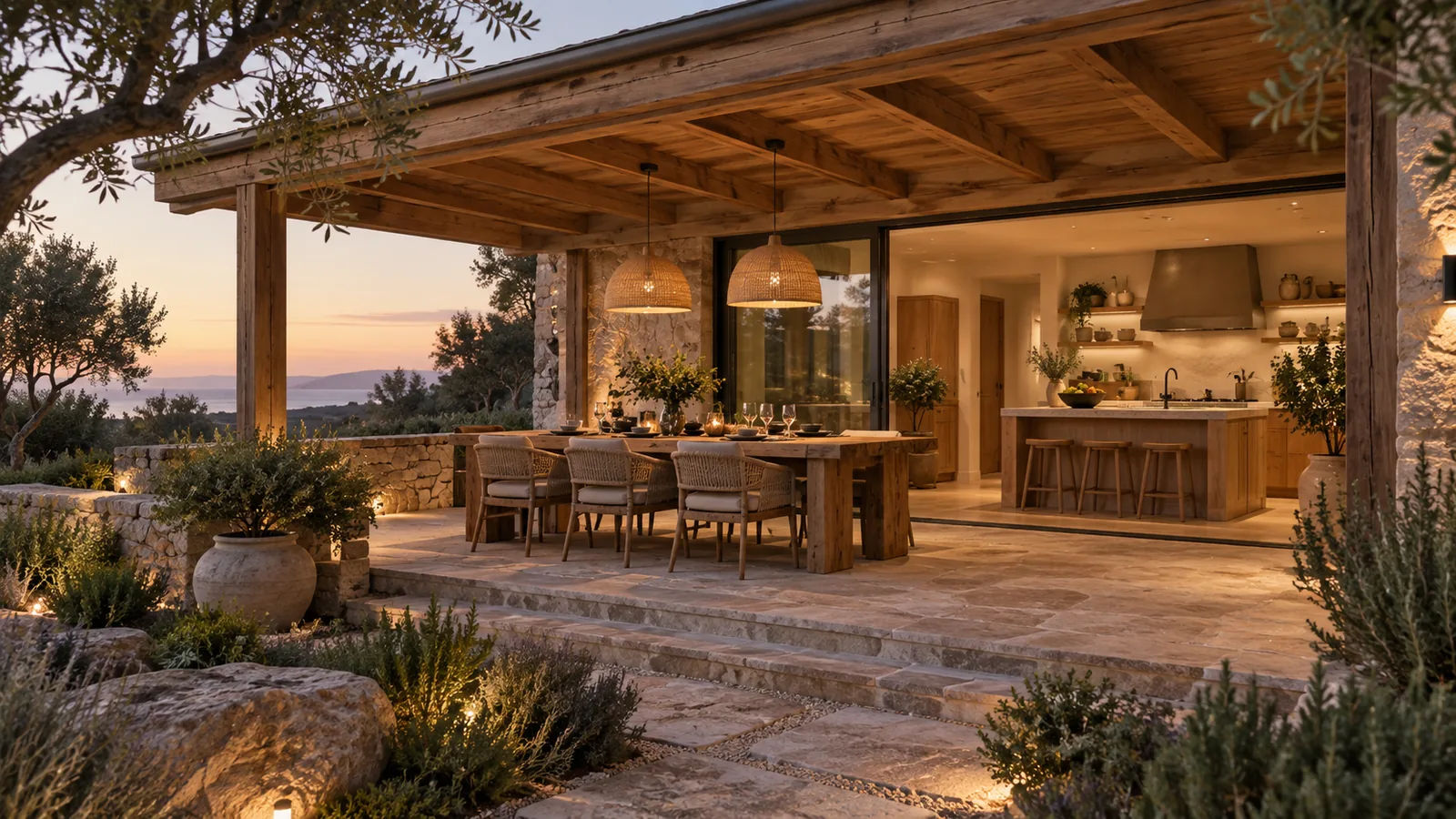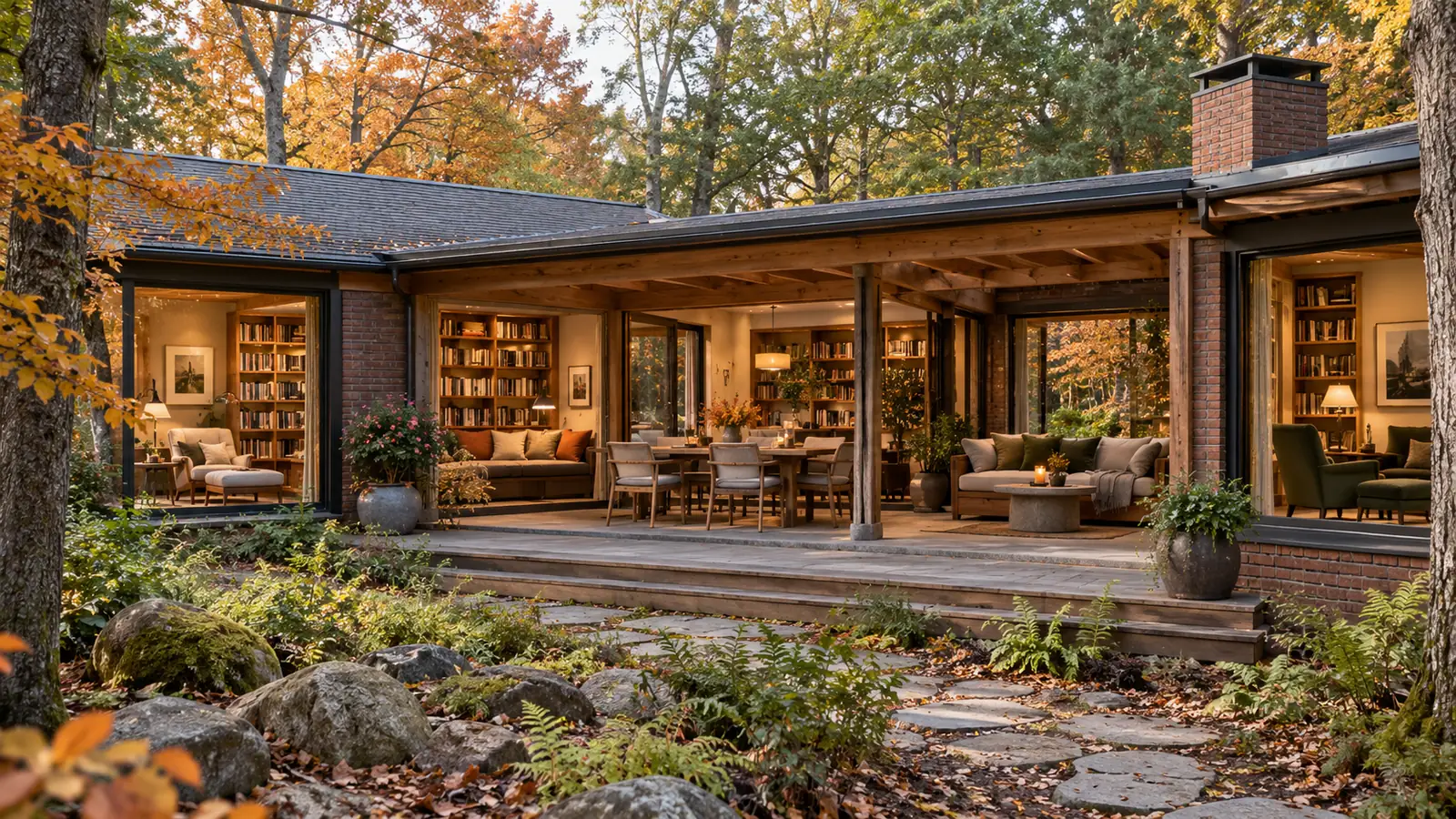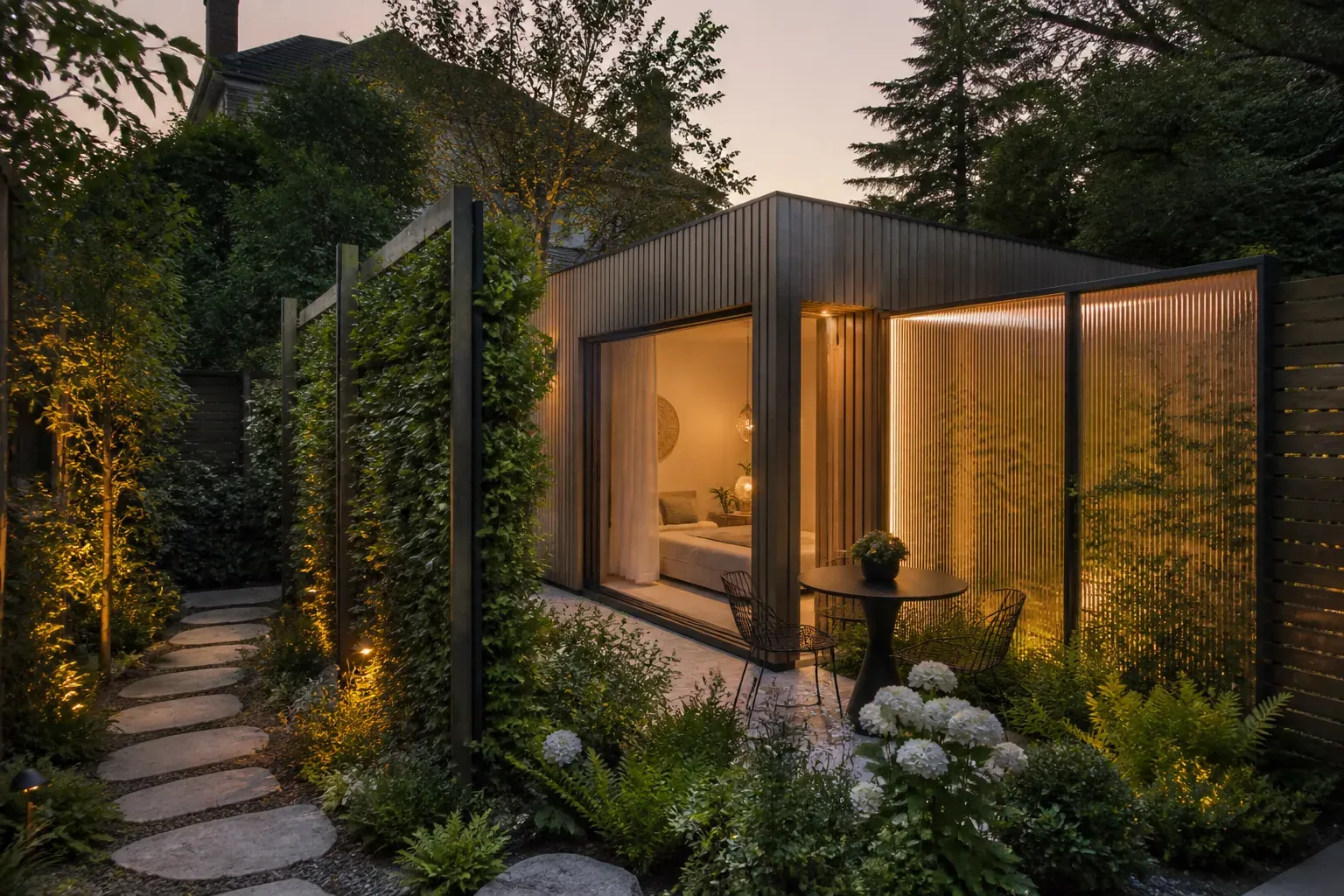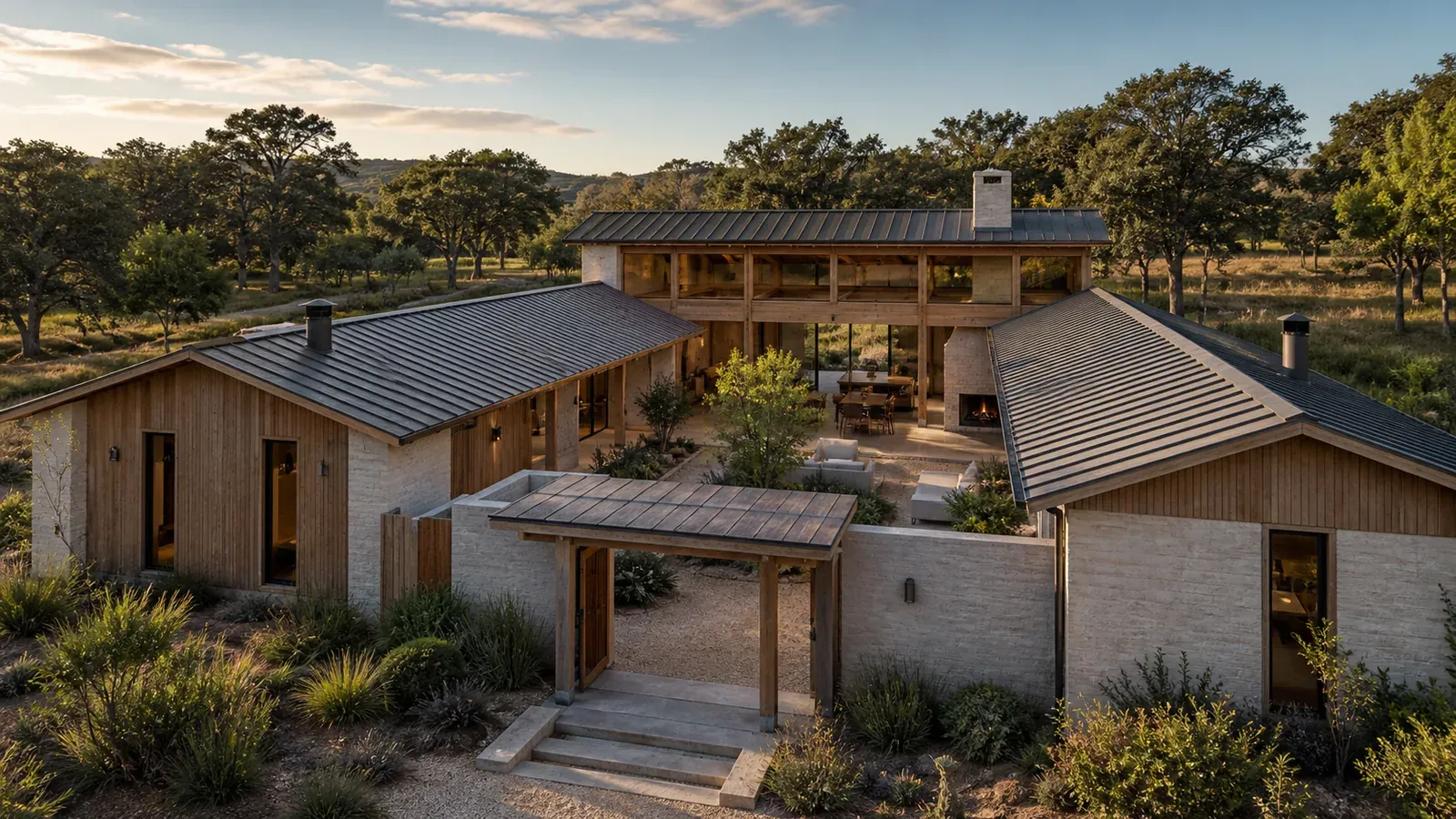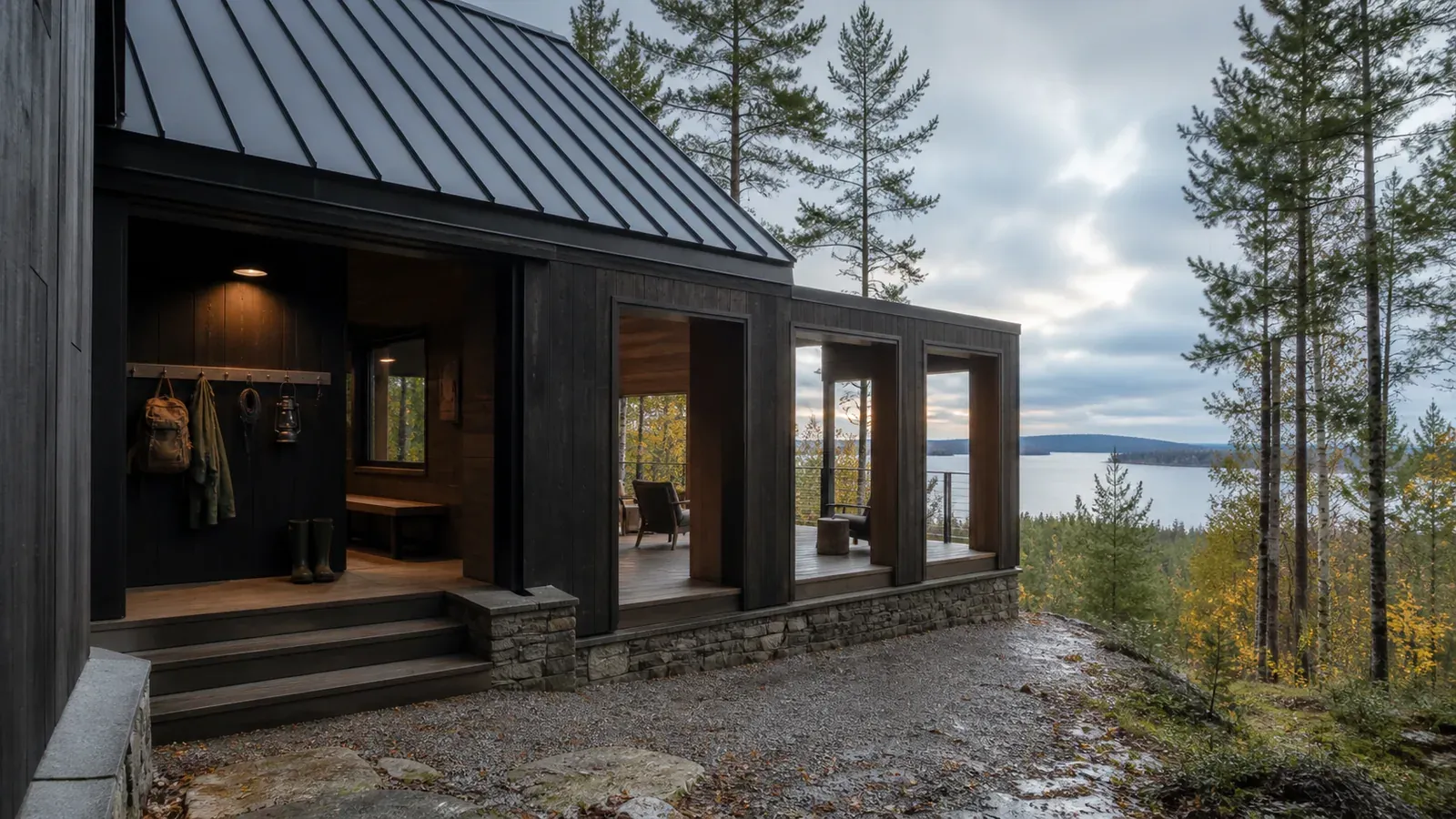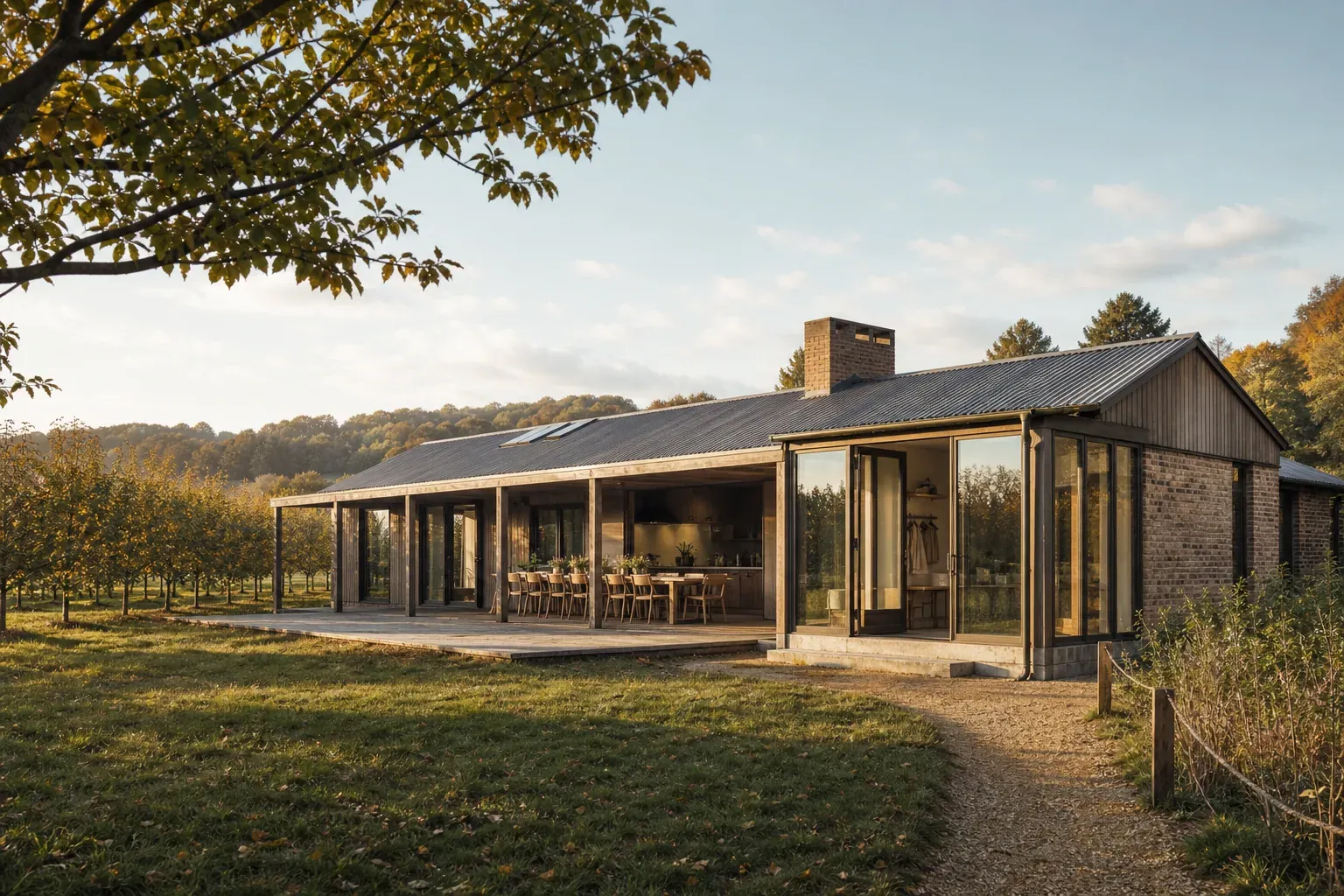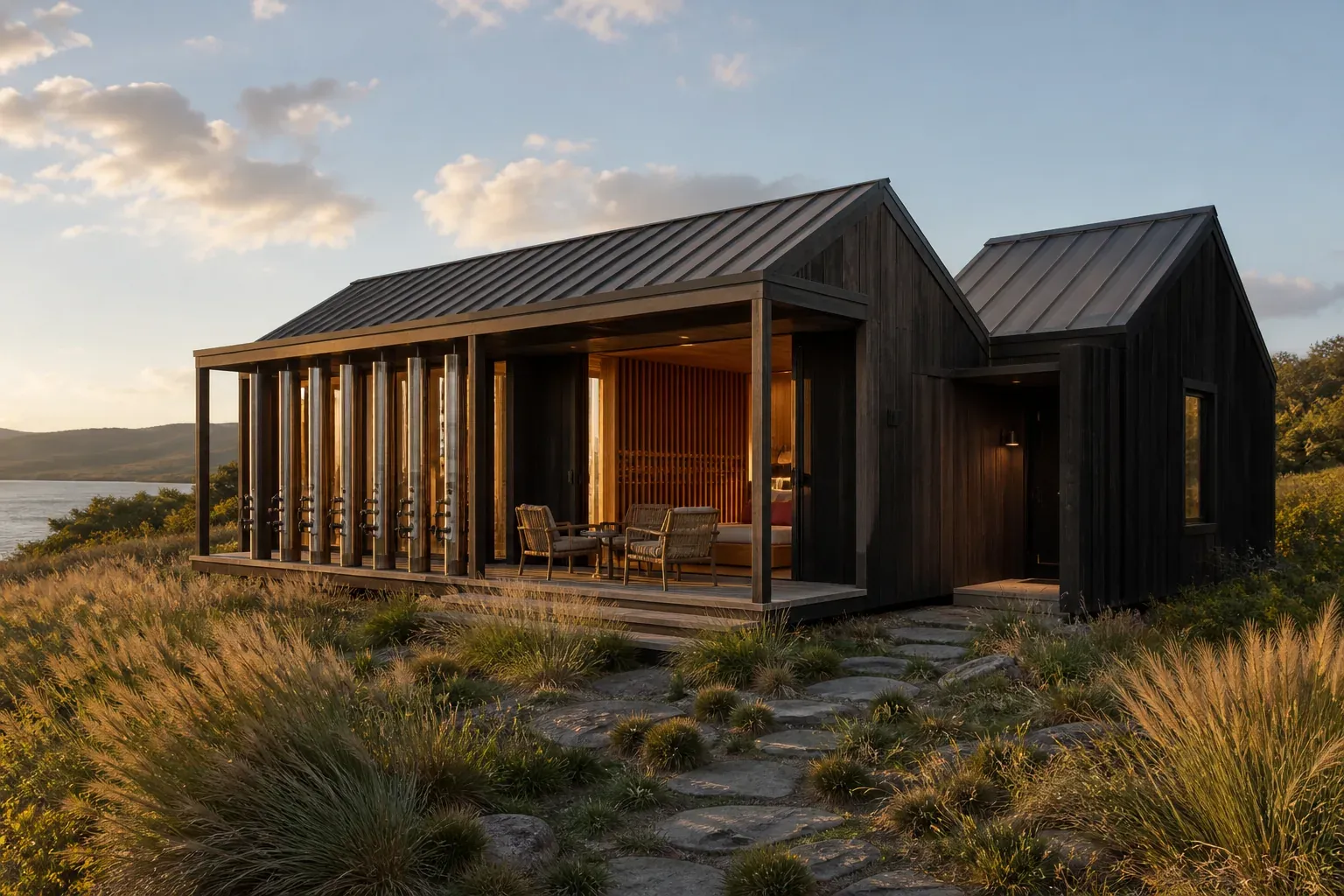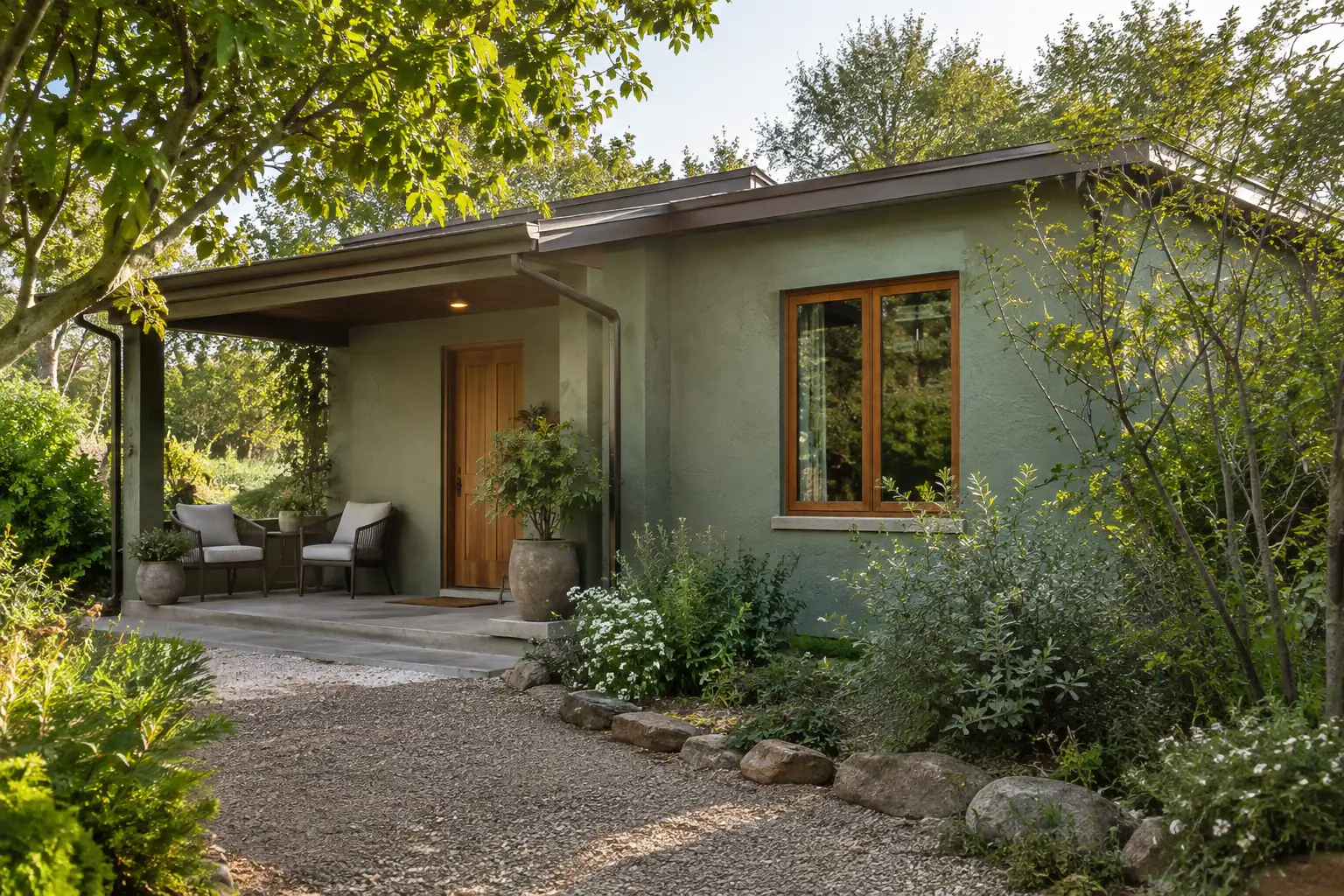
AI inspiration for hosts
Host-Pilot Concepts — Vacation Rental Ideas
Original AI vacation-rental concepts for hosts, future hosts, landowners and STR investors. Every concept is clearly fictional.
Concepts are not real or bookable properties.
Latest concepts
Loading the curated collection…
What these concepts are
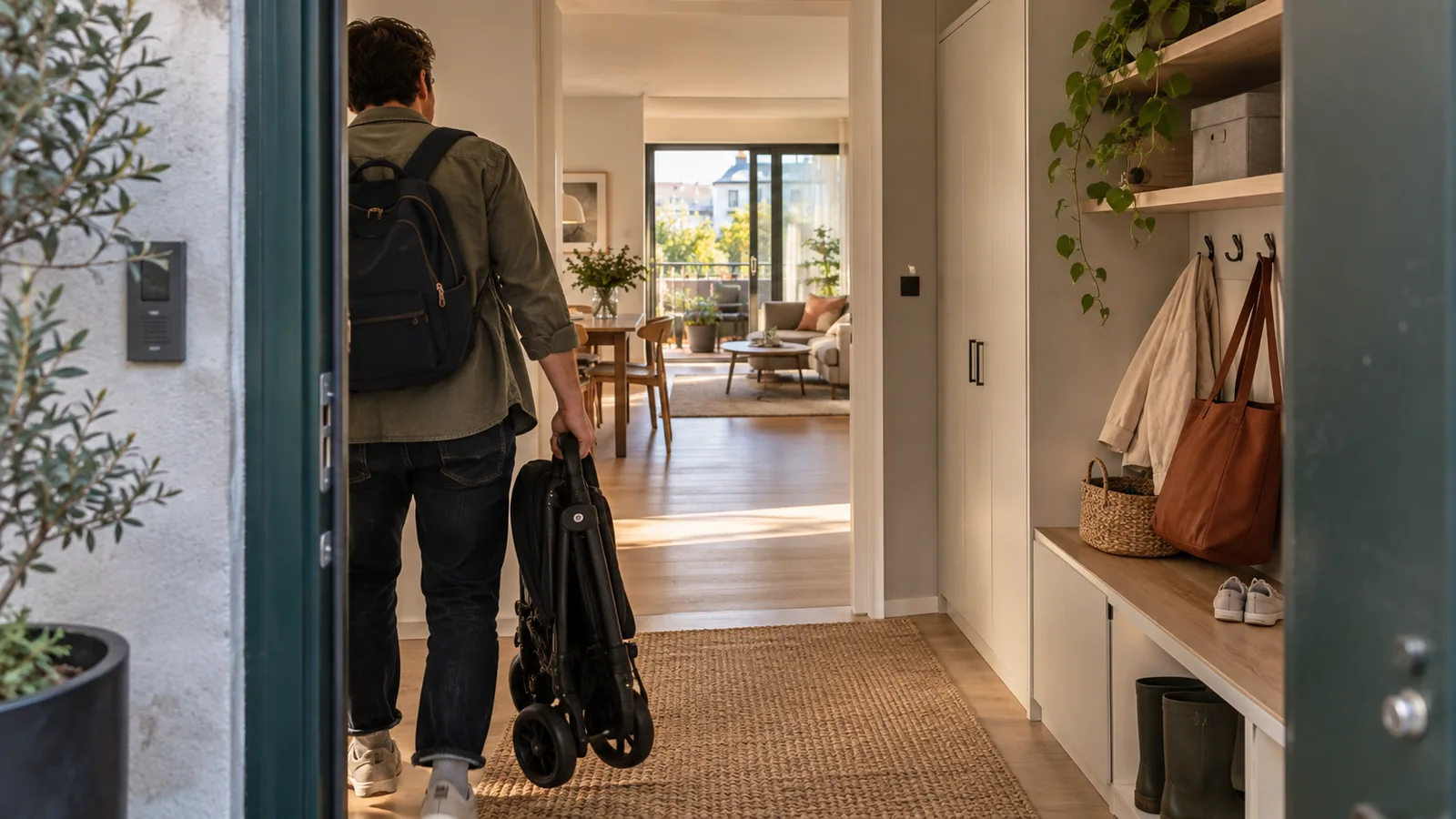
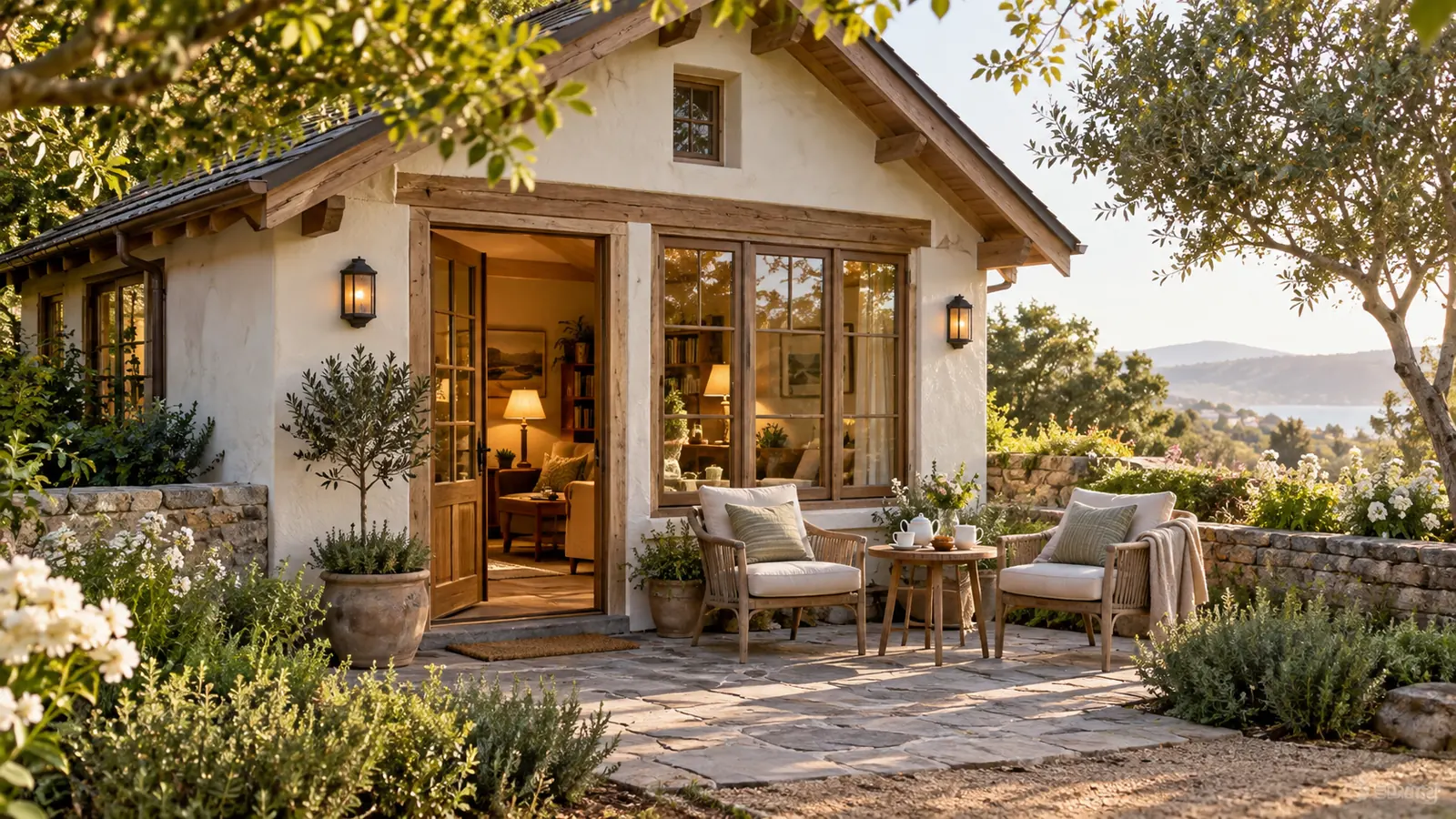
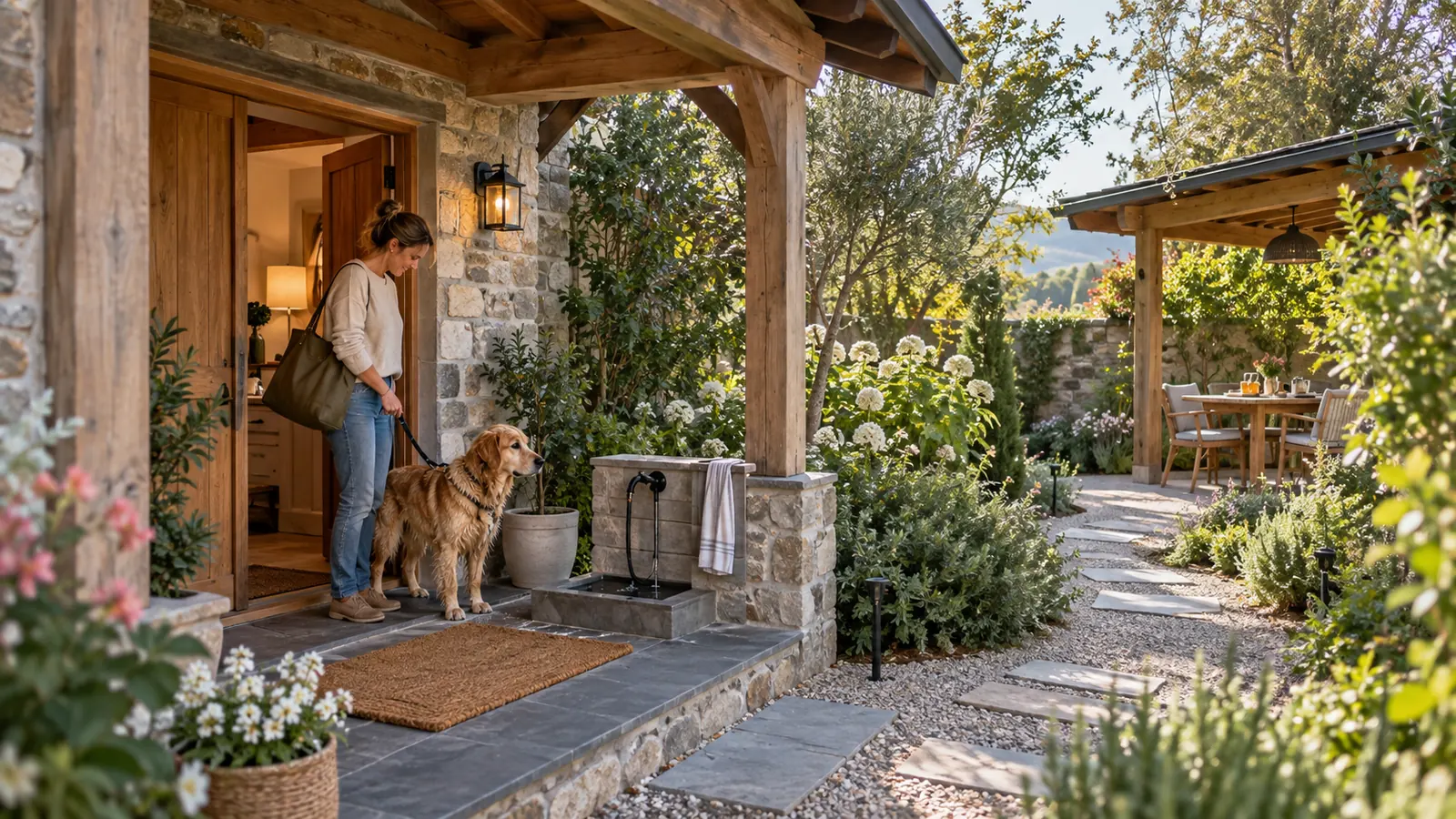
Each concept is an original creative direction: identity, target guest, setting, signature feature and an example digital property experience. It is inspiration—not an address, listing, review, availability claim, architectural drawing or engineering plan.
Built with the real Host-Pilot engine
The property experience uses the same direct-booking website engine Host-Pilot creates from a host’s listing URL. Already operate a real stay? Generate your website and guest guide, then edit and run it from your own Host-Pilot account.
Paste your listing URLVacation-rental ideas you can explore as experiences
Host-Pilot Concepts turns a hospitality idea into something more tangible than a mood board. Each concept combines a name, target guest, ideal environment, design direction, signature feature, imagined amenities, guest journey and a premium digital property experience. The concept then runs through the same Host-Pilot direct-website renderer used by real properties. That makes it easier for a future host, landowner or short-term-rental investor to judge whether the positioning is coherent before committing to a real project.
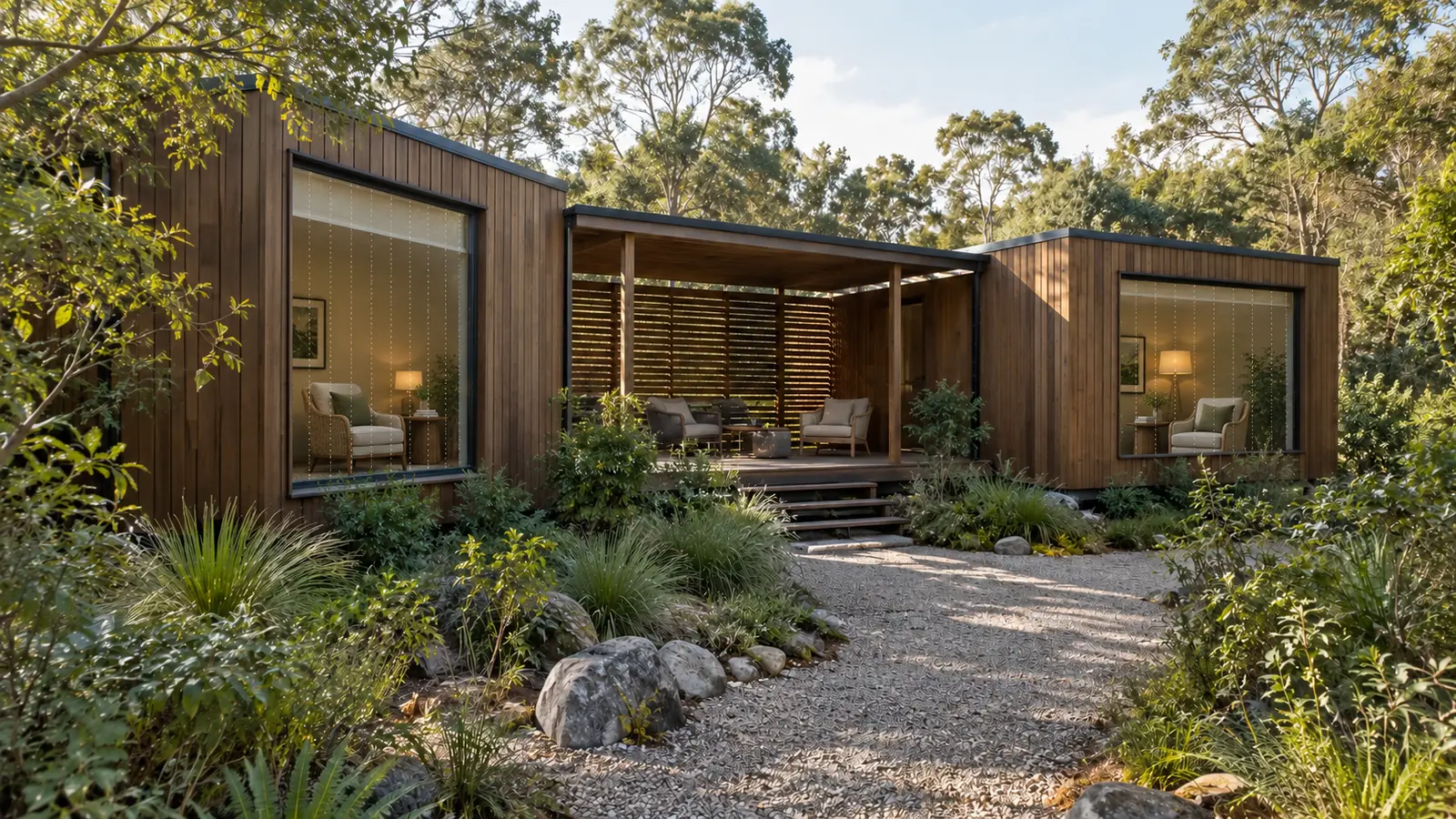
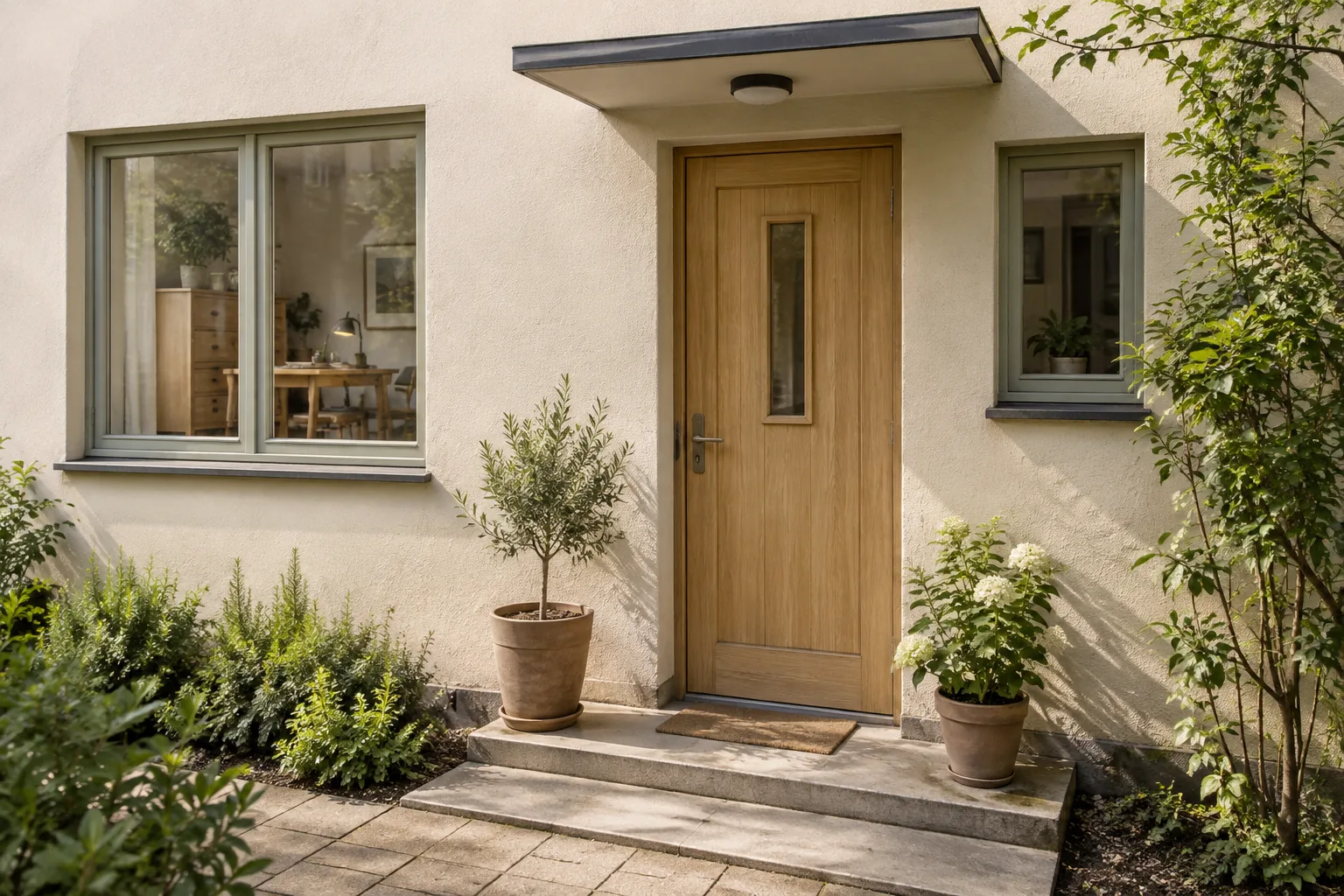
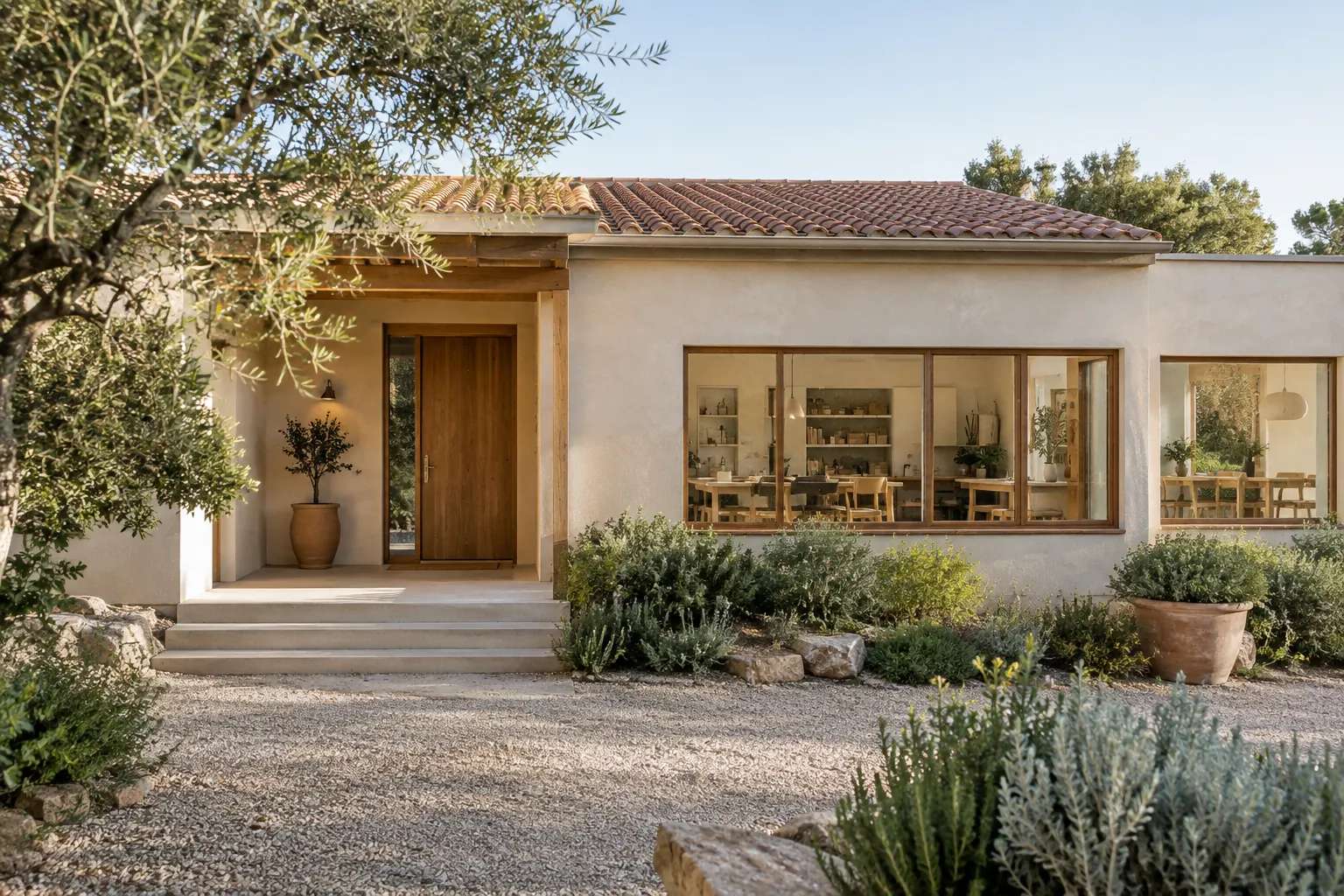
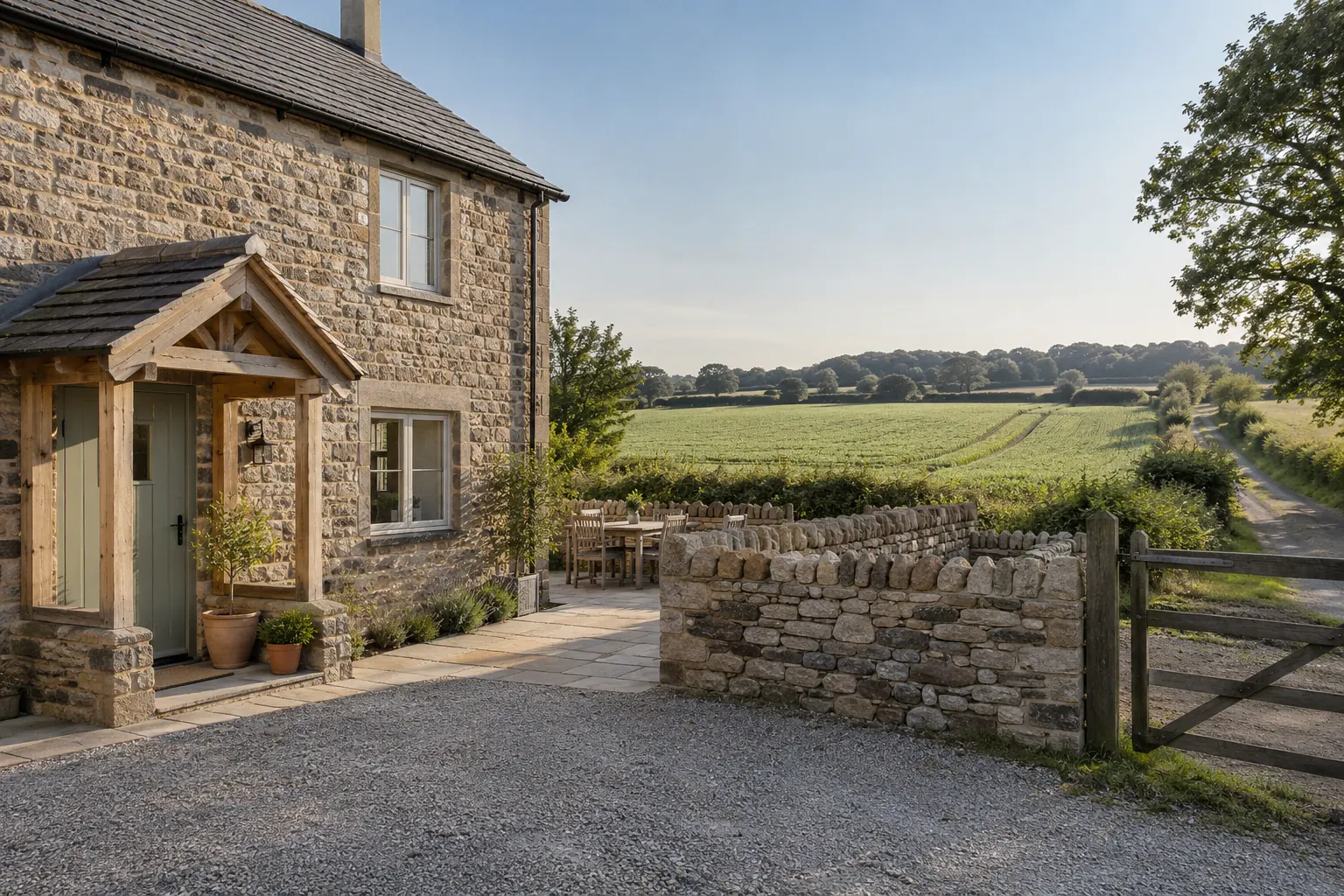
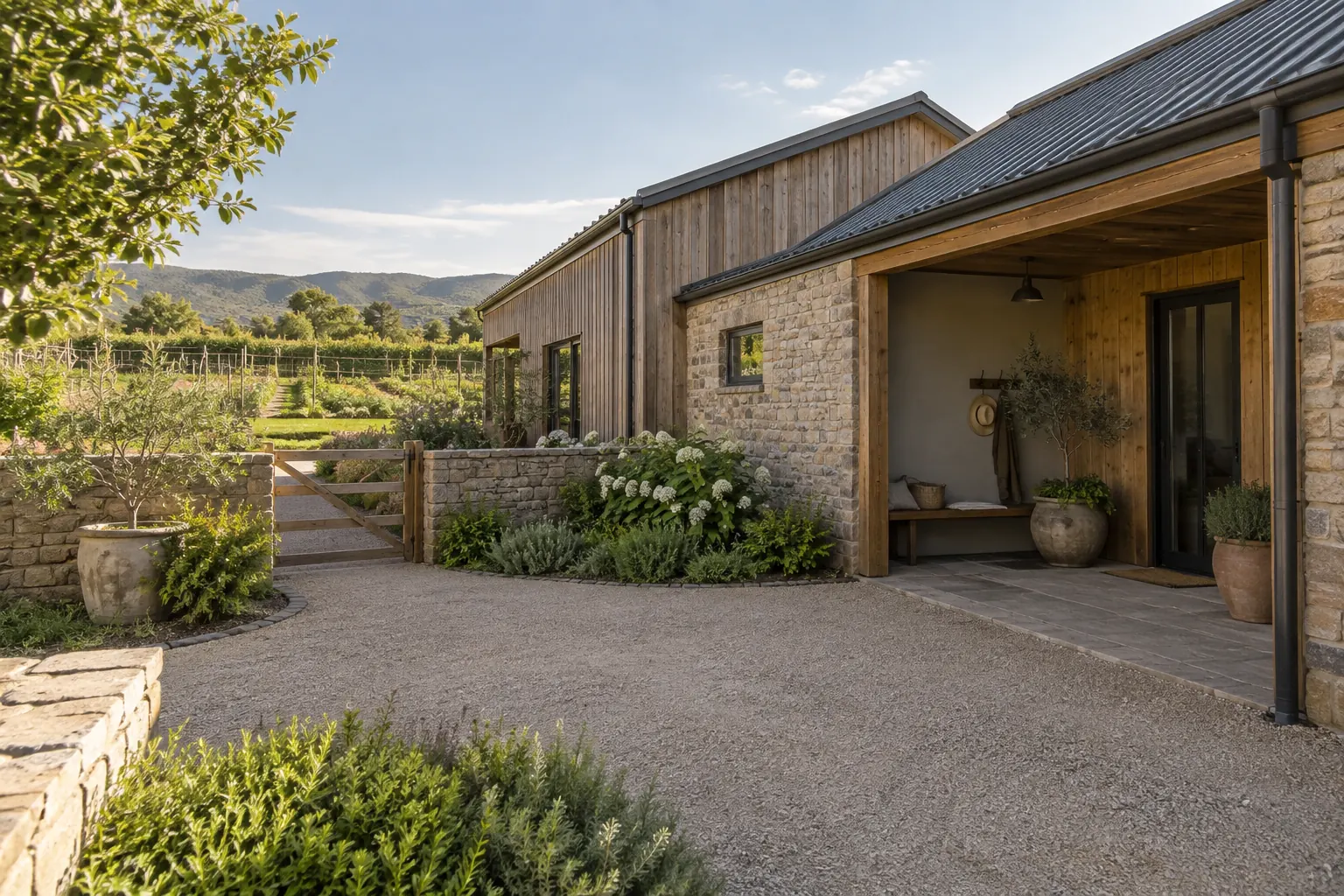
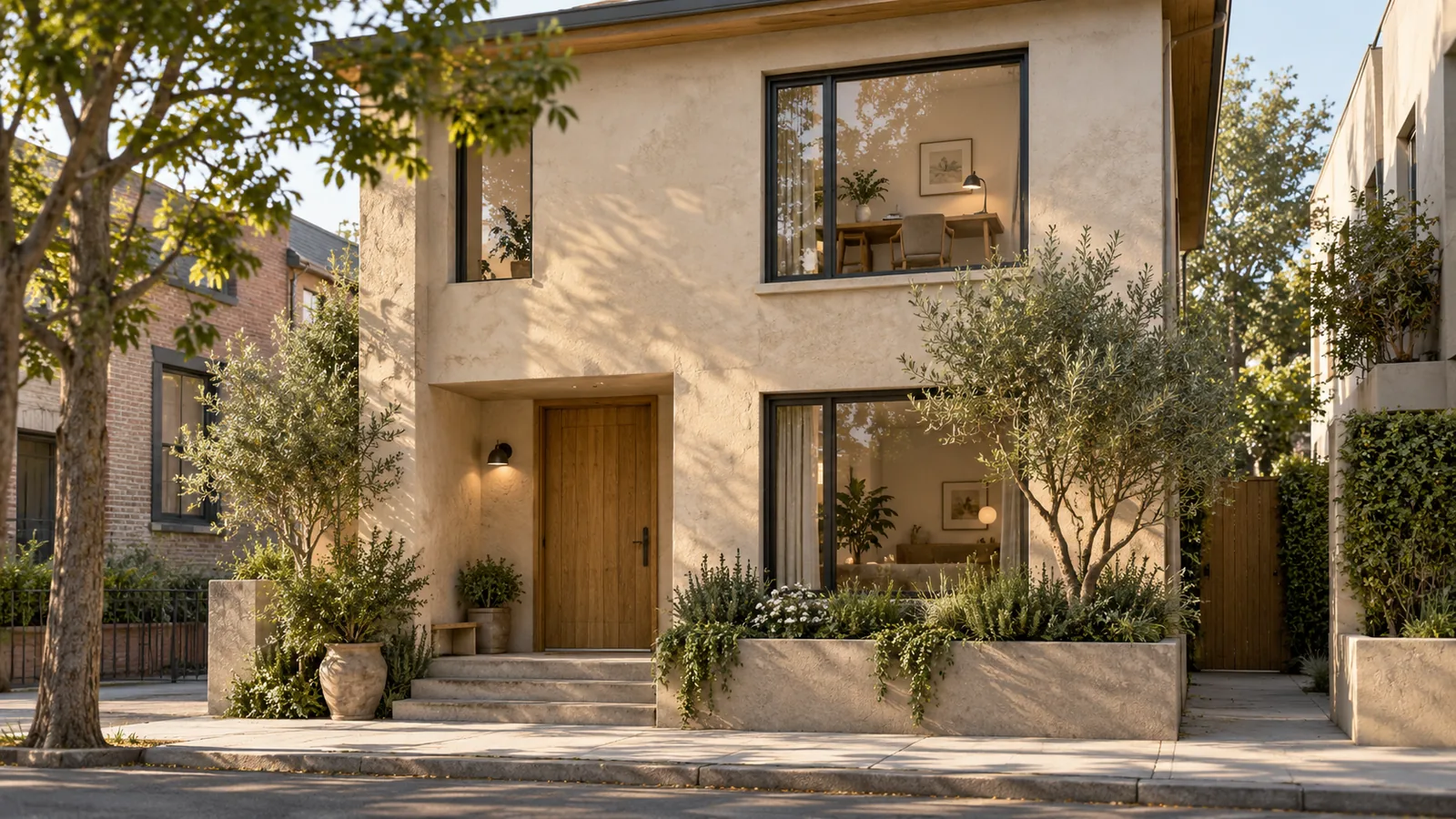
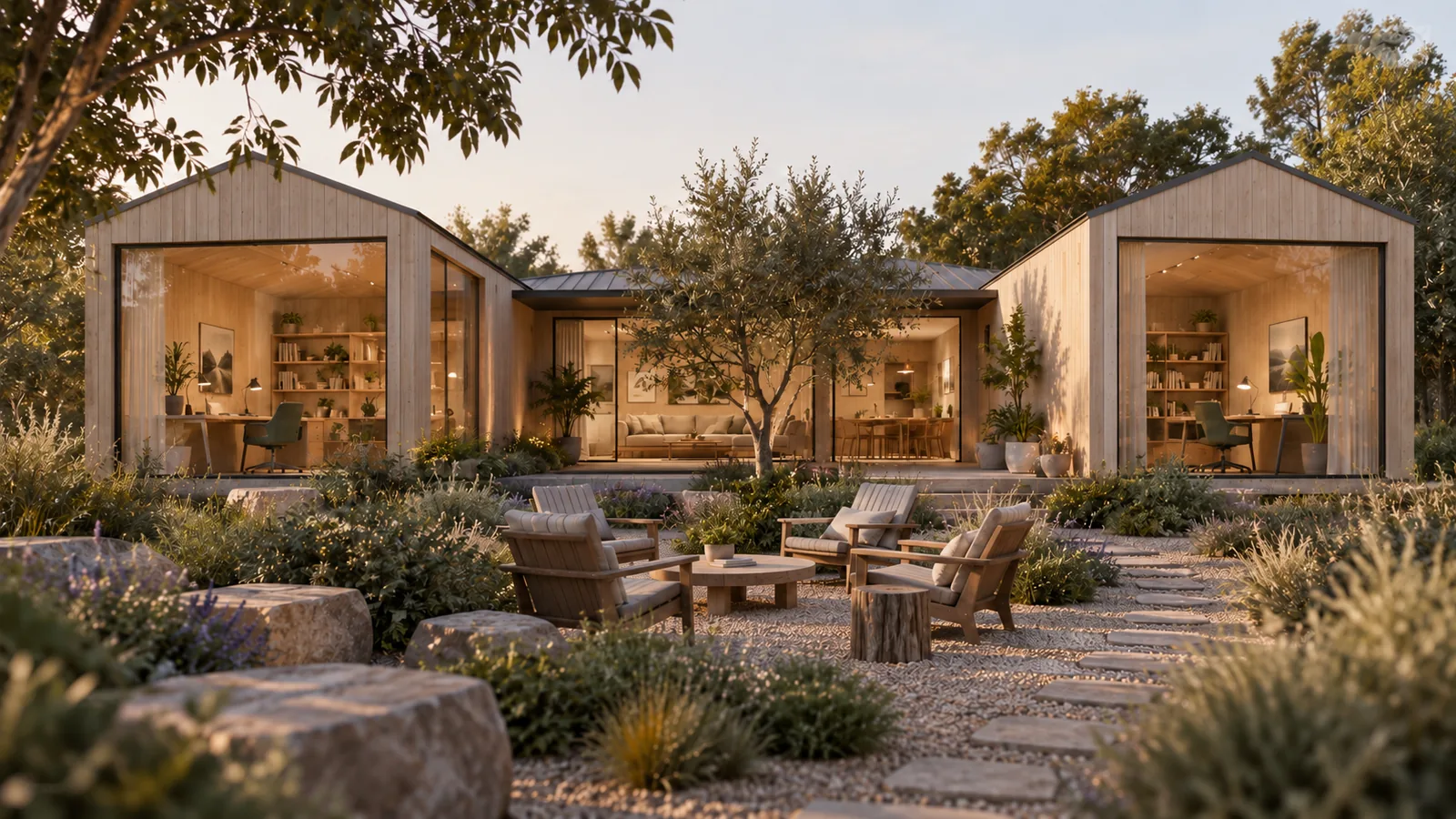
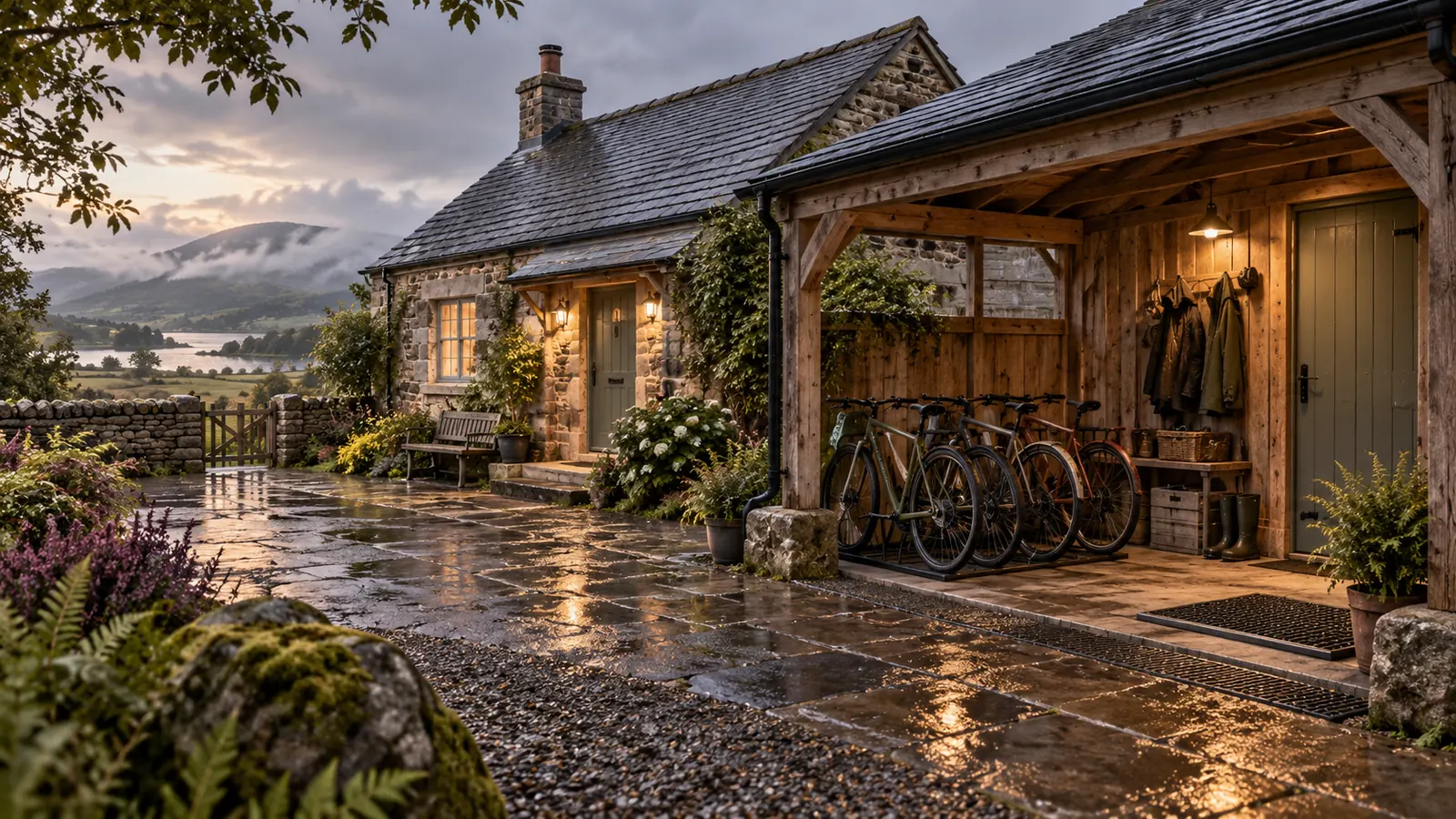
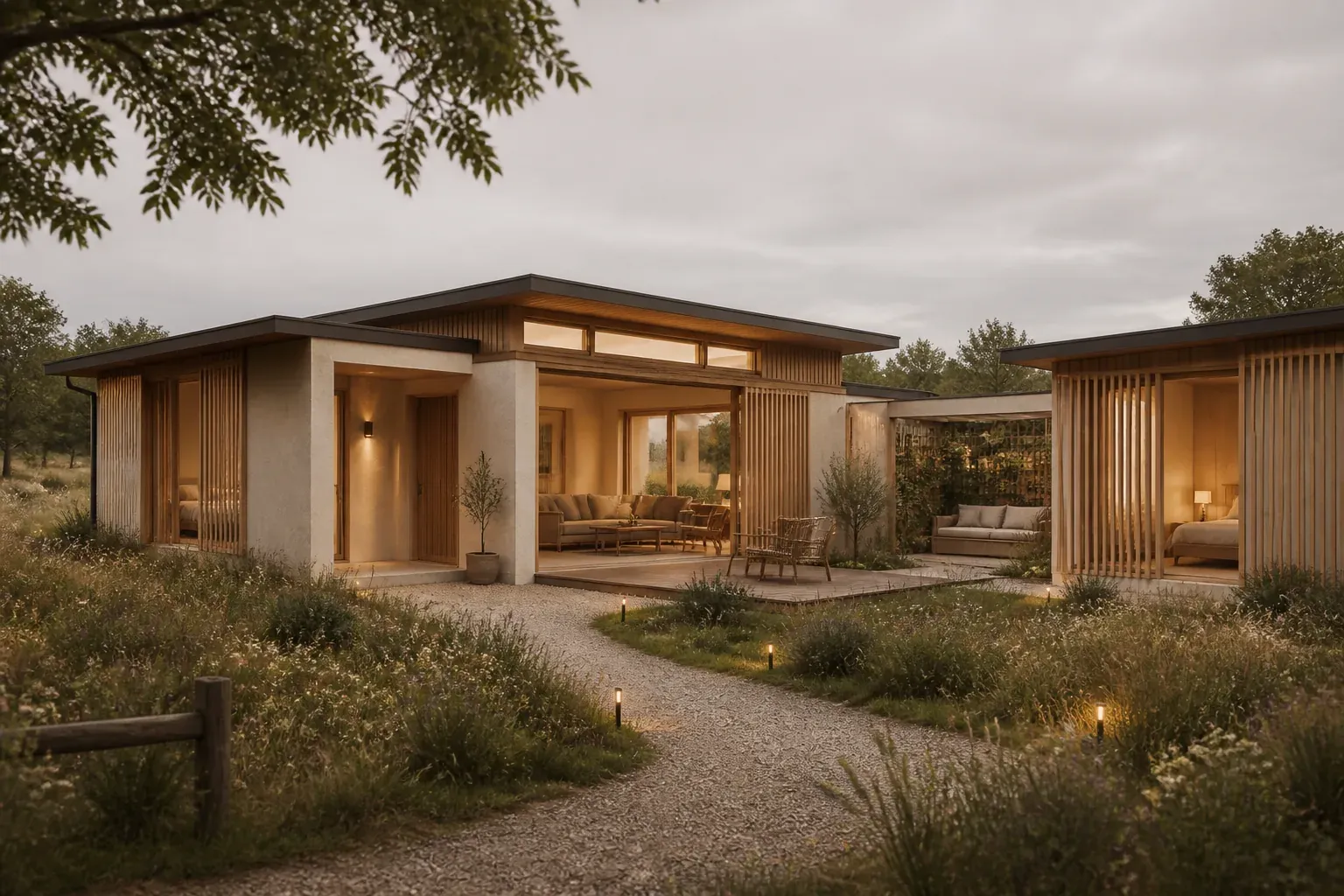
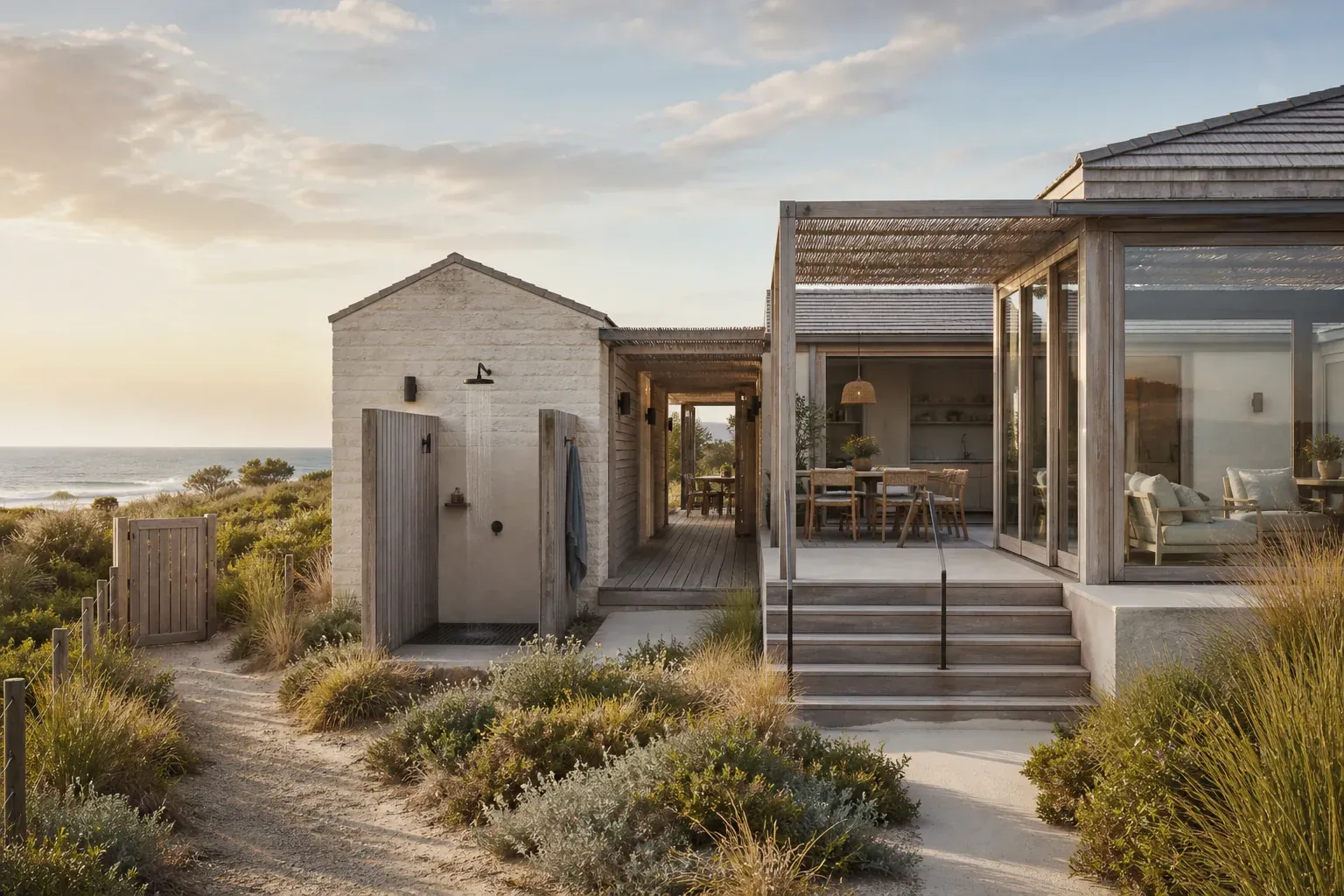
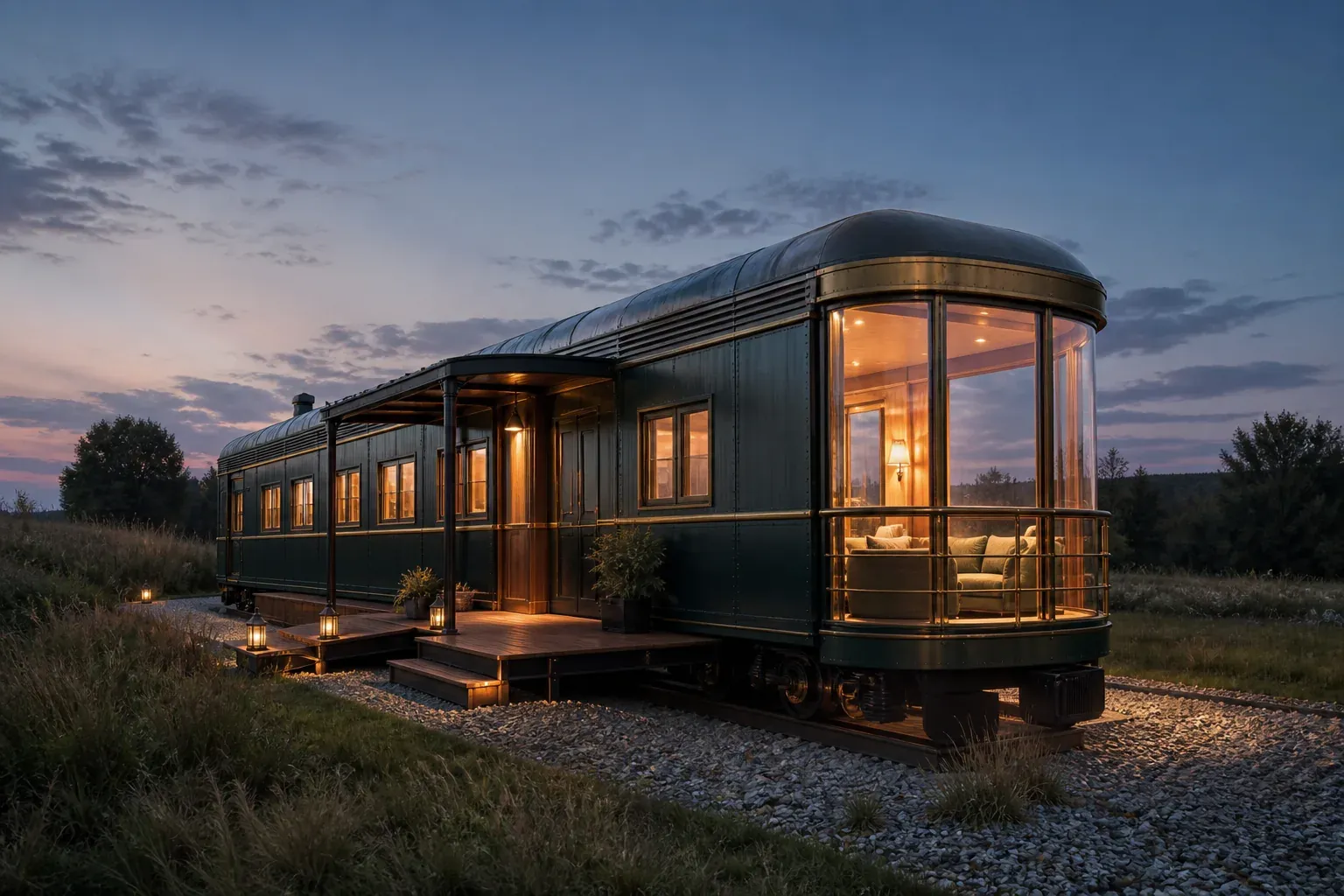
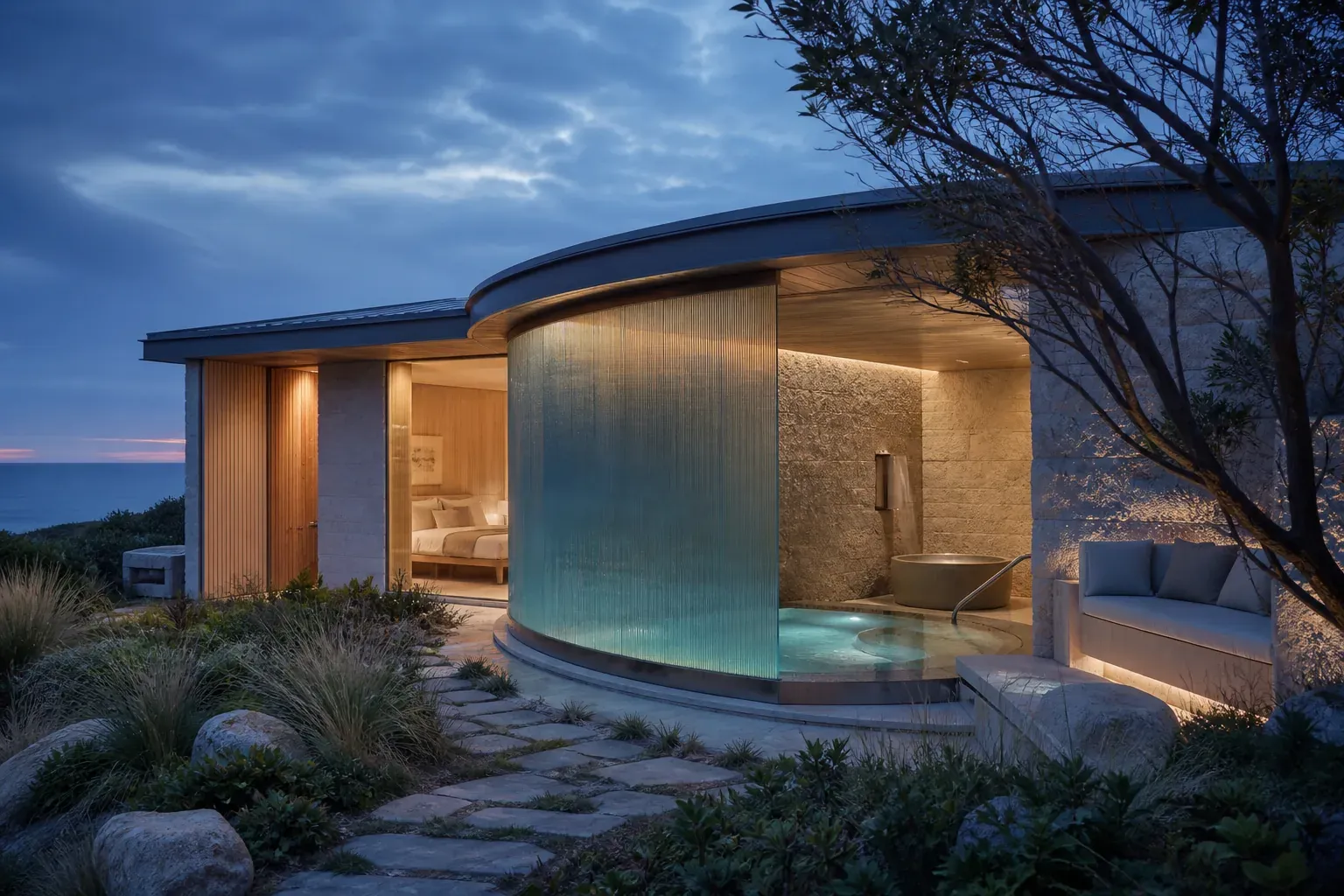
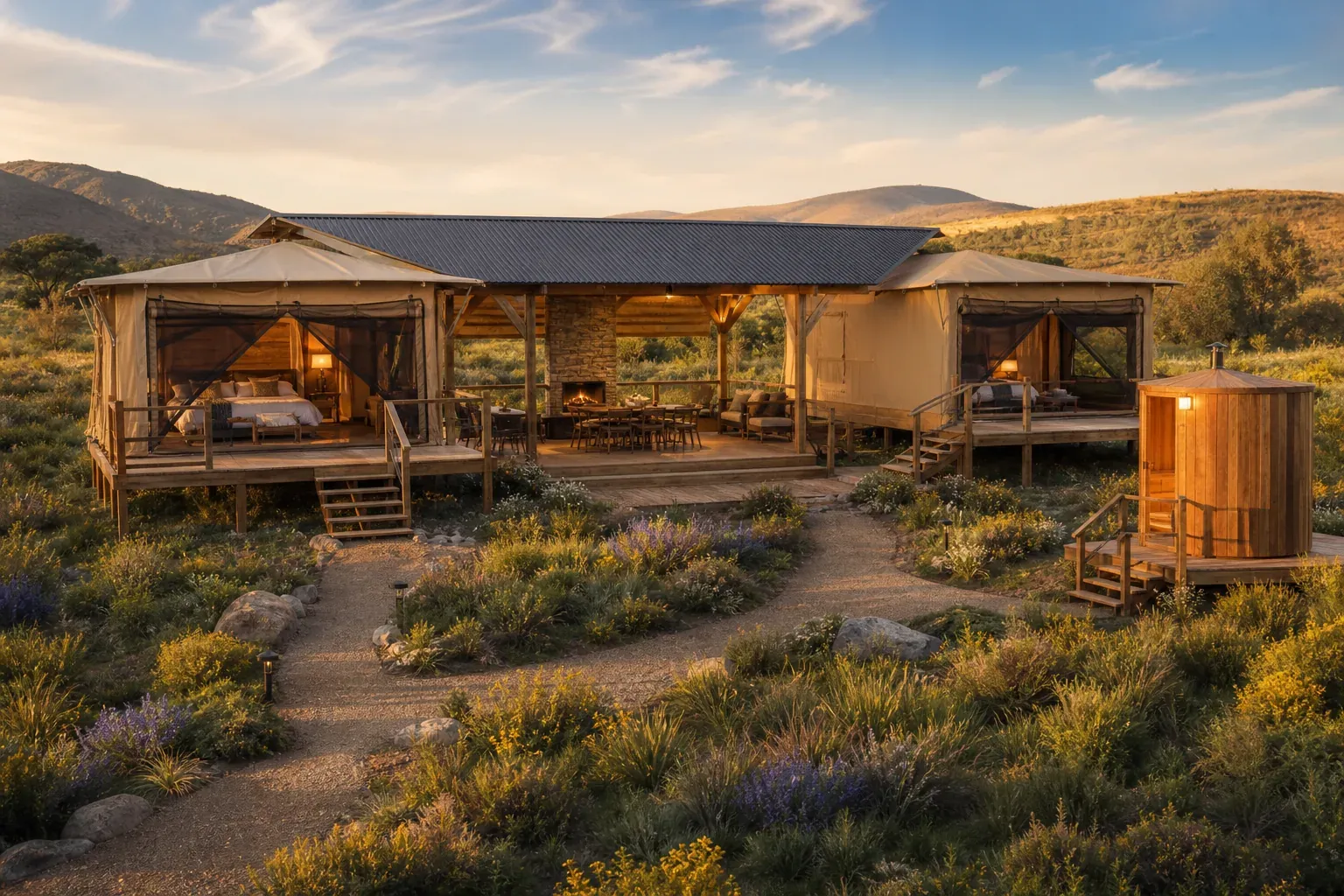
Every concept is fictional and permanently disclosed as such while it remains in a concept state. It has no real address, host, reviews, rating, availability or booking calendar. The images are AI-generated creative visuals, not evidence that a structure has been built. Concepts are inspiration and digital hospitality direction; they are not architectural drawings, engineering advice, planning approval, cost estimates, revenue forecasts or a promise that a particular design can be constructed on a particular parcel.
What makes a concept worth publishing
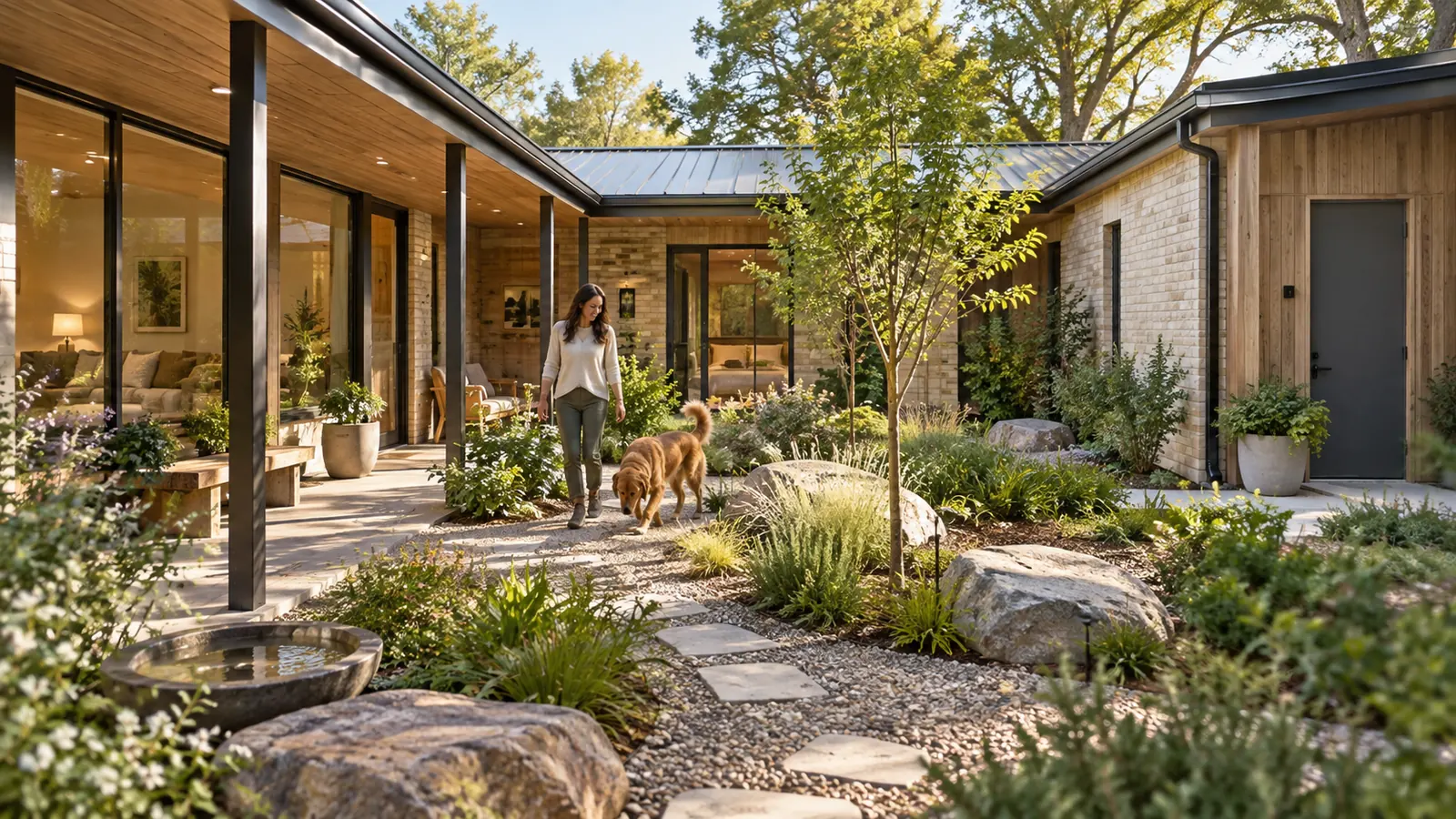
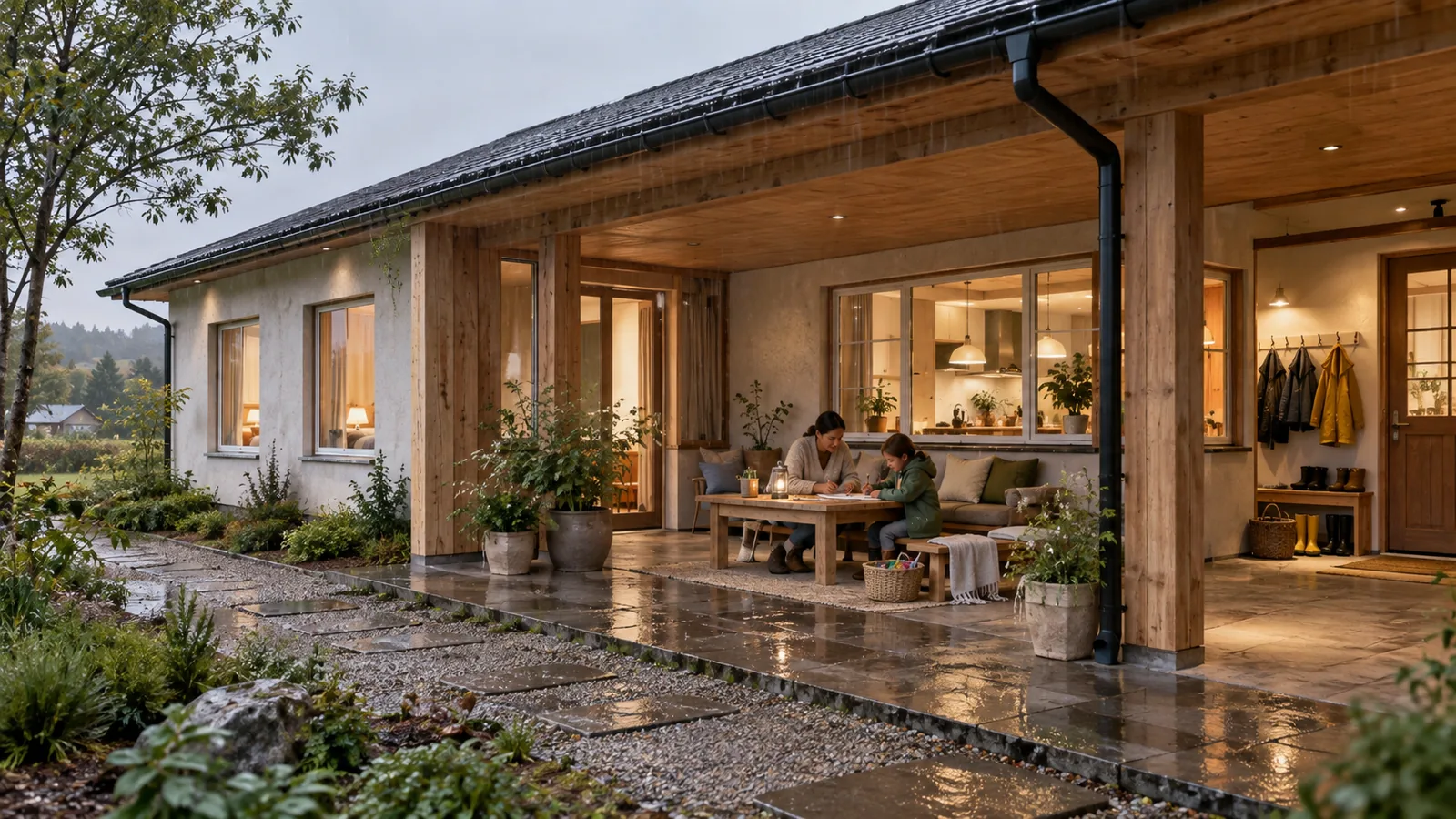
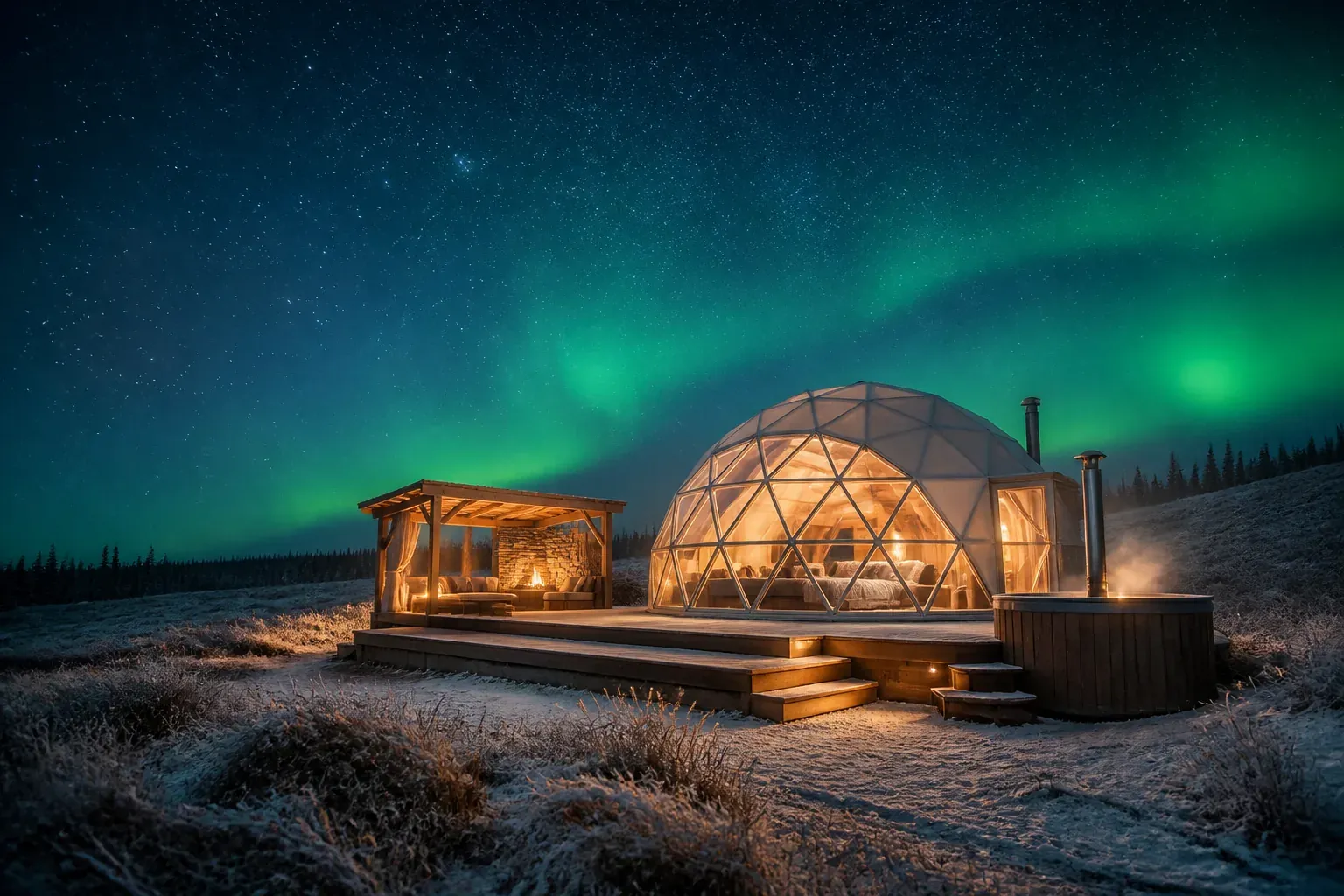
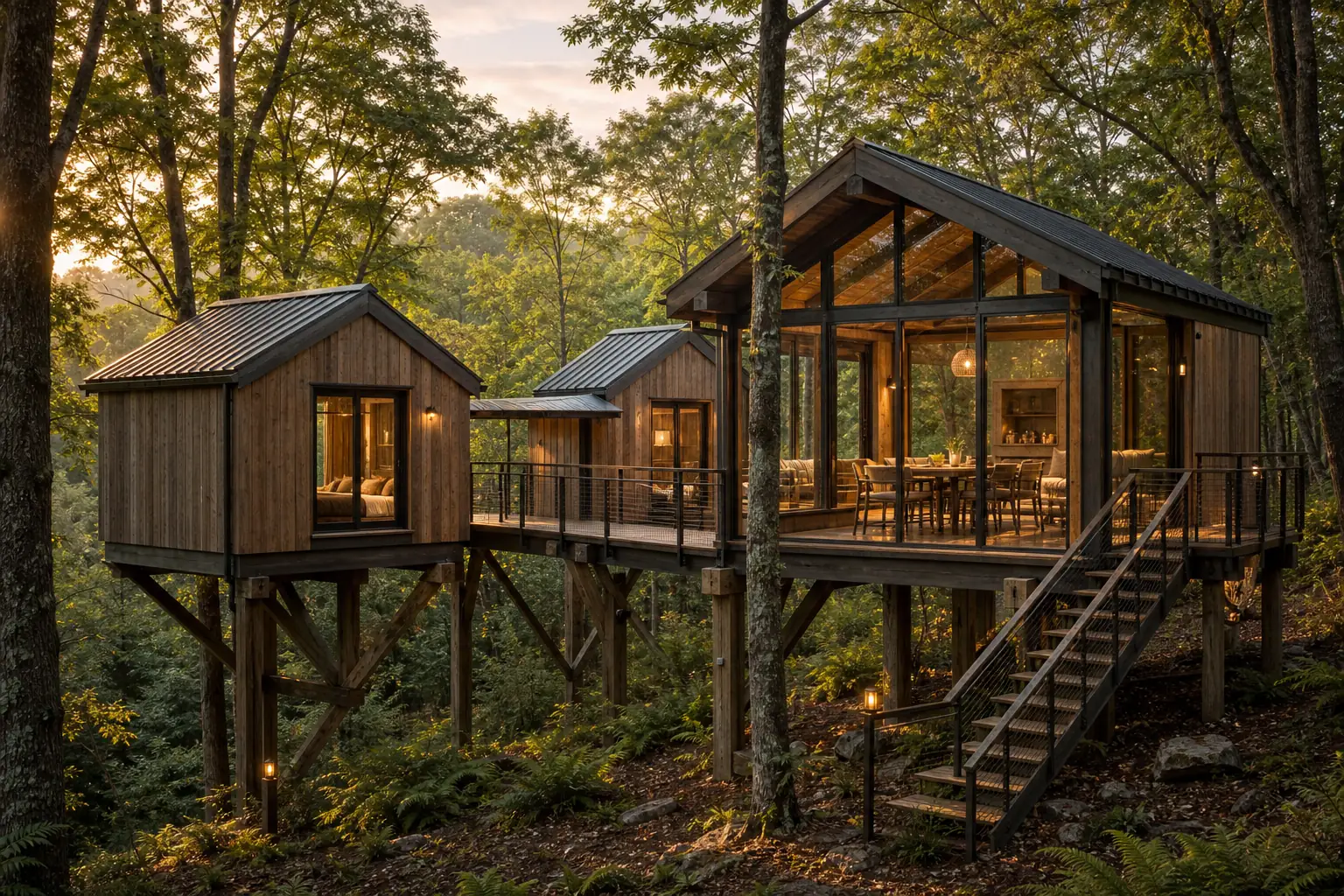
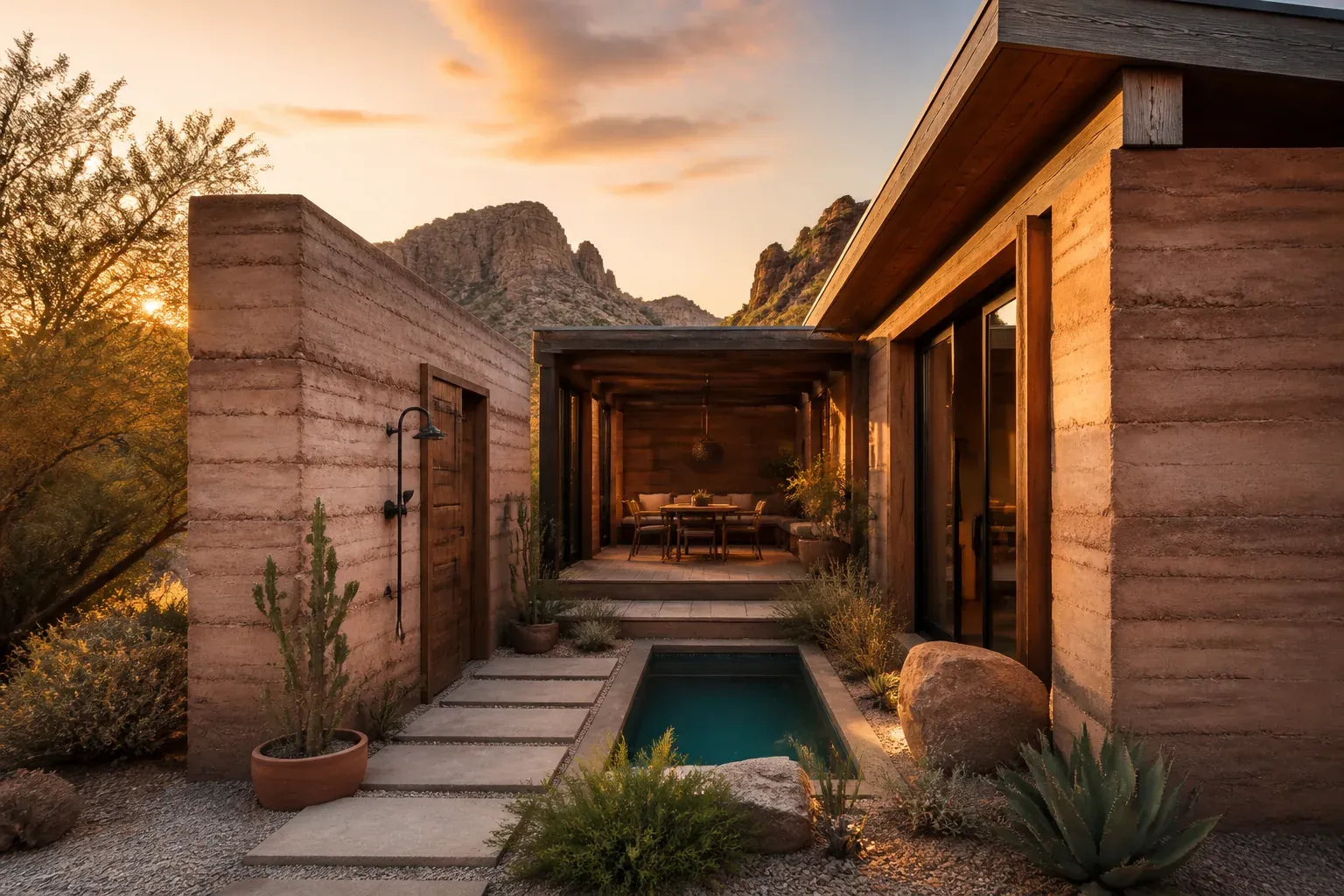
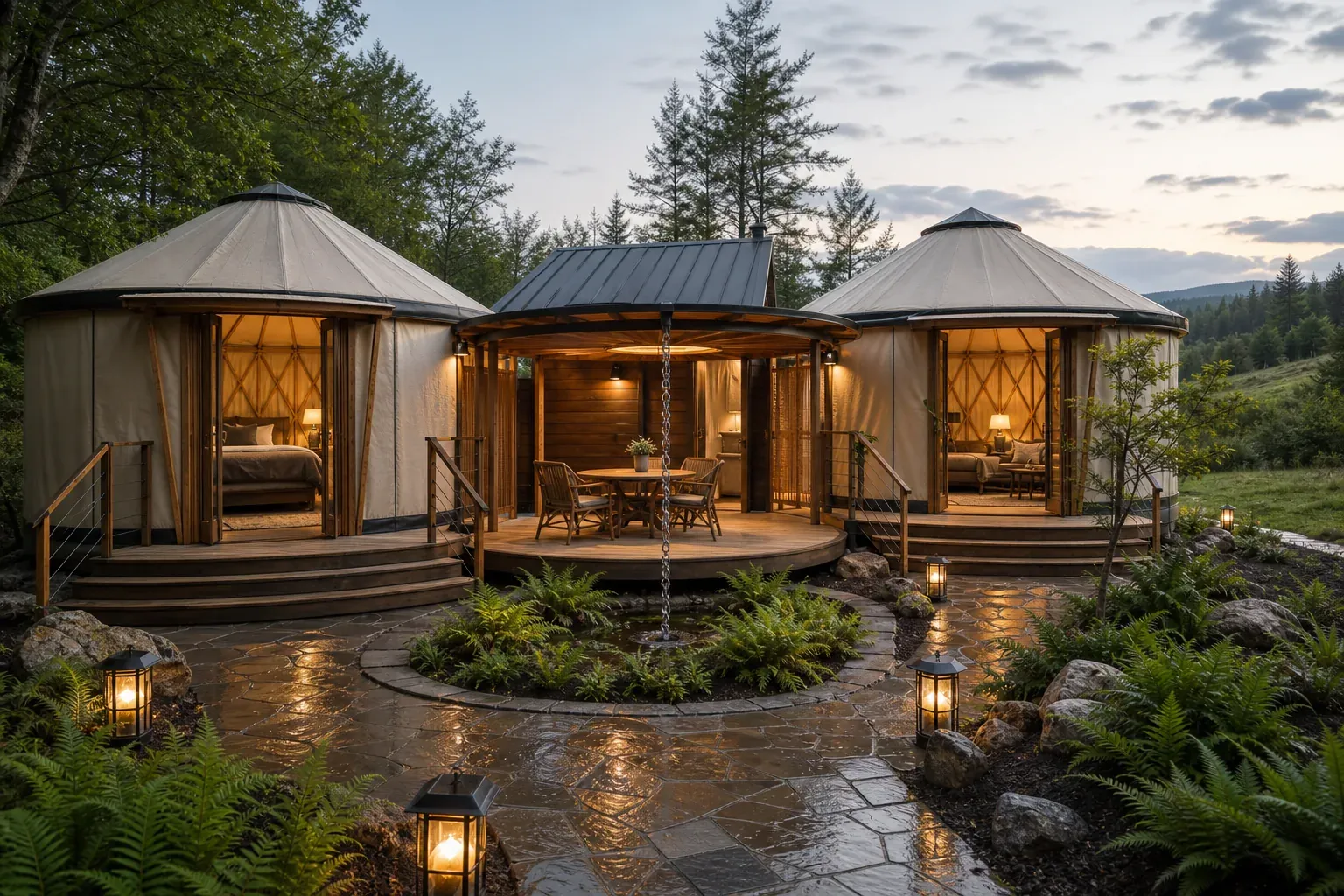
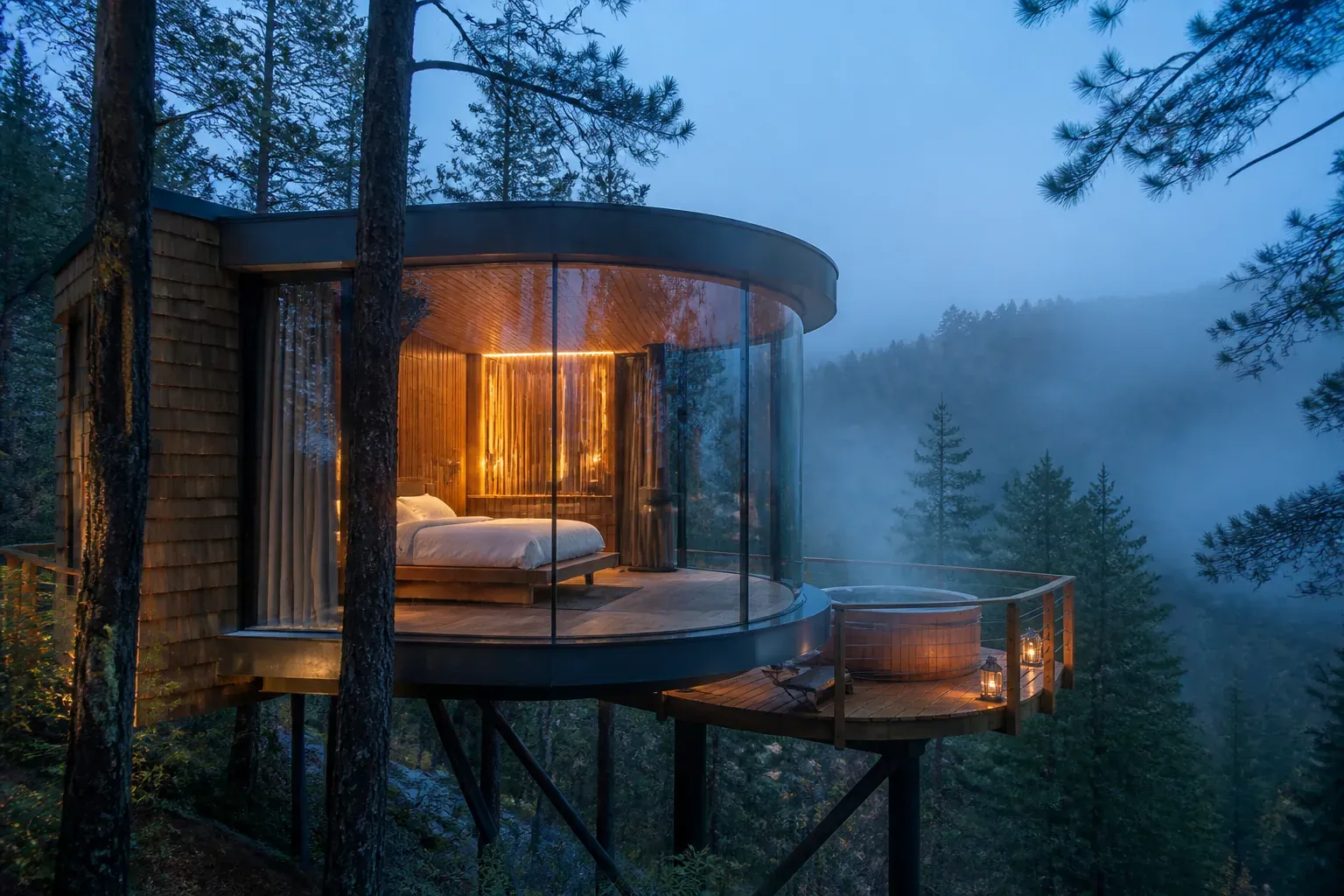
A strong concept needs more than an unusual exterior. It should answer five connected questions: who is the guest, what setting makes the idea believable, which single feature carries the promise, how does the guest experience unfold, and why would someone remember or share it? The Glass Nest centers a couples retreat on waking in the forest canopy. Pocket Canyon House uses privacy and a small courtyard to make limited land feel generous. Aurora Cloud Dome treats looking at the night sky as a complete ritual rather than a decorative theme.
We favor ideas with a clear visual hook and a practical hospitality thesis. A photogenic feature can earn attention, but the rest of the stay must support it through arrival, comfort, privacy, lighting, storage, weather resilience and service design. This is also why concepts are assigned to multiple discovery collections but keep one canonical property site. “Unique Airbnb ideas,” “Airbnb design ideas” and “romantic Airbnb ideas” can describe different reasons to find the same concept without requiring several near-identical pages.
How to use these ideas responsibly
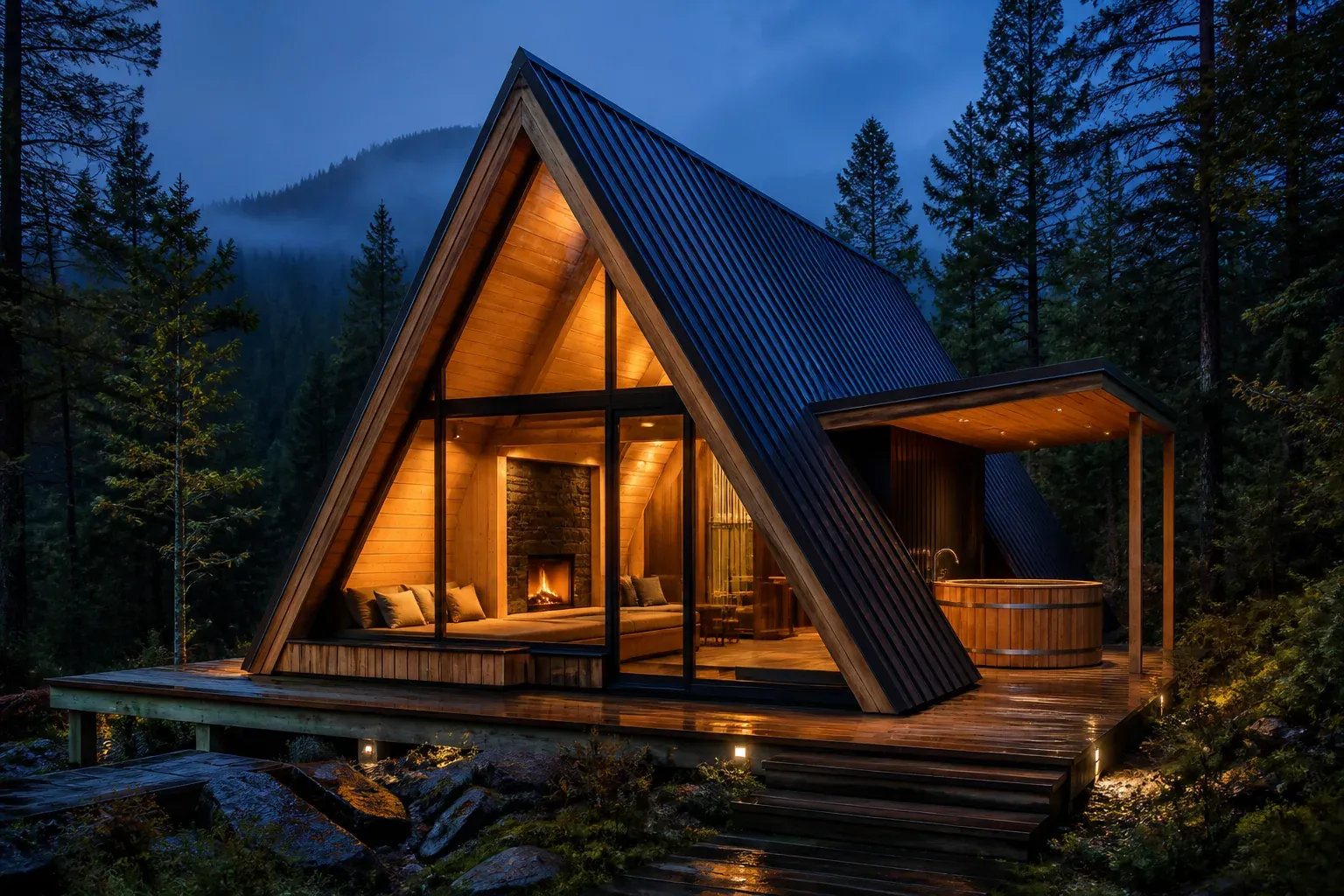
Treat a concept as a starting brief. Before buying land or commissioning work, investigate zoning, permitted use, access, utilities, water, wastewater, fire safety, emergency access, structural requirements, environmental constraints, insurance and local short-term-rental rules with qualified professionals. A feature that looks simple in an image—large glass areas, a roof oculus, a suspended platform or a hot tub—can have meaningful structural, energy, privacy, maintenance and operating implications.
The useful part of a concept is the strategic clarity it creates. You can keep the guest persona and signature ritual while changing the form to suit your climate, budget and regulations. A northern dome might become a dark-sky cabin; a treehouse promise might become an elevated woodland room built without attaching to mature trees; a small-land courtyard plan might be reworked around local setbacks. The concept is an identity and experience system that should be customized, not copied blindly.
Design for the guest journey, not only the thumbnail
Search and social platforms reward an instantly understandable image, but successful hospitality continues after the click. We therefore describe a beginning, middle and end for each imagined stay. Arrival should build anticipation without creating confusion. The main reveal should justify the trip. Everyday functions—sleeping, bathing, food preparation, luggage, temperature, noise and privacy—should feel effortless. One or two rituals, such as sunset tea, a forest breakfast or a weather-aware stargazing guide, can give the guest a story to retell.
This journey also informs the future direct website and guest guide. A strong website sets accurate expectations, explains what is special and answers practical questions before they become support messages. A strong guide continues the tone after booking with arrival instructions, house information and genuinely local recommendations. Host-Pilot already generates those experiences for real hosts from listing URLs; Concepts demonstrate how the same product could express a new hospitality identity from its earliest stage.
Bring a concept to life without pretending it already exists
“Bring This Stay to Life” is intentionally different from “Claim this Stay.” A real Stay has an existing owner whose authority must be verified. An available AI concept has no current property owner to claim. Interest means someone wants to adopt, customize or develop the creative direction for their real situation. V1 records that interest without selling exclusive rights, construction documents or a finished real-estate product.
The underlying state model leaves room for a careful future path: available concept, adopted concept, built concept and eventually a real claimed Host-Pilot property. The URL may be preserved when that is truthful and sensible, while booking behavior remains disabled until a real property and responsible operator have been verified. State changes capabilities and disclosure; it does not require a second renderer. That continuity is useful because the website, positioning and guest journey can mature alongside the physical project.
A focused search test before a larger library
The first collection contains only three concepts with two optimized images each. This constraint protects quality, cost and page performance while testing which search intentions are most useful: broad unique rental ideas, design-led Airbnb ideas, romantic treehouse inspiration, small-land concepts or premium glamping experiences. We will compare impressions, indexed pages, collection-to-concept clicks and visits to the real Host-Pilot generator before producing the planned initial library of twenty.
New hubs will not be created for every keyword variation. When two phrases express the same underlying need, one substantial collection should answer both instead of competing with itself. A separate editorial page is justified only when the searcher needs a different task completed—for example, evaluating small-land constraints rather than browsing tiny-house aesthetics. Once a collection is deliberately published, it keeps one indexable canonical URL while original concepts and guidance are added over time.
From a search theme to an original brief
Concept development starts with a real host or investor question, not with a request to imitate an existing property. A theme such as treehouse ideas, small-land Airbnb ideas or glamping business ideas is translated into a differentiated brief: target guest, operating environment, emotional promise, signature moment, secondary feature, style boundaries and the practical parts of the stay that need attention. The name and visual direction are generated only after that structure is clear, which reduces the chance of producing an attractive image with no coherent hospitality product behind it.
The structured brief is then mapped into the same property data shape the Host-Pilot renderer already understands. A title becomes the property identity; the positioning and story feed the direct-site narrative; features become imagined amenities; environment stays deliberately non-geographic; and the guest journey informs guide-style content. State-specific capability rules remove booking, availability, ratings, exact maps and real-host signals. The result demonstrates the Host-Pilot product while remaining unambiguous about what is creative speculation and what is functioning software.
What we will learn before generating more
Traffic alone will not decide whether the experiment works. We want to know which queries produce meaningful reading, whether visitors understand the fictional disclosure, which concepts earn exploration from category pages, and whether future hosts continue to the listing-URL generator or adoption-interest route. We will also monitor image weight, largest-contentful paint, layout stability, crawl behavior, canonical selection and whether search engines distinguish Concepts from traveler-oriented Stays.
The quality bar applies to future output as well. Two strong images are more useful than a large repetitive gallery, and one complete concept should answer more questions than several thin keyword pages. Expansion from three to twenty will happen only after the canary proves that the shared renderer communicates the state correctly, the main hubs are indexable, category intent is distinct, and the concept CTA attracts people who genuinely operate or plan vacation rentals. Commercial options can be added later without claiming to sell architecture or engineering.
Frequently asked questions
- Do Host-Pilot Concepts actually exist?
- No. Every concept is an original AI-assisted fictional hospitality idea and is clearly labeled as nonexistent. It has no real address, availability, reviews, rating or host, and it cannot be booked.
- Are the concept images architectural plans?
- No. The images communicate mood, positioning and guest experience. They are not measured drawings, engineering documents, code-compliant designs, cost estimates or evidence that a similar building is feasible on your land.
- What does “Bring This Stay to Life” mean?
- It lets a future host express interest in adapting the concept identity, visuals, positioning and Host-Pilot digital property experience to a real project. V1 does not sell certified building plans or promise exclusivity.
- Can a concept eventually become bookable?
- Potentially, but only after a real property exists and an authorized operator completes the appropriate Host-Pilot ownership and setup steps. Until then, booking, availability, reviews and real-location behavior stay disabled.