Free occupancy worksheet
Vacation rental occupancy and break-even calculator
Separate nights that were available to sell from nights that were blocked, then test whether the occupied nights cover the property’s period costs.
Short answer
Use sellable-night occupancy to evaluate booking performance and calendar occupancy to understand total asset use. Neither number is meaningful without rate, variable costs, fixed costs, season and the property’s own history.
Measure one period
Enter totals across all properties for the same dates. Do not double-count a night as both booked and blocked.
Optional capacity and cost assumptionsAdd these only when they apply. Blank amounts are treated as zero.
Occupancy result
- Sellable nights
- 30
- Sellable-night occupancy
- 60.0%
- Calendar occupancy
- 60.0%
- Vacancy on sellable nights
- 40.0%
- Accommodation revenue
- Add ADR
- Revenue per sellable night
- Add ADR
- Contribution after fixed costs
- Add cost assumptions
- Break-even
- Add cost assumptions
Add ADR to see revenue. Add cost assumptions to see contribution and break-even.
The target gap is 0.0 nights. Five additional occupancy points are 1.5 nights, worth $0 in accommodation revenue before costs.
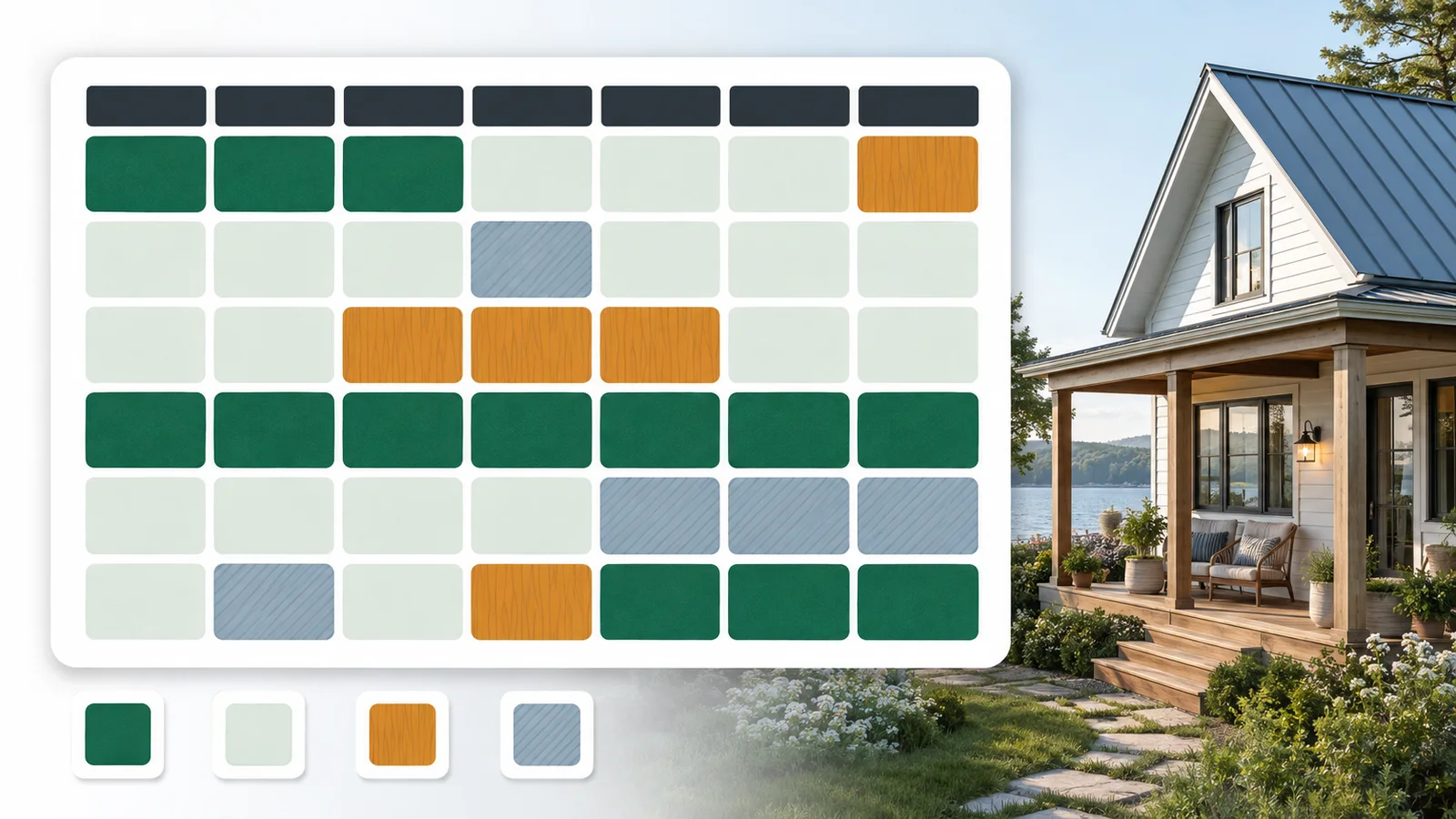
Two occupancy rates answer different questions
Sellable-night occupancy
Booked nights divided by nights offered for sale. Use it to review demand and pricing execution.
Calendar occupancy
Booked nights divided by all property-nights. Use it to understand how much of the asset’s total capacity generated accommodation revenue.
Break-even starts with contribution per occupied night
The calculator subtracts variable cost from ADR, then asks how many occupied nights are needed to cover fixed period costs. It does not include taxes, debt principal or costs you leave out.
If ADR is at or below variable nightly cost, selling more nights does not reach break-even. Review the price, cost structure or operating decision before chasing occupancy.
Use the separate rate and payout worksheet
Compare like periods
Month against the same seasonal month, not against an unrelated annual average.
Audit blocked nights
A maintenance closure and an unsold night have different causes and actions.
Read rate with occupancy
A fuller calendar can still underperform when discounts erase contribution.
Free website widget
Embed this calculator on your website
Give visitors the same calculator without an account. The widget is responsive, keeps entered values private, and includes a small Host Pilot attribution.
Preview
Copy the embed code
WordPress
Add a Custom HTML block where you want the calculator, paste the code, then preview or publish the page.
Wix
Add an Embed Code element, choose Embed HTML, paste the code, and stretch the element to the full content width.
Any HTML website
Paste the code inside the page body. If your builder removes scripts, the fixed iframe height remains as a safe fallback; adjust its height if needed.
The resize message contains only the calculator ID and height—never field values.
Questions hosts ask before acting
How is vacation rental occupancy calculated?
Sellable-night occupancy is booked nights divided by nights that were actually available to sell. Calendar occupancy divides booked nights by every property-night in the period, including owner blocks and maintenance.
What is a good vacation rental occupancy rate?
There is no universal target. A profitable seasonal property can have lower annual occupancy than an underpriced urban apartment. Compare like periods, your contribution margin and your own history.
Should owner-blocked nights count as vacant?
Keep them visible in calendar occupancy, but remove them from the sellable denominator when evaluating demand performance. Report both so the distinction is not hidden.
How does the calculator find break-even occupancy?
It divides fixed period costs by contribution per booked night, then compares the required nights with sellable capacity. If nightly contribution is zero or negative, break-even is not possible under the entered assumptions.
Is this the same as an Airbnb pricing tool?
No. This page measures capacity, occupancy and break-even economics. The Airbnb pricing tool works from rates, fees, stays and payout assumptions.
Does five more occupancy points mean five more bookings?
No. It means nights equal to five percent of sellable capacity, capped by remaining availability. Booking count depends on average stay length.
Use occupancy context before choosing a discount
Host Pilot’s pricing review can help a host consider availability and booking context, while the host keeps control of rate decisions. Continue with the long-stay discount worksheet when a specific stay needs testing.