Bamberg accommodation — where to stay in the World Heritage town
Answer-first: choose Bamberg accommodation based on two priorities — location (Old Town for sightseeing, Bahnhof for transport) and access (stairs/parking vs modern amenities). Bamberg’s compact UNESCO core makes short stays especially convenient when you pick a central apartment; rail travellers benefit from station-area flats for faster day-trip logistics. Check the municipal tourism site and the city’s station page for up-to-date services and mobility assistance. Compare inventory on major organic accommodation channels and confirm host disclosures for accessibility, parking and precise location before booking.
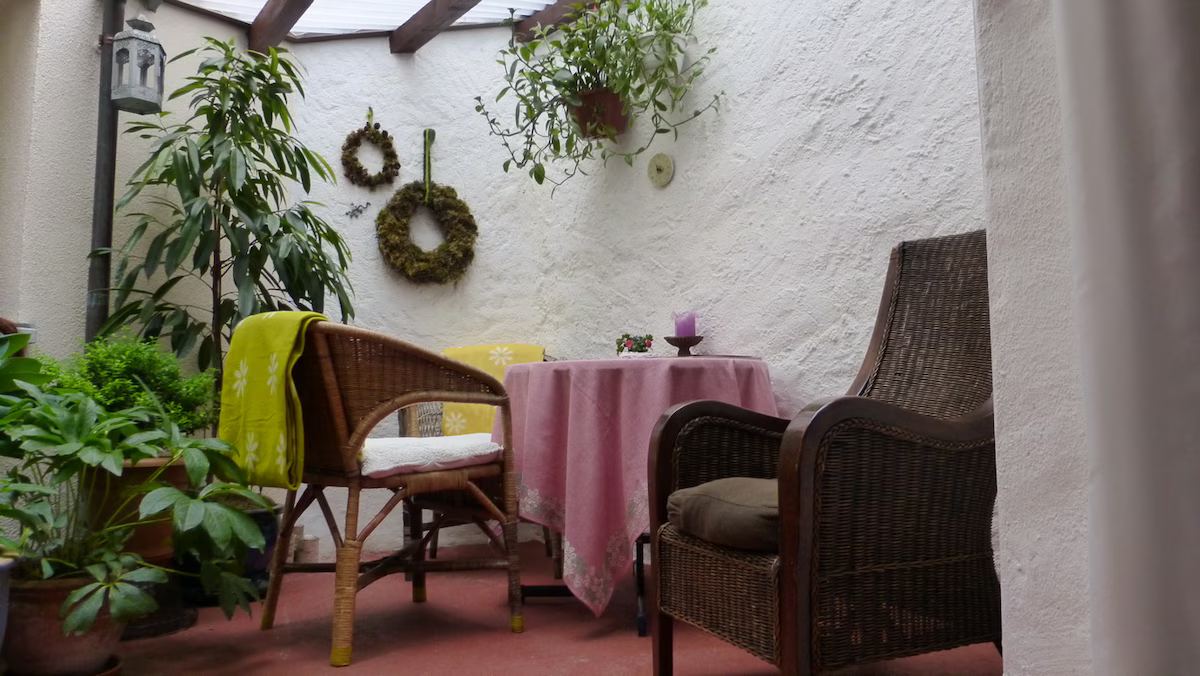
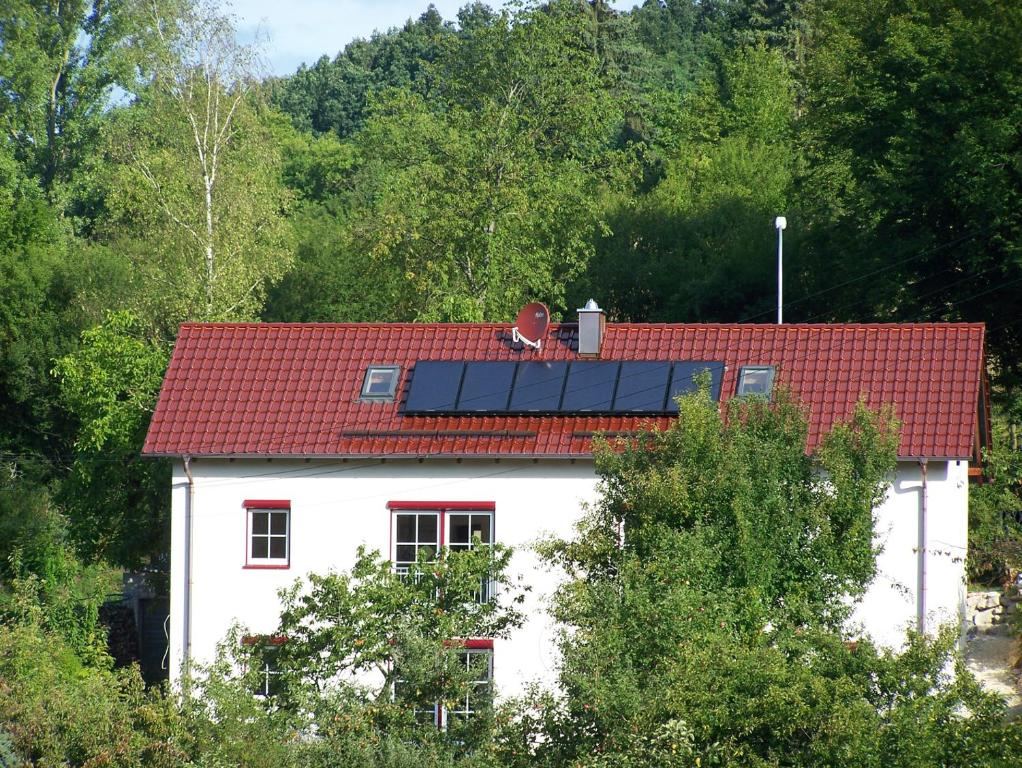
Am Jakobusweg App 3, a property with a garden, is set in Bamberg, 1.8 km from Bamberg Cathedral and 3.7 km from Concert and Congress Hall Bamberg. This hotel features a variety of amenities including a kitchenette, private bathroom, and outdoor dining area. Enjoy the garden view from the terrace, and relax in the comfortable living space with a sofa and…
Welcome to the Holiday apartment "Laurenzi1" - Bamberg! Your "temporary home" located in the historic old town is within walking distance of destinations such as the Cathedral, historic City Hall, and "Little Venice". The space The apartment in the Kaulberg area is on the ground floor of Laurenzistreet Nr.1, a quiet street without traffic. The apartment…
Quick answer — where to pick Bamberg accommodation (short practical summary)
Bamberg accommodation clusters into three practical choices: the compact Old Town/Inselstadt for walking access to UNESCO sights and dining; the Bahnhof (station) and Stephansberg corridor for fastest rail links and day-trip logistics; and quieter residential quarters (Gärtnerstadt, Wunderburg) for families and longer stays. If your priority is sightseeing and evening options, prioritise the Old Town; if you need early trains or cheaper larger flats, search near Bamberg Hauptbahnhof. For official visitor services and up-to-date guided tours, the city tourist office (BAMBERG Tourismus & Kongress Service) maintains current packages and lists of registered guides.
Bamberg is a compact city — many major attractions lie within a 10–20 minute walk of the central island and cathedral. That makes self-catered apartments and holiday rentals particularly convenient: you can buy local produce and cook, or pick a small apartment to split mornings and evenings easily. If you plan regional rail day trips (Nürnberg, Würzburg, Bayreuth), factor transport connections into your accommodation choice; Deutsche Bahn and local schedules show multiple daily services from Bamberg Hbf.
Regulators and hosts: short-term rental supply is visible on global platforms (Airbnb, Booking) and market data platforms (AirDNA). Check permitting and registration advice with municipal tourism or city administration if you are hosting or concerned about legal compliance; the city’s official tourism and municipal sites point to local procedures and contact offices for hosts and visitors.
Resolve the place: Bamberg as a city and its practical geography
Bamberg is a kreisfreie Stadt (independent city) in Upper Franconia (Oberfranken), Bavaria, noted for its well-preserved medieval and baroque architecture and its Altstadt — designated a UNESCO World Heritage Site. As an administrative municipality it is separate from the surrounding Landkreis (district); this matters if you are comparing accommodation located inside the city limits versus nearby villages or the wider Bamberg district. The municipal and tourism sources list precise city addresses and services for visitors.
The city’s core is concentrated around the Inselstadt (the island created by arms of the Regnitz river), the cathedral (Bamberger Dom), and the surrounding squares and narrow streets. Beyond the island, several residential neighbourhoods stretch outward toward the Bahnhof (main station), the Gärtnerstadt allotment gardens and the university areas. Travellers should confirm the precise locality of a listing (Old Town vs suburb) because walking times and local ambience differ markedly.
In practical terms, ‘Bamberg accommodation’ usually implies lodging inside city boundaries where walking and short public-transport hops cover most needs. When searching inventory, prefer listings that clearly show a street address or a short walk distance to either the Domplatz or the Hauptbahnhof to match your transport and sight-seeing priorities; municipal maps and the tourist office provide reliable orientation.
How to get to Bamberg — trains, airports and road options
Rail is the simplest arrival mode for most travellers. Bamberg Hauptbahnhof is a regional rail hub served by Deutsche Bahn long-distance (IC/ICE) and frequent regional trains; the station page lists live departures, accessibility features and a downloadable station map. From Nuremberg the trip frequently takes about 35–50 minutes on regional or IC/ICE services; from Munich direct journeys commonly take roughly 2 to 2.5 hours depending on connections. If you rely on trains, select accommodation near the station for quick arrival and departure days.
Air travellers usually fly into Nuremberg (NUE) or Munich (MUC). Nuremberg airport is the nearest major airport (train connections to Nuremberg Hbf then onward to Bamberg); Munich offers more international connections but requires a longer rail journey. If planning to arrive by car, use the A73 motorway; note central parking is limited and many visitors prefer to park outside the Old Town and walk or use local transit — check with your host about guest parking.
Inside the city, the compact centre is very walkable for sightseeing. Local buses fill in routes to outer neighbourhoods and universities; consult local transit planners for day-specific schedules. For up-to-the-minute train timetables and station services consult the official bahnhof.de pages for Bamberg station.
Neighbourhood guide — where different travellers should book
Old Town / Inselstadt: Best for first-time visitors and couples who prioritise walking access to Bamberg’s cathedral, Little Venice and the riverside restaurants. Expect narrower streets, historic facades and fewer private parking options. Many holiday apartments in this area advertise river views and proximity to guided tours, cafes and evening dining.
Bahnhof (station) area & Stephansberg corridor: Best for day-trippers, people arriving late or early by train, and travellers planning easy links to Nuremberg or Würzburg. Accommodation here can be more modern and sometimes larger for the price; you also gain faster luggage handling and shorter transfer times when catching morning services. Check walking times to the island (typically 15–25 minutes) and bus connections if you prefer not to walk.
Gärtnerstadt, Wunderburg and residential quarters: Best for families, longer stays and visitors seeking quieter evenings. These districts have a more local feel, parks and allotment gardens, and generally easier on-street parking or nearby paid parking. If you are renting a family-sized flat, verify the exact location and access to local bus routes for easy trips into the centre.
Types of Bamberg accommodation and what to expect
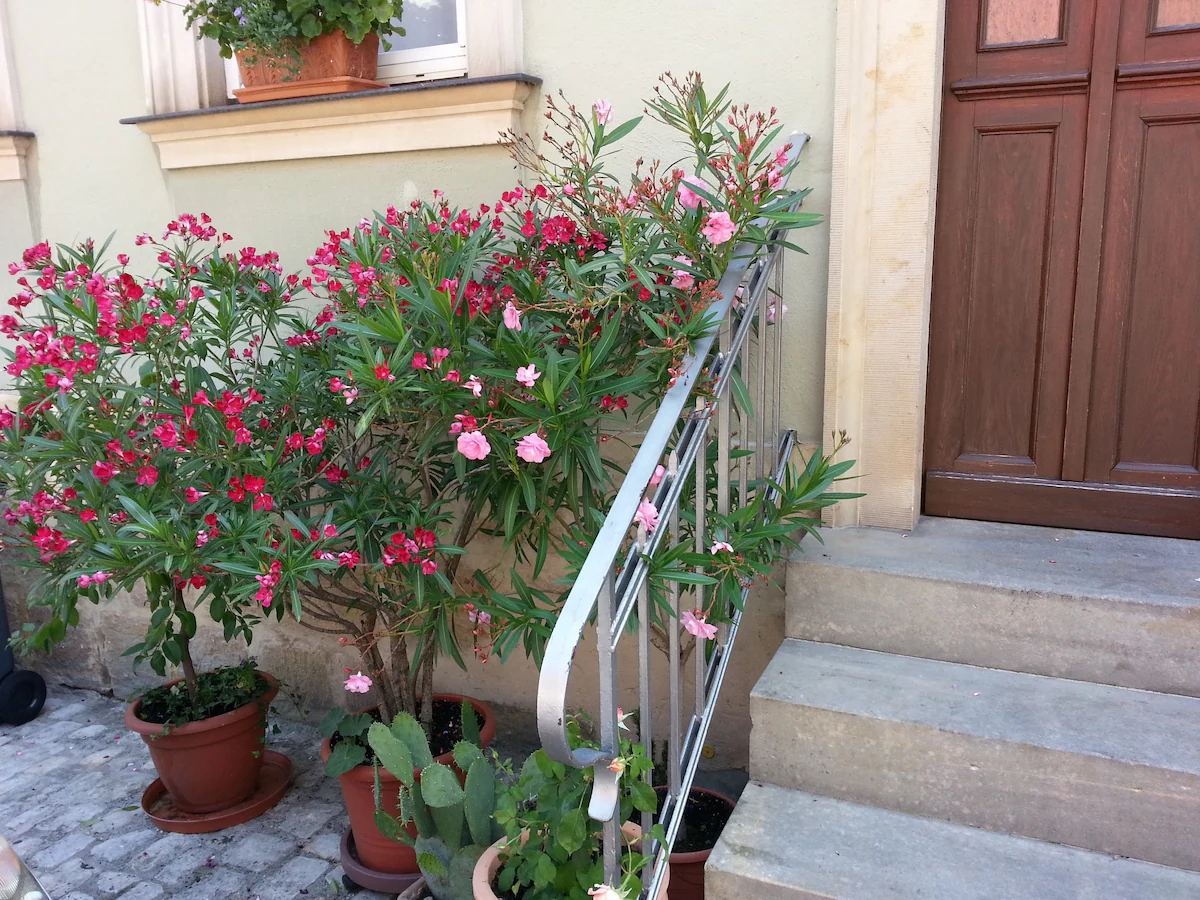
Historic apartments and townhouses: Many listings inside the Old Town are conversions of historic buildings. Expect smaller kitchens, low ceilings and characterful touches — ideal for short stays focused on sightseeing. Confirm elevator availability and stair access before booking if mobility is a concern, since older buildings sometimes lack lifts.
Modern apartments and serviced flats: Found more commonly near the station and in peripheral neighbourhoods, these offer standardised amenities (kitchens, laundry, parking options) and can suit longer stays. They are often listed on major platforms and sometimes feature flexible check-in options or on-site support from property managers.
Hotels and guesthouses: From family-run Gasthäuser to mid-size hotels, Bamberg has an accommodation spectrum. Hotels often provide breakfast and reception services that can simplify arrival logistics. Use official hotel listings and trusted booking platforms to compare cancellation policies and included services.
Booking strategy and regulatory notes for visitors and hosts
Compare inventory across big organic channels (Airbnb, Booking, TripAdvisor/HotelsCombined) and the municipal tourist office; each channel surfaces different stock and sometimes exclusive local packages. Use platform filters to check for “entire place”, instant booking, and cancellation terms; for longer stays reach out to hosts to confirm utilities and cleaning arrangements.
Local rules and hosting compliance: If you are a host or considering direct-booking, consult the city’s official tourism and municipal pages for guidance on registration, visitor taxes and permitted uses. Regulations can change, and municipal contact points will provide the most current compliance instructions for short-term rentals and city tax obligations.
Payment, deposits and transparency: Use payment and messaging inside the booking platform where possible. For direct bookings, request written confirmation of payment terms, cancellation policies and a full address. The tourist office can sometimes confirm licensed guesthouses and hotels; for private holiday rentals rely on reputable platforms or documented contracts.
Top experiences and practical day plans when staying in Bamberg
Historic core & Cathedral day: Dedicate a morning to the Bamberger Dom and adjacent squares, then explore the Alte Hofhaltung and the pedestrian lanes of the island. The cathedral precinct and nearby Old Court museum are compact and well suited to a 2–3 hour visit followed by lunch on the riverside.
Beer culture and brewery walks: Bamberg’s long brewing tradition is a key draw; guided ‘beer tasting’ or brewery walks are available through the tourism office and private operators. These typically highlight Rauchbier (smoked beer) specialities and small family-run breweries in the city — book in advance for weekend slots.
River and neighbourhood strolls: Walk the Regnitz riverside to find ‘Little Venice’ viewpoints, then cross to the horticultural quarter for quieter alleys and gardens. Evening dining tends to cluster back in the Old Town; for panoramic views consider a short hike to the Stephansberg viewpoints near the city centre.
Practical tips: money, language, accessibility and local services
Money and payments: Germany is increasingly card-friendly in tourist centres but small cafés or market stalls may prefer cash — carry a modest cash buffer. ATMs are available near the station and main squares. Check payment policies with your accommodation host, particularly for incidental charges or security deposits.
Language and local etiquette: While many hospitality workers and hosts speak English, learning simple German phrases is useful and appreciated. In restaurants expect table service norms and that tipping is modest (round up or add 5–10% for good service). For quiet hours, especially in residential quarters, respect local noise expectations after 10 pm.
Accessibility and medical services: Bamberg station lists mobility services and step-free access points; however, historic streets and some museums may have limited step-free routes. Contact your accommodation host and attraction operators ahead of arrival to confirm ramps, lifts or alternative entrances. For urgent medical needs, the municipal site and tourist office provide emergency contacts and directions to local clinics.
Bamberg travel facts and current statistics
Population of Bamberg: 77,150 (31.12.2024) — city population of Bamberg (municipal). — city (Bamberg), 31.12.2024. Source
Bamberg Hauptbahnhof infrastructure: Bamberg station — 7 platform tracks and long-distance (ICE/IC) plus regional services (station facts current 2026). — city (Bamberg), 2026. Source
Central Old Town listings praised for walkability and instant access to sights but noted for stairs and limited parking
Guests frequently cite the Old Town’s unbeatable location for sightseeing and evening dining as the chief advantage when booking Bamberg accommodation; the trade-off commonly mentioned across organic accommodation listings is limited private parking and stair-only access in converted historic buildings. For travellers requiring step-free access or private parking, consider listings near the station or residential quarters.
Station-area apartments offer easier transport links and larger modern spaces but require a short walk into the historic core
Listings closer to Bamberg Hauptbahnhof often provide larger, more modern apartments and simpler arrival/departure logistics for rail travellers. Reviews and market data indicate these units are a practical choice for day-trippers and families, albeit with an average 15–25 minute walk to the island and main attractions.
Demand seasonality: peak spring–autumn and festival weekends lead to early sellouts; book earlier for holiday markets and beer-related events
Multiple booking platforms and the official tourism calendar show clear seasonal demand peaks between late spring and early autumn and during cultural/beer-event weekends and the Christmas market. Market snapshots and tourism offers advise booking several weeks to months ahead for popular dates.
Frequently asked questions about Bamberg stays
Where should I look for Bamberg accommodation for a first-time visit?
For first-time visitors prioritize the Altstadt (Old Town) and the Inselstadt (Island) neighbourhoods for walkable access to the cathedral, riverside views and most museums. Book through large organic channels (global platforms and local tourism office listings) or directly via local hosts; this provides the widest inventory while keeping cancellation and payment protections. Check transport links to Bamberg Hauptbahnhof if you plan day trips — the station is the main regional hub and is served by ICE/IC and regional trains. For official visitor services, contact the BAMBERG Tourismus & Kongress Service for up-to-date walking tours, tickets and seasonal offers.
How do I get to Bamberg from Munich or Nuremberg and how long does it take?
Bamberg is well served by rail. From Nuremberg Hbf high-frequency regional and ICE/IC services typically take about 35–50 minutes; from Munich the direct train connections are usually 2–2.5 hours depending on service and transfer. Use Deutsche Bahn timetables or the bahnhof.de station page for live departure and accessibility details. Allow extra time for luggage handling and local transit when planning same-day arrivals or departures.
Is Bamberg a good base for exploring the Franconian region?
Yes. Bamberg’s central location in Upper Franconia and its rail connections make it a convenient base for regional day trips to Würzburg, Bayreuth, Coburg and the Franconian Switzerland area. Regional trains and bus links connect surrounding towns; local tourist information lists combination trips and themed walking routes. Choose accommodation near the station if you plan multiple day trips to minimize transfers and maximize morning travel windows.
When is the best time to book Bamberg holiday rentals to get reasonable choices?
Bamberg’s busiest periods are late spring through early autumn and during special festivals (e.g., beer-related events and Christmas market season). For the broadest choice and better rates, book at least 8–12 weeks in advance for May–September stays and earlier (3–4 months) for holiday markets. Use local tourism offers and major platforms to compare availability; short-term rental market reports can help identify local demand spikes.
Are there official rules or registration for short-term rentals in Bamberg?
Local regulations and registration requirements for short-term rentals vary across Bavaria and municipalities. Bamberg’s municipal and tourism websites provide guidance and contact points for hosts. If you plan to host or rent long-term, consult BAMBERG Tourismus & Kongress Service and municipal pages for current registration, licensing and taxation information.
What neighbourhoods are best for families versus couples?
Families often prefer quieter residential areas such as the Gärtnerstadt or areas near the river with parks and easy tram/bus links, while couples or single travellers frequently choose the Old Town/Inselstadt for historic charm and restaurant access. Many modern apartments and family-size holiday rentals are listed on mainstream platforms; review floorplans and host notes carefully to ensure family amenities like separate bedrooms and kitchen facilities.
How accessible is Bamberg for travellers with mobility needs?
Bamberg station and many central attractions provide accessibility features, but older historic streets and some museum entrances can be cobbled or stepped. Deutsche Bahn’s Bamberg station page lists station accessibility and services; mobility assistance and video travel centres are available. Contact individual accommodation hosts and attraction operators ahead of travel to confirm step-free access, lifts and elevators.
Can I rely on public transport inside Bamberg, or do I need a car?
You can comfortably explore the compact city centre on foot; local buses serve outer neighbourhoods. A car is helpful only if you plan to explore rural areas of the Bamberg district or the Franconian countryside. For intercity travel, use regional trains from Bamberg Hauptbahnhof. Park-and-ride and public parking options exist but verify parking rules with your accommodation host before arrival.
Sources and review notes
Reviewed 2026-08-27. Verify current schedules, prices and access at the source.