Official tourism coastline context: More than 1,000 km of coastline
County Cork, Ireland, Official Pure Cork page reviewed August 2026. View source
Import once
Turn your Airbnb or Booking.com listing into a direct booking website and guest guide.
County Cork stay planner
County Cork accommodation works best when you choose a base for the trip you actually want, rather than treating Ireland's largest county as one compact destination. Cork city and the harbour suit rail arrivals, restaurants and shorter breaks. Kinsale and the south coast combine food, harbour scenery and day trips. West Cork rewards a slower road trip through towns, peninsulas and Atlantic landscapes, while inland stays can offer practical access to several parts of the county. Compare the exact address, transport needs, kitchen and parking details before booking; a county-level search result can be much farther from an attraction than it first appears. For a first visit, two or three nights usually support one area well. Four nights or more make it easier to combine city, harbour and countryside without spending each day in transit. Use current property pages for prices and availability, official journey planners for transport, and weather-aware daily plans. The listings below are a selected discovery view, not a complete marketplace, so check the accommodation's own website before making a booking decision.
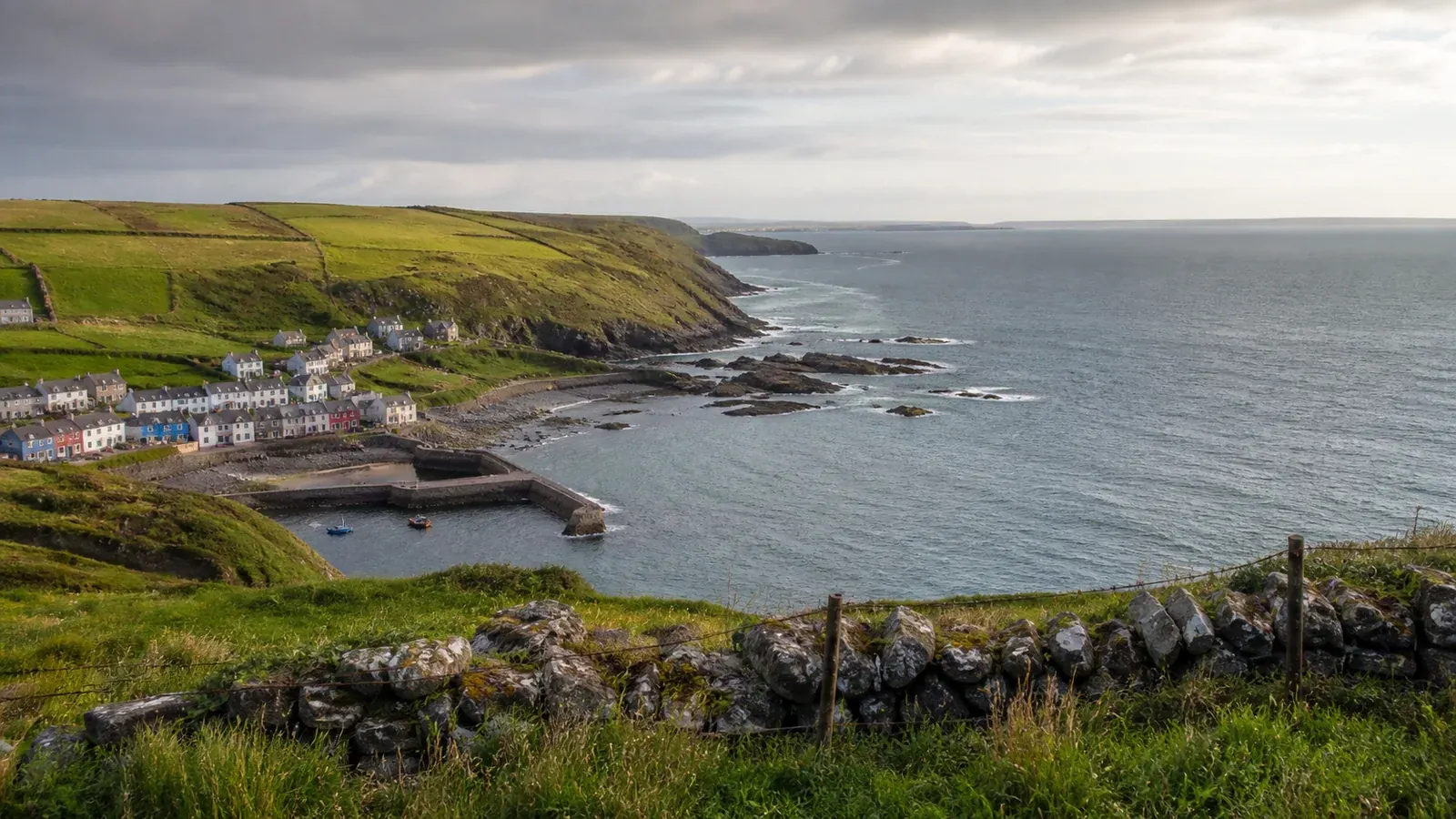
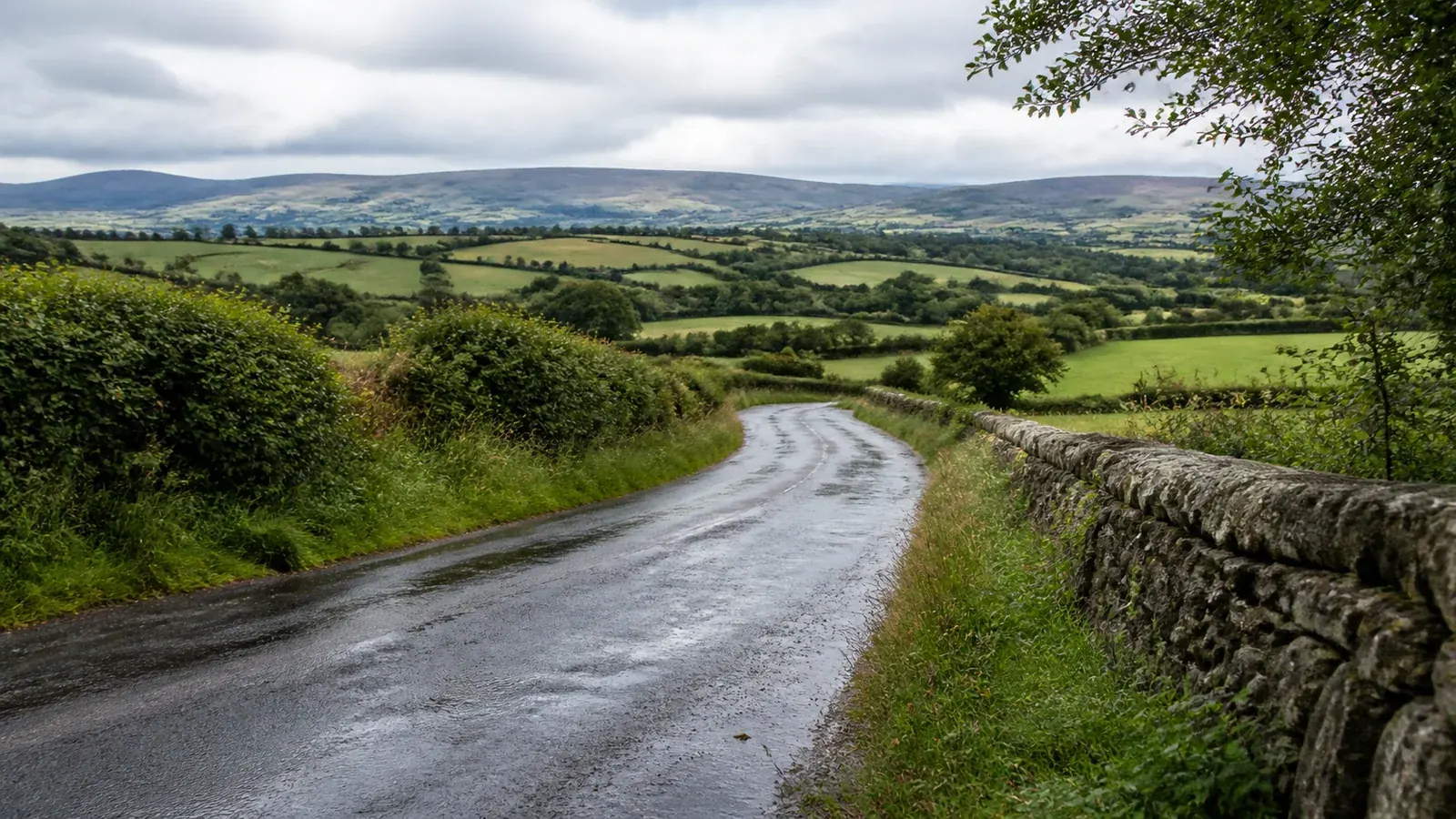
Featured real stay
A rural four-bedroom apartment base in County Cork, with current property details, direct booking choices and a published digital guest guide.
Indicative price from €150 per night. Verify dates, fees, currency and terms on the property website.
Start with the daily experience you want outside the accommodation. A city-focused weekend needs a different base from a coastal walking break or a family road trip. Cork city gives the widest concentration of restaurants, cultural stops and onward public transport. Harbour towns make Cobh, coastal viewpoints and waterside itineraries easier. West Cork bases suit visitors who are comfortable with longer drives and want villages, peninsulas and a slower pace. Inland County Cork can be useful when the aim is to divide time between several regions rather than stay beside one famous attraction.
Map each must-do place before filtering by price. County-level search pages can mix rooms, apartments and homes separated by substantial road distance. A low nightly rate may stop being good value if every day begins with a long detour, parking search or taxi. Put the address into a route planner, compare a normal weekday with a Sunday, and note whether the final road is narrow or rural. If the accommodation description uses a broad place label, ask for the nearest town and realistic travel time before committing.
Match the stay format to how much time you will actually spend there. A private room can suit an active short break when guests mainly need a secure place to sleep. An apartment or cottage earns its extra space when the group wants a kitchen, laundry, a shared evening area or weather-proof downtime. Families should confirm bed layout rather than relying on bedroom count alone. Couples and solo travellers may value walkability more than floor area. Groups should check bathroom sharing, quiet hours and whether every bedroom is private.
Cork city is the simplest base for travellers arriving without a car. Kent Station connects intercity and commuter rail, while the bus network serves the city and surrounding areas. Staying near the centre can make evening meals and cultural stops easier on foot, but visitors should still examine the hill, distance and late return route on a map. City accommodation may trade private outdoor space for access. If you plan to rent a car only for one day, compare central parking costs with collecting the vehicle after the city portion of the trip.
The wider harbour creates a different type of visit. Cobh, waterside communities and rail-linked eastern stops can support a city-and-coast itinerary without changing accommodation every night. The commuter network connects Cork Kent with Cobh and Midleton, but a station name does not guarantee that a rental is walkable from the platform. Check the final kilometre, luggage conditions and the last practical return service. Harbour weather can also change quickly, so keep one indoor option ready rather than building the whole day around a single sailing or viewpoint.
A two-night city break benefits from a small radius: one day for the centre and one for the harbour or a nearby town. With three nights, visitors can add a focused day trip without making the stay feel like a sequence of transfers. Choose a property with clear check-in instructions if arrival follows an evening flight or train. Confirm luggage storage separately; it should never be assumed. For departures, work backwards from the airport, station or car-return deadline and leave room for traffic, platform changes and breakfast.
West Cork is better approached as a network of towns, peninsulas and coastal roads than as one attraction. Kinsale works well for food and harbour scenery near the county's eastern side, while Clonakilty, Skibbereen, Bantry and the Beara area lead into progressively longer Atlantic itineraries. A base that looks central on a map may still involve slow roads. Pick one cluster for a short stay, or change base once during a longer trip. Constant one-night moves usually consume the time that visitors hoped to spend walking, eating and exploring.
For coastal accommodation, verify what sea view, beach access or waterfront actually means. A distant view is not the same as a safe walking route to the shore, and a harbour edge is not automatically a swimming place. Check whether shops and food are open on the dates of travel, especially outside peak periods. If the property is self-catering, ask how far the nearest grocery stop is and buy essentials before reaching a remote peninsula. Mobile coverage, taxi availability and evening transport can also differ from city expectations.
Build Atlantic days with a primary route and a shorter weather alternative. Headlands, ferry connections and exposed walks deserve more time than the mileage suggests. Avoid promising yourself multiple peninsulas in one day simply because the straight-line distance looks small. A realistic plan pairs one major landscape with a town, meal or short walk. Leave room to stop safely at signed viewpoints rather than on narrow roads. The reward is a calmer trip that fits County Cork's scale instead of racing through a checklist.
Rural accommodation can offer space, quiet evenings and useful access between Cork city, Mallow, Macroom and the county's western routes. It suits travellers with a car who prefer a local base over nightlife at the door. The trade-off is planning: the nearest pub, restaurant, fuel stop or supermarket may require a drive. Read the exact amenity list and do not translate countryside language into assumptions about isolation, views or farm access. A rural address can sit beside a working road or active business as easily as a secluded field.
Ask practical arrival questions before setting out. Confirm whether the entrance is visible after dark, where guests park, how keys are collected and whether the host recommends approaching from a particular direction. Save instructions offline because mobile coverage may weaken on the final roads. If several rooms share a kitchen or bathroom, establish which spaces are private and which are communal. Guests who need step-free access should request precise threshold, path and bathroom details rather than relying on a general accessibility filter.
A rural base becomes especially useful when the itinerary has two or three distinct day-trip directions. Group destinations by geography so that one day moves west and another moves toward the city or harbour. Keep the final evening near the accommodation, particularly when roads are unfamiliar. Designate a driver before visiting pubs or distilleries and use a booked taxi only after confirming the return. Rural hospitality can be memorable, but responsible logistics are part of enjoying it.
County Cork search results span hotel rooms, private rooms, guesthouses, apartments, cottages and full holiday homes. The label alone does not settle the experience. A room over or beside a hospitality business may have convenient food and local atmosphere but different noise patterns from a detached cottage. An apartment can mean a private unit or rooms sharing facilities. Read the sleeping layout, bathroom arrangement, entrance and common areas line by line. If a detail matters to the group, get a written answer before booking.
Compare total trip value rather than only the first nightly figure. Cleaning charges, deposits, taxes, parking, minimum stays and cancellation terms can change the result. A kitchen may reduce meal costs, while a central room may remove car hire for part of the visit. For longer stays, laundry and a comfortable shared space often matter more than decorative features. For a one-night stop, simple arrival, a reliable bathroom and a suitable departure route may be the better priorities.
Use filters as a shortlist, then verify them on the property page. Wi-Fi does not describe speed or coverage in every room. Free parking may be off-site or limited. A listed workspace may be a table rather than a private office. Pet-friendly rules can include size limits or additional cleaning terms. Family-friendly does not guarantee stair gates, cots or blackout blinds. Screenshots of current details and written host answers are useful records if the trip depends on a particular amenity.
Cork can support a car-free visit when the itinerary is designed around Cork city, the harbour rail line and clearly served towns. Transport for Ireland publishes current network information, and Irish Rail provides station and route details. Check the journey planner for the actual travel date because frequency, engineering work and Sunday service can change. Accommodation near a route on a county map may still require a long walk without pavement. Ask the host for the stop name and safe walking route, then confirm it independently.
A car unlocks rural and peninsula itineraries, but it changes the accommodation checklist. Confirm parking dimensions, surface and access if the group has a large vehicle. Visitors unused to Irish rural roads should allow time for narrow lanes, bends, farm traffic and changing weather. Do not use estimated map time as a deadline. Plan fuel stops before remote days and download maps. If the trip combines city and countryside, renting only for the rural portion can reduce parking pressure and simplify the first days.
Cork Airport, Kent Station and the city bus station are separate arrival points, so compare the complete door-to-door route. Airport buses connect with central Cork, but the onward connection may be less frequent. An evening arrival can make a nearby first night sensible before collecting a car in daylight. On departure day, avoid a distant scenic detour. Leave a generous margin for refuelling, vehicle return, baggage and security, especially during holiday periods or major events.
For two nights, choose one anchor: Cork city and harbour, Kinsale and the south coast, or one West Cork town with its surroundings. Three nights allow a second cluster if transfers are short. Four to six nights make a split stay more reasonable, such as city first and West Cork second. A week supports a slower loop with rest time. These are planning frames, not promises; weather, opening dates and personal pace should decide the final schedule.
Give each day one major purpose. A city day might combine a market, museum and neighbourhood walk. A harbour day might pair Cobh with one nearby stop. A coastal day should centre on one peninsula, headland or signed route. Keep meals and minor stops flexible instead of booking every hour. This approach leaves room for rain, traffic and discoveries without losing the trip's main goal. It also makes the accommodation location easier to evaluate because each day's travel direction is visible.
Use the first evening to test the practical basics: parking, heating, Wi-Fi, kitchen equipment and the route back after dark. Report an issue early rather than waiting until checkout. Before a long day trip, save the host's contact details and the accommodation pin offline. Keep valuables secure and follow property rules on guests, noise and shared facilities. A clear base routine makes ambitious sightseeing days feel easier and protects the relationship between visitors, hosts and neighbours.
County Cork's appeal is not limited to one season, but daylight, weather and service patterns affect the experience. Summer offers longer days and stronger demand. Spring and autumn can suit walking and food-focused trips with fewer peak-period pressures, while winter calls for shorter outdoor plans and more attention to opening days. Do not treat a climate average as a forecast. Check official conditions close to travel and revisit ferry, outdoor attraction and route information on the morning itself.
Pack for changes within the same day: a waterproof outer layer, comfortable shoes with grip and an extra warm layer are more useful than relying on one perfect forecast. Coastal wind can make exposed places feel colder than an inland town. Keep dry footwear available for the accommodation and respect requests about muddy gear. If the property has shared entrances or limited drying space, ask where wet coats and boots should go.
Weather flexibility begins with the booking choice. A comfortable common area matters more when several people may spend an evening indoors. Reliable heating, clear controls and a kitchen can add resilience, particularly in rural locations. Choose at least one indoor option for each travel cluster, but verify current opening hours rather than repeating an old itinerary. The best rainy-day plan is nearby and genuinely interesting, not a long emergency drive across the county.
Before paying, confirm the property's identity, exact booking terms and contact route. Read the cancellation policy in the currency and date format shown. Check whether payment is collected immediately, requested later or accepted on arrival. A direct website can make communication clearer, but guests should still keep confirmation records and use a secure payment flow. Never transfer money simply because a message creates urgency. If a request changes after booking, verify it through the original contact channel.
Treat generated or imported property information as a starting point when a host has not yet claimed the page. Prices, access details and suggested guest-guide content require host review. The live property website should identify which actions are available, and the host remains the source for current availability and stay-specific facts. Ask about any essential requirement before booking, including accessibility, dietary service, late arrival, pets or room privacy.
Finally, choose accommodation that fits both the traveller and the place. City neighbours, rural roads and shared hospitality spaces all have different rhythms. Follow quiet hours, park only where instructed and leave communal areas as agreed. County Cork rewards visitors who allow time for local scale and conditions. A well-matched base reduces unnecessary driving, supports clearer host communication and gives more of each day back to the reason for travelling.
County Cork, Ireland, Official Pure Cork page reviewed August 2026. View source
Cork Airport, County Cork, Calendar year 2025. View source
Cork city and surrounding areas, Transport for Ireland network page reviewed August 2026. View source
These are source-attributed themes summarized across current public travel and accommodation material—not Host-Pilot reviews, ratings or testimonials.
Across major accommodation platforms, County Cork inventory is grouped around distinct towns, coastal areas and rural settings. The recurring decision is not only property quality but whether the base matches the traveller’s daily route.
Parking, kitchens, Wi-Fi and suitable space recur across platform filters and descriptions. Travellers benefit from verifying the exact form of each amenity because broad filters do not explain access, capacity or shared use.
Official destination and transport sources present Cork as a mix of city, harbour, towns and long coastline. Visitors should build a focused cluster rather than assume every county attraction is a short trip from one base.
There is no single best area. Cork city suits car-free short breaks and dining, the harbour suits rail-linked day trips, Kinsale supports a south-coast visit, and West Cork works for slower road trips. Choose the area that minimizes travel to your two or three highest-priority places.
Yes, if the itinerary stays close to Cork city, the harbour commuter line and towns with confirmed bus links. Use current Transport for Ireland and Irish Rail planners for the exact dates. Remote peninsulas and rural accommodation usually need more careful connections or a car.
Two or three nights suit one focused area. Four to six nights make it easier to combine Cork city or the harbour with West Cork. A week supports a slower loop. Avoid adding distant bases unless the transfer clearly saves more driving than it creates.
Many are, but verify the bed layout, stairs, bathroom sharing, parking and kitchen equipment. A family-friendly filter does not prove that cots, stair gates or blackout blinds exist. Ask for written confirmation when an amenity or safety detail is essential.
Book earlier for summer, school holidays, festivals and larger groups, while keeping cancellation terms in view. Availability varies by town and property type. Outside peak periods, also check whether nearby food, attractions and transport operate on the planned dates.
Confirm the full address, safe arrival route, parking, private versus shared rooms, nearest food options, check-in method and mobile coverage expectations. Save directions offline. If you will visit pubs or distilleries, arrange a responsible return rather than assuming a local taxi will be available.
Reviewed 2026-08-26. Current schedules, access and prices should be verified at the source.