This Ilhabela accommodation guide helps you choose where to stay on São Paulo’s most visitor-focused island municipality. It clarifies municipal status, access logistics (ferry/travessia), neighbourhoods, accommodation types, booking strategy and practical tips for beaches, trails and events. Use the official municipal and state transport pages for trip-critical updates, and consult global and local listing platforms when picking a specific unit. The guide highlights three recurring traveler feedback themes — ferry bottlenecks, seasonal scarcity of beachfront villas, and on-island parking/road constraints — each sourced to official and platform pages so you can plan confidently. ([ilhabela.sp.gov.br](source))
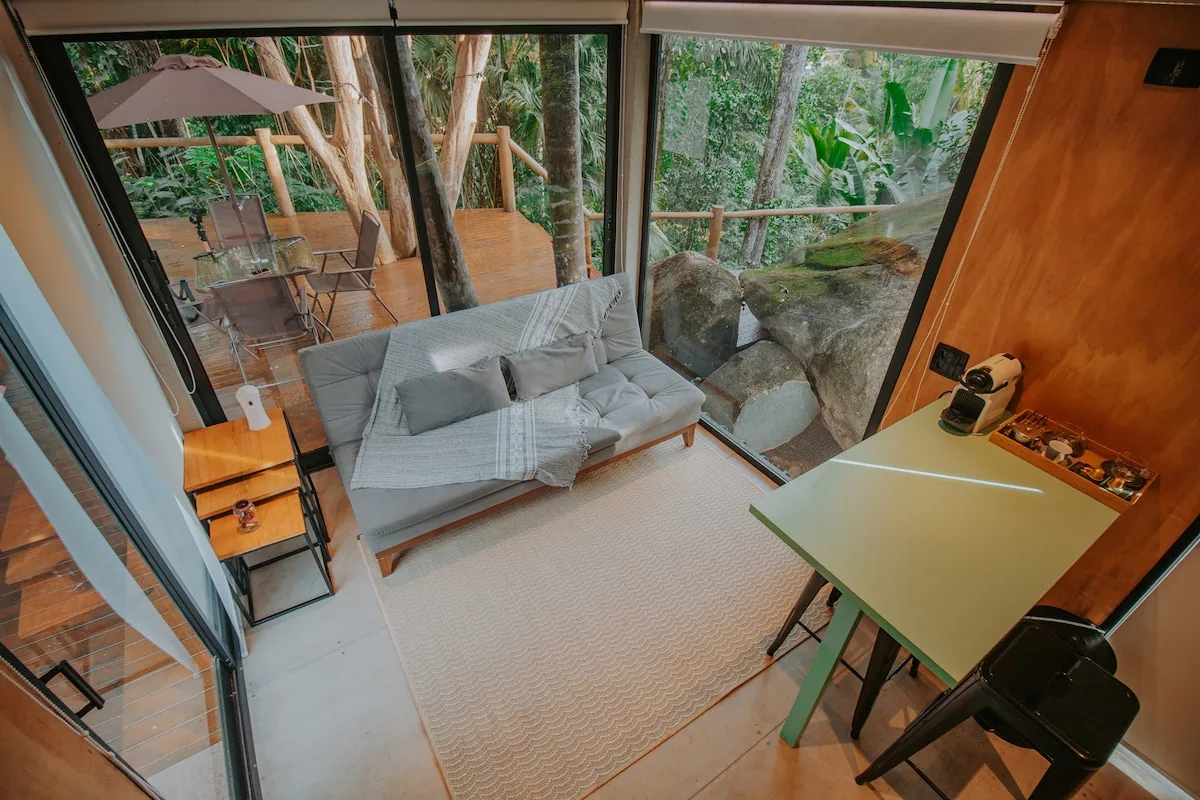
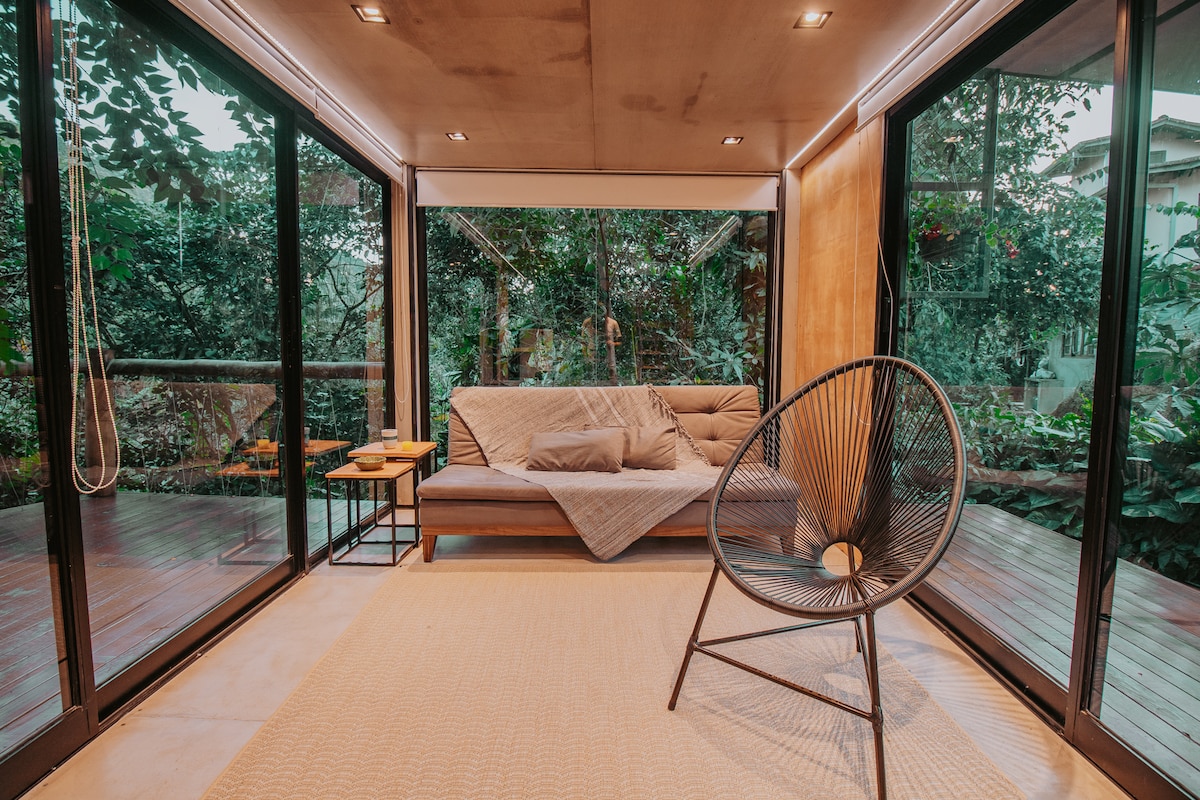
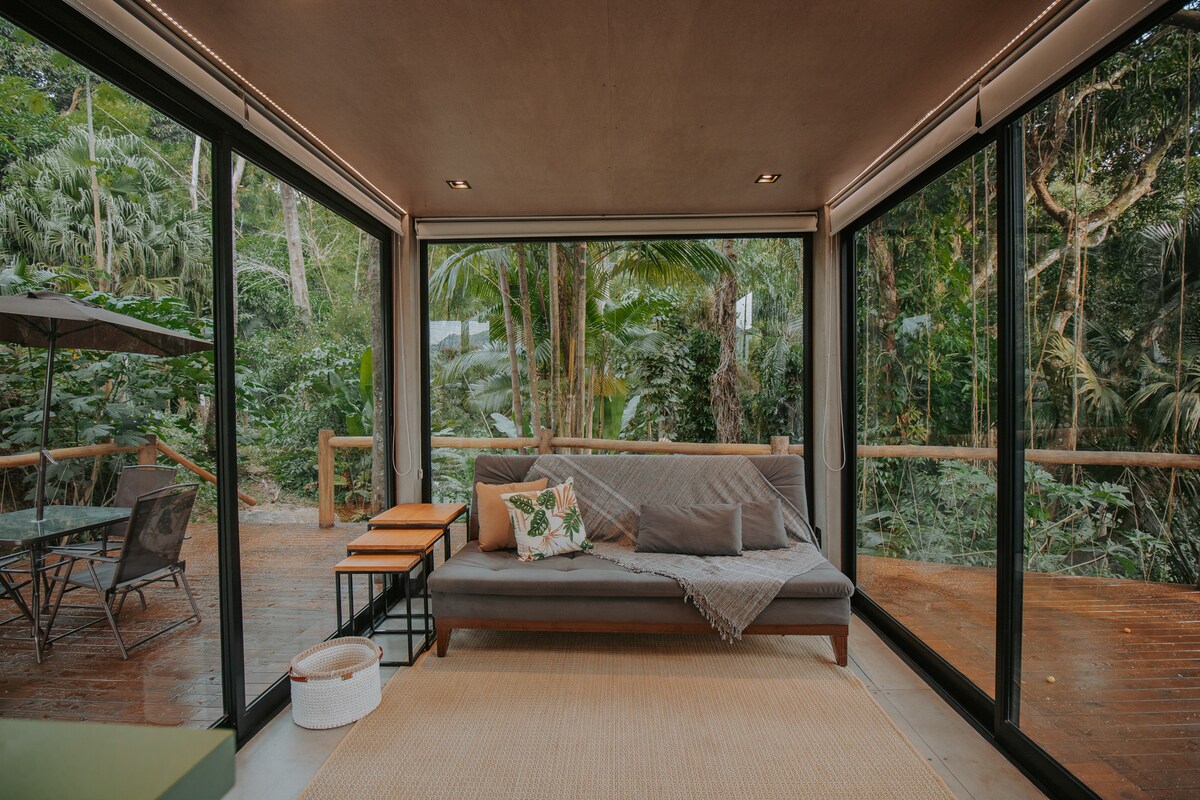
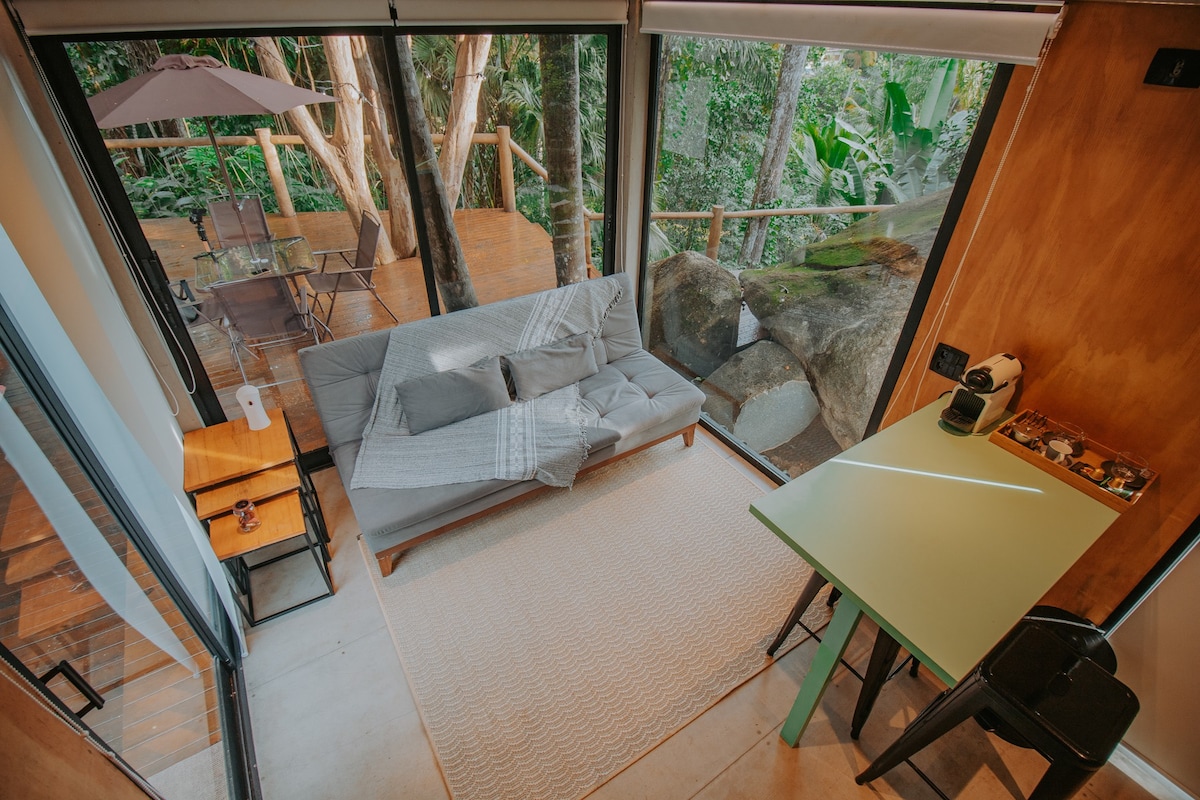
At Casa Natu Ilhabela, experience total interaction with nature from inside the Studios, surrounded by glass. The Studios are fully individualized, offering a cozy and modern atmosphere. Enjoy the private hydromassage on the bedroom balcony with an incredible view. The space The Studio features two floors: the ground floor includes a living room with a sofa…
At Casa Natu Ilhabela, experience total interaction with nature from inside the Studios, surrounded by glass. Each Studio is fully individualized, offering a cozy and modern atmosphere. The whirlpool on the bedroom balcony allows you to relax with an incredible view. The space consists of 2 floors: on the ground floor, a living room with a sofa bed and a…
At Casa Natu Ilhabela, experience total interaction with nature from inside the Studios, surrounded by glass. The Studios are fully individualized, offering a cozy and modern atmosphere. The whirlpool on the bedroom balcony allows you to relax with an incredible view. The space The Studio consists of 2 floors. On the ground floor, there is a living room…
Quick answer: what travelers need to know about Ilhabela accommodation
Ilhabela is an independent municipality and archipelago in the State of São Paulo. It’s a tourism-first economy where accommodation options range from guesthouses (pousadas) and small hotels in the town center to self-catering villas and seasonal vacation rentals around the island. The arrival route is via the São Sebastião–Ilhabela ferry (travessia); this single physical access point often dictates logistics, arrival times, and planning for car-based guests. Official municipal pages and state ferry programmes are the most reliable sources for operational notices and travessia capacity changes. ([ilhabela.sp.gov.br](source))
Choosing where to stay depends on what you plan to do. For beaches and quick access to restaurants, the main town (Vila) and Perequê neighborhoods are practical. For a quieter, nature-focused stay with forest access and trailheads, look to the north and east coasts or the interior near the Parque Estadual de Ilhabela. If you need regular vehicle use while on the island, bear in mind parking and narrow roads in some coastal areas. Booking platforms and local accommodation directories list a wide range of lodging but availability varies across seasons. ([ilhabela.com.br](source))
Timing and transport affect the stay cost and experience. High season (spring–summer) brings warmer weather, more services operating, and bigger crowds — which is great for beach days but harder on ferry crossings and availability. Shoulder months offer milder weather, fewer people, and more flexible lodging choices. For operational updates, ferry capacity and municipal advisories, check Travessias Litorâneas and the Ilhabela municipal site before departure. ([travessiaslitoraneas.sp.gov.br](source))
Confirming the place: Ilhabela’s municipal status and what that means for travelers
Ilhabela is officially a municipality in São Paulo state and operates its own local government (Prefeitura Municipal de Ilhabela). That matters for travelers because municipal services (tourism information, signage, events, and some transport coordination) come from the island’s government rather than a neighbouring mainland city. Municipal pages provide practical visitor information—how to reach the island, local regulations, and seasonal guidance—so they’re a primary reference before booking. ([ilhabela.sp.gov.br](source))
For statistical and planning questions—population, area or economic snapshots—IBGE is the authoritative source. IBGE’s city profile for Ilhabela contains census figures (reference date 1 Jul 2022) and other standardized metrics used by planners and researchers; use these when you need verified numerical facts about the municipality. Local tourism organisations will often complement IBGE with current event calendars and hospitality initiatives. ([ibge.gov.br](source))
Because Ilhabela is an island municipality with a single regular car/passenger access via ferry from São Sebastião, municipal and state-level transport decisions directly affect visitor flows. The island periodically coordinates with São Sebastião and state agencies to manage the travessia; those notices (changes to boarding rules, vessel availability or road works) come from municipal press releases or the state Travessias Litorâneas programme. Check them for up-to-date operational advice. ([ilhabela.sp.gov.br](source))
Where to stay: neighbourhoods, beaches and what each delivers
Vila (the town centre) and Perequê: best for convenience. The town centre (Vila) and nearby Perequê district concentrate restaurants, bars, ferry access points and medical/retail services. They’re the most practical base if you want walkable night options, easy access to departure points and many small pousadas or urban apartments. Expect noisy streets on event nights and holiday weekends, but quick access to facilities. Booking platforms list numerous town-centre options—ideal for travellers prioritising convenience. ([booking.com](source))
Praias do litoral (beach strip stays): comfort and seaside access. Beaches with established visitor infrastructure—such as Praia do Curral, Praia Grande and the Perequê area—offer a range of beachfront pousadas, villas and family-run inns. These areas are popular for day planning: swimming, water sports and easy access to local boat tours. Beachfront units can book early during peak months; for family travel or beach-focused stays, these zones reduce daily driving and maximise sea time. ([ilhabela.com.br](source))
Castelhanos and northern beaches: remote and nature-oriented. If you want remote sandbanks, larger nature reserves and less development, the east coast (Praia do Bonete, Castelhanos) and northern peninsulas offer lodgings that are quieter and closer to trails and waterfalls. Access may require an off-road transfer (4x4) or boat on many days, and some remote lodgings function like small ecolodges with limited services—choose these if you prioritise seclusion and hiking over nightlife. ([tripadvisor.com](source))
Types of accommodation and how to choose (pousadas, holiday rentals, villas)
Pousadas and guesthouses: intimate, local service. Pousadas are small inns or guesthouses—often family-run—with breakfast and local host knowledge included. They cluster in town and along popular beaches and suit couples or travellers who prefer concierge-style local recommendations. For authenticity and local service, read the property’s specific listing notes on cancellation and house rules before booking. Global platforms aggregate these offers alongside independent local directories. ([booking.com](source))
Vacation rentals and villas: space and self-catering. Vacation rentals (private houses, villas, or apartments) are common and ideal for families, groups or longer stays that want kitchen facilities and private outdoor space. Many are listed on large consumer platforms and local property directories; they vary in amenities (parking, pool, beach access) and local rules about short-term rentals, so verify policies and any municipal requirements for extended stays. Booking early for peak season is recommended. ([airbnb.com](source))
Boutique hotels and hostels: niche and budget. For lower-budget travellers or those seeking a small boutique experience, several hostels and boutique hotels operate within walking distance of the town centre and beaches. These can be social, lower-cost alternatives but may offer fewer on-site services than pousadas or full-service hotels. Check recent availability on competitive platforms and local listings to compare actual amenities and proximity to your planned activities. ([booking.com](source))
Getting there and around: ferries, roads and local transit
Mainland access: São Sebastião is the gateway. All vehicle and many passenger arrivals come via São Sebastião by road from São Paulo and by bus lines that serve the Vale do Paraíba and Litoral Norte. The final step is the ferry (travessia) across the channel. The São Sebastião municipal site and the Travessias Litorâneas programme publish operational data and announcements, which you should consult before departure particularly in high season. ([saosebastiao.sp.gov.br](source))
Ferry details and practicalities. Travessias Litorâneas confirms vessels dedicated to the São Sebastião–Ilhabela line; boarding and capacity can change based on demand and state-level investments to modernize the fleet. Wait times may be long during holidays—arrive early and have contingency plans if your schedule is tight. Neither the island nor the ferry service guarantees immediate passage during peak congestion. ([travessiaslitoraneas.sp.gov.br](source))
On-island mobility. Once on Ilhabela, you’ll use a mix of local buses, taxis, motorcycle taxis in some areas, and rental cars. Roads exist around the southern and western coasts; the interior and east coast have dirt roads and narrower tracks. If you depend on frequent shore-to-trail transfers, choose accommodation close to trailheads or that offers transfer services. Many villas include private parking, but in the town centre parking can be constrained during events—confirm parking details with hosts. ([ilhabela.sp.gov.br](source))
Activities and what to plan for from an accommodation perspective
Beach days vs. forest days: pack smart. Ilhabela rewards a split itinerary: beach mornings and trail or waterfall afternoons. If you plan multiple beach days, choose an accommodation with beach access or nearby parking for day luggage and sunshade. For nature-focused stays with hiking and waterfall visits, consider lodgings closer to trailheads or that can arrange local guide services—especially if you seek climbs like the trilhas to the Parque Estadual de Ilhabela. ([tripadvisor.com](source))
Boat trips and water sports: proximity matters. If boat tours, fishing charters or sailing events are priorities, base yourself near marinas or Perequê where private operators and tour pick-up points concentrate. Some villas and pousadas coordinate private boat transfers and have partnerships with local operators—ask ahead about meeting points and any extra equipment storage. Timing boat trips early in the day avoids afternoon winds which can stir the bay. ([sivilhabela.com.br](source))
Events and seasonal planning. Ilhabela hosts major nautical and cultural events (for example international sailing weeks) that bring crowds and spike lodging demand. If you plan to attend a named festival, book well in advance and verify any local transport constraints around the event. Conversely, off-season visitors will find quieter marinas and easier access to trailheads and remote beaches. Municipal event calendars and tourism pages list confirmed dates close to events—always confirm the current year’s schedule before making non-refundable arrangements. ([sivilhabela.com.br](source))
Price, booking strategy and platforms to consider
Where to search — global and local channels. Major global platforms (Airbnb, Booking.com, Vrbo) list a wide selection of Ilhabela lodging and are useful for filtering by amenity, cancellation policy and guest capacity. Local directories and the island’s accommodation listings also surface guesthouses and independent pousadas not always visible on large sites—check both types to compare prices and unique local stays. Use platform filters for essentials like parking, beachfront or host availability. ([airbnb.com](source))
Timing and price patterns. Peak-season rates typically climb: December–February and long holiday weekends are the priciest periods. If your dates are flexible, consider shoulder months (April–June, September) for lower nightly rates and better availability. When comparing prices, verify whether cleaning, service fees or local taxes are included; some platforms show base nightly rates that increase substantially after fees. Booking windows vary by property—pousadas often have more flexible short-notice availability, while desirable villas can require months of lead time. ([booking.com](source))
Cancellation and local rules. Short-term rental regulations vary and may affect cancellation policies or local service availability. Always read the accommodation’s house rules, cancellation terms and host-provided arrival instructions (especially ferry boarding advice or suggested arrival times). For stays that require vehicle transfer or late arrivals, communicate clearly with hosts about pull-in times and local parking logistics. Municipal pages sometimes publish rules for commercial hospitality; consult them if you’re considering business-group bookings. ([ilhabela.sp.gov.br](source))
Health, safety and sustainability considerations when choosing a unit
Medical and emergency services. Ilhabela’s town centre hosts the primary health facilities; if you depend on immediate medical support, choose accommodation close to Vila or Perequê. Remote beaches and interior lodgings have slower emergency response times due to road conditions; confirm first-aid access and host emergency procedures on arrival. Municipal pages list basic health infrastructure and are the right place for official updates. ([ilhabela.sp.gov.br](source))
Environmental rules and protected areas. A significant part of Ilhabela is protected as Parque Estadual de Ilhabela and other conservation units; accommodations near protected areas must comply with environmental regulations and may limit waste disposal, campfires, or construction. Eco-minded travellers should prefer hosts that communicate compliance and sustainable practices. Municipal tourism and state environment agencies provide details of protected zones and visitor rules. ([ilhabela.sp.gov.br](source))
Responsible travel and local community impact. Ilhabela’s calendar and transport bottlenecks mean visitor behavior influences resident quality of life. Consider limiting single-use plastics, using local services and observing noise rules in residential zones. Many pousadas and local hosts will brief guests on community norms—ask what the host recommends for respectful local behavior and low-impact visits. ([ilhabela.com.br](source))
Ilhabela travel facts and current statistics
Population (IBGE): Population 35,000 (Census reference 1 Jul 2022, Ilhabela municipality). — Ilhabela (municipal)., Census 2022, reference date 1 Jul 2022. Source
Ferry fleet (state): Travessias Litorâneas: three vessels assigned to São Sebastião–Ilhabela service (fleet update reported 2024–2025). — Regional (São Paulo state travessias)., Site current programme, 2024–2025. Source
What travelers consistently mention about Ilhabela
Ferry access and wait times affect arrival experience
Across municipal and state notices and traveler boards, the recurring theme is that the São Sebastião–Ilhabela travessia is the single access point for most arrivals and can generate long queues during high season and events. Travelers say planning arrival times early in the day and checking official state/municipal advisories reduces uncertainty; hosts sometimes advise staggered arrivals or pre-booked ferry arrangements when available. ([travessiaslitoraneas.sp.gov.br](source))
Wide range of inventory but seasonal scarcity of preferred villas and beachfront units
Major platforms and local directories show a broad spectrum of lodging, but listings and local guides consistently note that high-demand beachfront villas and larger group properties can be fully booked months in advance for December–February and long weekends. Booking early and comparing global platforms with local directories is the advised strategy. ([airbnb.com](source))
Local services, narrow roads and parking vary by neighborhood
Traveler accounts and municipal guidance point to compact urban centres, narrow coastal roads and limited parking in some popular beaches. Guests seeking frequent driving during their stay should prioritise accommodations that explicitly include parking or close proximity to their planned activities to reduce daily relocation time. ([ilhabela.sp.gov.br](source))
Frequently asked questions about Ilhabela stays
What is the fastest way to reach Ilhabela from São Paulo and how long does it take?
The most direct route from São Paulo city is by car or bus to São Sebastião, then the vehicle/person ferry (travessia) across to Ilhabela. Driving time from central São Paulo to São Sebastião varies with traffic but is typically about 2.5–3.5 hours outside major holiday peaks; the balsa crossing itself takes roughly 10–30 minutes depending on queue and vessel schedules. Ferry operations and capacity are controlled by state programs and local operators; during high season or major events wait times can extend substantially. Confirm the current travessia schedule and any reservation requirements with the official Travessias Litorâneas or the São Sebastião / Ilhabela municipal pages before travel. ([travessiaslitoraneas.sp.gov.br](source))
When is the best time to book Ilhabela accommodation to avoid crowds and heavy traffic?
Ilhabela’s high season runs from September through March (spring to summer), with the greatest visitor pressure on long holiday weekends and December–February. To avoid ferry queues and fully booked properties, book at least 60–90 days in advance for stays during December–February and major Brazilian holidays; for other months, 14–30 days may suffice. Local municipal advice indicates peak weather (warmer, wetter) aligns with this period, and official guidance notes heavier demand during these months. Check property availability early if you require a specific neighborhood or waterfront access. ([ilhabela.sp.gov.br](source))
Is Ilhabela a municipality or part of another city?
Ilhabela is an independent municipality in the State of São Paulo, officially the Município da Estância Balneária de Ilhabela. It is an archipelago municipality whose urban center is on the main island; municipal government and official tourism services are provided by Prefeitura Municipal de Ilhabela. For statistical purposes, IBGE lists Ilhabela as its own municipality with population and census data. ([ilhabela.sp.gov.br](source))
Can I bring my car to Ilhabela, and do I need to reserve a ferry slot?
Yes — most visitors bring cars via the vehicle ferry from São Sebastião. The crossing operates regularly but capacity and boarding priority rules can change, and during busy periods lines can be long. Local authorities and the state’s Travessias Litorâneas programme manage the vessels; recent municipal notices and state updates discuss operational changes and investments to improve capacity. If you travel in peak season or on long weekends, plan earlier departures and consult São Sebastião or Travessias Litorâneas for reservation or priority information. ([travessiaslitoraneas.sp.gov.br](source))
What types of places to stay are common in Ilhabela?
Ilhabela offers a broad mix of accommodations: small guesthouses and pousadas near the town center, family-run beachfront pousadas, self-catering holiday homes and villas, boutique hotels, hostels, and many private vacation rentals listed on major platforms. The island’s lodging stock ranges from budget to upscale; independent local booking sites and global platforms (Airbnb, Booking.com) are active channels for finding units. Property choice often depends on whether you want beach access, forest proximity, or an island-center location. ([booking.com](source))
Sources and review notes
Reviewed 2026-08-26. Verify current schedules, prices and access at the source.