Population (Census 2021): 3,175 (2021) — population of Grad Pag (municipality).
Town/municipality (Grad Pag), Croatia, Popis 2021., 2021. View source
Import once
Turn your Airbnb or Booking.com listing into a direct booking website and guest guide.
Island town & family-friendly beaches
This Pag destination guide explains where to stay, how to reach Pag, local transport facts, neighbourhood choices and practical booking advice. It draws on official municipal and tourist-board resources plus mainstream accommodation platforms and transport operators to help you select the right holiday rental or villa for your trip. Pag is a small historic Adriatic town on the island of Pag (Zadar County) that pairs a compact medieval Old Town with nearby sandy and pebble beaches, saltworks history and an islandwide network of quieter coves and resort villages. For travellers seeking coastal walking, traditional gastronomy (cheese, salt, paška čipka lace) and holiday rentals that range from Old Town apartments to family villas, Pag offers a concentrated, convenient base. The town is also well connected by the Prizna–Žigljen ferry and a road bridge to the mainland, making it a practical stop for island-hopping in northern Dalmatia.
Featured real stay
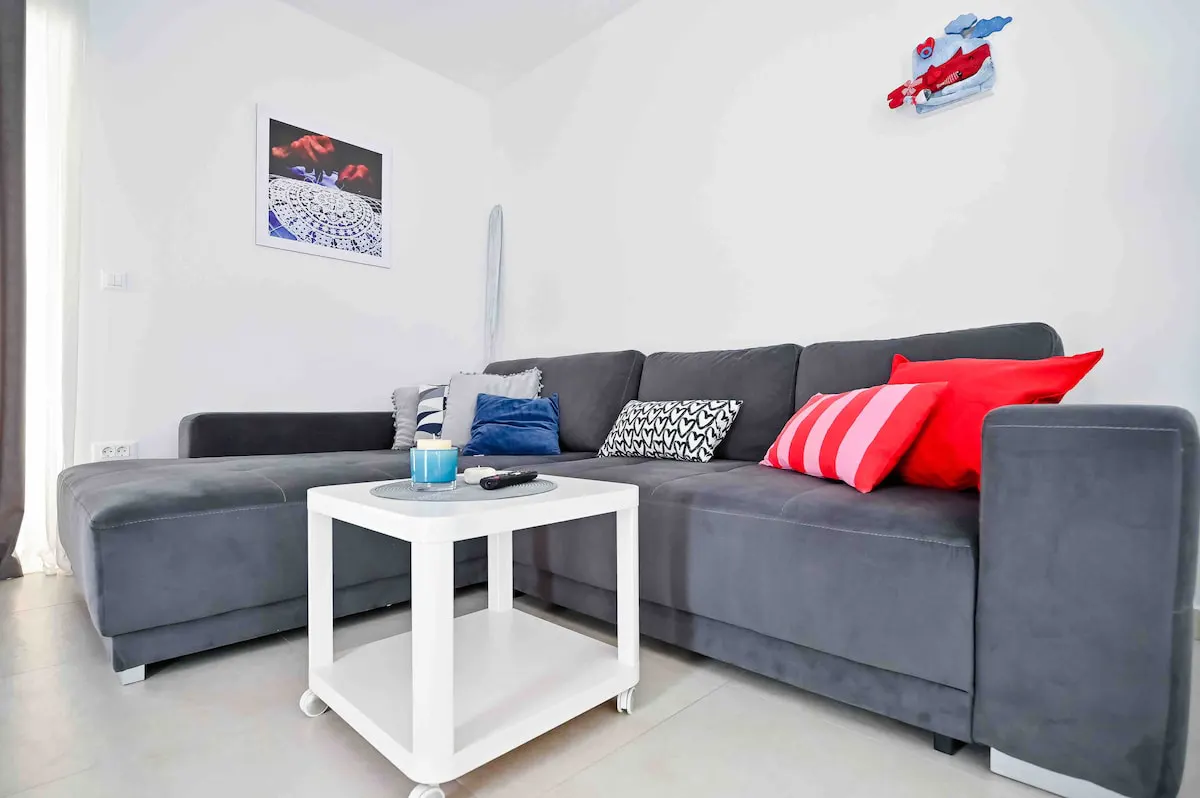
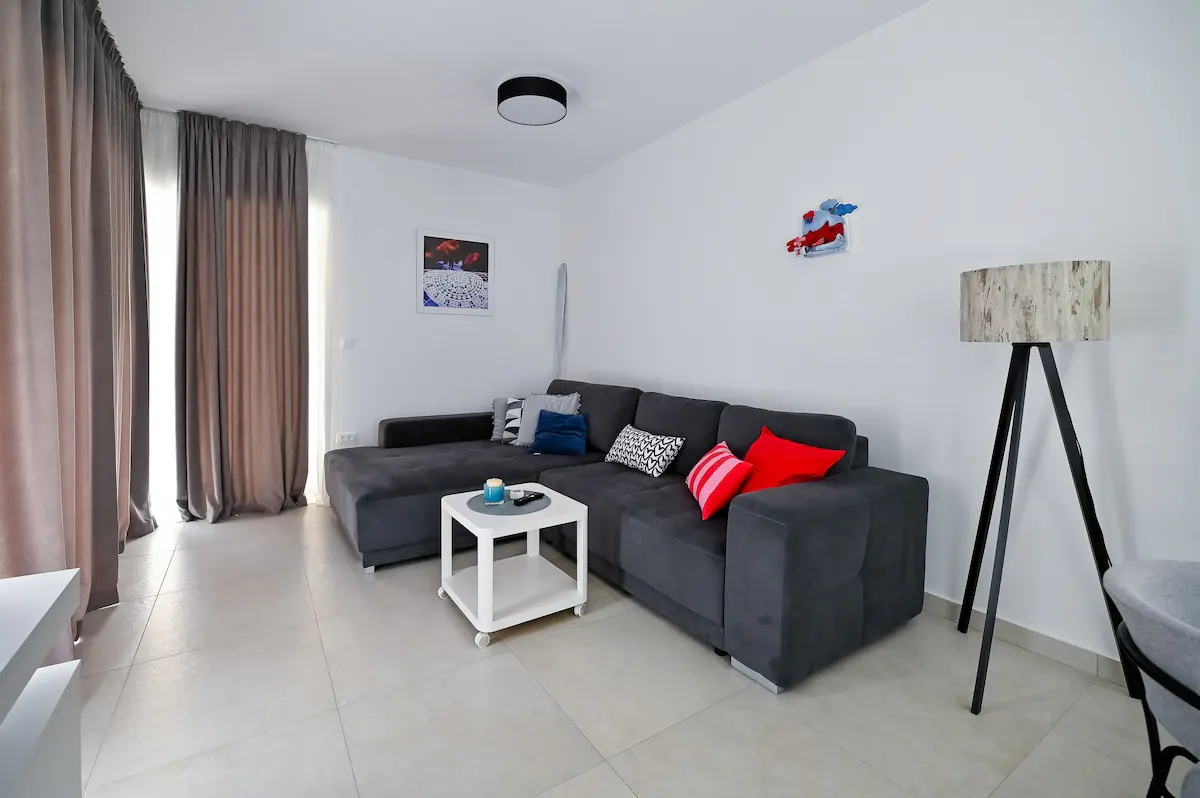
Apartment Festini is situated in the center of Pag. Guests have access to a fully equipped kitchen, a flat-screen TV, 3 bedrooms, 2.5 bathrooms, and a living room. Free private parking is available with an Electric Vehicle Charging Station. Here, you'll be met by friendly people, excellent local food, untouched nature, and secluded beaches. From the moment…
Indicative price from €150 per night. Verify dates, fees, currency and terms on the property website.
Pag is a small historic Adriatic town on the island of Pag (Zadar County) that pairs a compact medieval Old Town with nearby sandy and pebble beaches, saltworks history and an islandwide network of quieter coves and resort villages. For travellers seeking coastal walking, traditional gastronomy (cheese, salt, paška čipka lace) and holiday rentals that range from Old Town apartments to family villas, Pag offers a concentrated, convenient base. The town is also well connected by the Prizna–Žigljen ferry and a road bridge to the mainland, making it a practical stop for island-hopping in northern Dalmatia.
Pag is especially useful if you want a blend of culture and beach life without the constant festival atmosphere of Novalja’s Zrće Beach; it serves families and couples who prefer accessible historic sights by day and seaside restaurants at night. The accommodation stock is mixed: compact apartments in the Stari Grad, seaside holiday homes in Bošana and Šimuni, and rural houses in neighbouring settlements. The tourist board and town website maintain up-to-date local events and municipal notices, which is useful for planning.
Because Pag sits in Zadar County, you can reach it by ferry (Prizna–Žigljen) or by road via the Pag Bridge; Jadrolinija publishes the official ferry routes and fares. The island is also a practical base for day trips into the Zadar hinterland, saltworks visits and short boat excursions between Dalmatian islands.
Pag refers to both an island and the town of Pag on the island’s southeastern coast. Administratively the town is Grad Pag, part of Zadar County in northern Dalmatia. The island itself is split between two counties; the town of Pag and the southern part belong to Zadar County. This matters for services, emergency contacts and regional transport planning because county-level authorities (Zadar County) publish many infrastructure and tourism updates.
The town’s historic core—Stari Grad Pag—is the visible heart: planned in the 15th century, it retains a medieval urban grid around a central square and features local museums, salt works references and a compact harbour. The municipality includes several nearby villages (for example Bošana, Dinjiška, Šimuni) which host many holiday rentals and beach options outside the core.
When searching or booking, use the town name “Pag” plus Zadar County to avoid confusion with Novalja (a different town on the same island) or other settlements. Official municipal information and tourism calendars are published by the town at pag.hr and the Pag Tourist Board at visitpag.hr.
Ferry: The primary car ferry connecting the Croatian mainland to Pag is the Prizna–Žigljen (line No. 335) operated by Jadrolinija; the crossing link is short but schedules and fares are published by the operator and may change seasonally. In summer sailings increase and it’s wise to allow extra time for terminal queues and boarding. The Žigljen ferry port sits on Pag’s northern shore—accessible by road to the town of Pag many kilometres to the south.
Road: Pag is reachable year-round by road across the Pag Bridge, which connects the island to the mainland and is generally the fastest route from southern or central Dalmatia by car. From Zadar (county seat) the drive to the town of Pag is typically roughly 1–1.5 hours depending on traffic and chosen route; exact driving times depend on where you board the island and local road conditions.
Air travel and transfers: The nearest major airport is Zadar (ZAD); from Zadar you can rent a car or take regional buses that connect to Prizna or Pag Bridge routes. For travellers arriving at Split or Zagreb airports, expect longer transfer times by road; check domestic bus operators and seasonal airport shuttle services. For up-to-date timetables and fares always consult official operator websites before travel.
Stari Grad (Old Town) — best for history and convenience: If your priority is walkable access to restaurants, small shops and the town’s historic sights, choose an Old Town apartment. These tend to be compact, well-located and ideal for couples or small families who prefer being within steps of the main square and seafront promenade.
Bošana & Šimuni — beaches and family villas: These areas have more modern beachfront developments and standalone family houses. Bošana, to the northwest of the Old Town, features stretches of beach and a selection of holiday houses and apartments suited to families who want more space and outdoor terraces. Šimuni and Dinjiška offer larger properties and easier parking for guests with vehicles.
Rural villages and coves — self-catering villas: If you want privacy, look at the island’s quieter settlements (Vlašići, Dinjiška). Many villa-style rentals include private terraces, small gardens and direct access to rocky coves. Keep in mind that services and restaurants can be farther away, so plan logistics in advance (groceries, check-in times). The live inventory of Host‑Pilot Stays will render available properties separately.
Historical walking and cultural visits: Explore the Old Town’s compact grid, the main square, churches and small museums that explain Pag’s salt and lace heritage. The Solana Pag saltworks (near the town) are central to the island’s identity and can be visited for context on centuries-long salt production that shaped local trade and cuisine.
Beaches and seaside activities: Pag has a mixture of pebble, sand and rocky beaches. For family-friendly sand and gentle sea access select Bošana and some beaches near Šimuni; for more secluded bathing try smaller coves reached by car. Swimming, paddleboarding and small boat hire are common in peak season through local providers.
Day trips: From Pag you can plan short trips to Zadar for Roman/medieval heritage and flight connections, or head north to Novalja and the famous Zrće Beach if you want livelier nightlife and music events. Boat trips for island-hopping in northern Dalmatia can be arranged through local operators—timing and availability are seasonal so check local tour providers before travel.
Money and payments: Pag town has ATMs, small supermarkets, bakeries and currency exchange points; many businesses accept cards but small vendors and markets may prefer cash—carry some euros or kuna as a backup depending on your card provider. For large purchases or specialised medical help the nearest full-service facilities are in Zadar.
Health and emergency services: Pag has local health services and pharmacies for minor needs; for hospital-level care Zadar’s county hospital is the regional referral. Bring any prescription medicines in original packaging and check travel insurance coverage for medical repatriation or specialist treatment. Municipal and tourist-board sites provide emergency contacts and seasonal clinic hours.
Local customs and practicalities: The island’s traditional products include Pag cheese and Paška čipka (lace), often sold locally; respect opening hours, particularly off-season. In summer, allow extra travel time for ferry terminals and busy roads. If you rent a car, confirm parking arrangements with your host—Old Town parking is limited and some properties provide private spaces outside the historic core.
Theme 1 — Location trade-offs between Old Town convenience and seaside space: Multiple accommodation platforms and destination guides indicate guests consistently choose Old Town apartments for proximity to restaurants and sights, while families or groups often prefer seaside villas in Bošana or Šimuni for space and direct beach access. This pattern is evident across listings on Booking.com and Airbnb, and is reflected in local guide recommendations. (Supporting sources: Booking.com; Airbnb; Visit Pag / tourist board).
Theme 2 — Limited high-season transport windows: Reviews and transport guides emphasise that ferry crossings (Prizna–Žigljen) and island roads can be congested during July–August, influencing check-in planning and arrival times. Several transport timetables and regional travel pages highlight the need to plan around ferry capacity and seasonal timetable changes. (Supporting sources: Jadrolinija timetable PDF; Prizna–Žigljen timetable pages).
Theme 3 — Authentic local gastronomy and small-scale hospitality: Local guide pages and tourist board materials characterise Pag as strong on traditional food—salted products and Pag cheese—and small family-run guesthouses and apartments. That hospitality style suits travellers seeking local experiences rather than large resort amenities. (Supporting sources: Visit Pag tourist board; Visit Croatia destination guide; municipal pages).
General safety: Pag is a low-crime tourist town typical of Croatian Adriatic settlements. Standard European travel precautions apply—watch personal belongings in crowded summer areas and follow local signage on beaches and coastal paths. For marine activities, use licensed operators and check weather forecasts; lifeguard coverage varies by beach and season.
Regulations and local rules: Respect protected areas, private property and harvested lands around saltworks. Some natural coves and access roads are privately managed—confirm public access with your host before planning a walk or picnic. Pet policies and noise restrictions are enforced differently across properties—check house rules before booking.
Legal and emergency contacts: Official municipal pages and the Pag tourist board publish updated emergency numbers, pharmacy hours and local administrative contacts. For medical emergencies the regional hospital in Zadar is the primary referral centre. Keep a copy of your booking confirmation and host contact for smooth check-in and local queries.
Match location to intent: Use the Old Town for cultural access and walkability, Bošana/Šimuni for beach proximity and family needs, and outlying villages for quieter villa stays. If you plan multiple day trips or intend to use a car, prioritise renting in a neighbourhood with available parking.
Confirm practical details with hosts: Before booking, check bed configurations, check-in/check-out procedures, parking availability, whether linens and towels are provided, and the property’s distance to the nearest supermarket or the Old Town. For ferry-arrival guests, request flexible check-in windows because ferry delays are possible in peak months.
Use official and multiple sources: Compare the live Host‑Pilot Stays inventory with mainstream platforms (Booking.com, Airbnb) and the tourist board’s accommodation listings to validate amenities and cancellation terms. If you require special services (airport transfer, baby equipment, accessible entry), contact the property manager directly and request written confirmation.
Town/municipality (Grad Pag), Croatia, Popis 2021., 2021. View source
Transport, Prizna (mainland) – Žigljen (island Pag)., 2026. View source
These are source-attributed themes summarized across current public travel and accommodation material—not Host-Pilot reviews, ratings or testimonials.
Guests commonly choose Old Town apartments for walkable cultural access and seaside restaurants, while families and groups often prefer seaside houses in Bošana or Šimuni for more space and direct beach access. Choose your neighbourhood based on priorities: proximity to sights vs private outdoor space.
Transport pages and timetables show increased sailings and seasonal fare changes; in peak months expect higher demand and occasional terminal queues. Plan arrival times and allow buffer for ferry boarding and local traffic.
Official tourist and municipal sources highlight Pag’s culinary identity—Paški sir (Pag cheese), salt heritage and traditional lace—mirrored by small, family-run accommodation options that prioritise local hospitality and authentic experiences.
The main vehicle ferry runs between Prizna (mainland) and Žigljen (island Pag) with multiple daily sailings in high season; Jadrolinija is the national operator that publishes timetables and fares. Drive to the Prizna terminal, board the short car ferry to Žigljen, then follow the island road south to the town of Pag (about 25–40 minutes depending on your arrival point). There are also regional bus connections from Zadar and other Dalmatian towns; check current bus and ferry schedules before travel. For international arrivals, the nearest major airport is Zadar (ZAD) with onward car or bus transfer to Prizna or direct road route across the Pag Bridge (open year-round). (Primary keyword used: Pag accommodation).
For first-time visitors seeking central history and restaurants, Pag’s Old Town (Stari Grad) is the most convenient: narrow lanes, the main square, churches, and beach fringes. For quieter family-friendly beaches and villa options, Bošana and Šimuni offer seaside stretches and more modern holiday complexes. For scenic solitude and nature access look toward the island’s eastern coves (e.g., Dinjiška, Vlašići). Each neighbourhood has different supply—Old Town has more apartments; Bošana/Šimuni and surrounding villages have standalone holiday houses and villas. Choose based on whether you prioritise nightlife, beach proximity, or a calm seaside setting. (Primary keyword used: Pag accommodation).
Pag island overall has diverse offerings. The town of Pag itself leans historic and family-friendly with beaches that are suitable for children, saltworks museum experiences, and daytime markets. Nearby Novalja (15–25 km north by road) includes Zrće Beach, famed for nightlife and festivals—so urban Pag and northern Novalja serve different traveller profiles. Families can base in Pag town or Bošana for calmer seaside stays and day trips to more active areas as desired.
Book early for July–August (peak season), ideally 3–6 months in advance for popular dates. Shoulder seasons—May–June and September—offer milder weather, more availability and lower prices while retaining good swimming conditions. Winter months have limited tourism services; some rentals remain open but many host calendars close for the low season. Always confirm booking terms and cancellation policy directly with the accommodation platform or owner.
Having a car or motorbike is the most flexible option to explore Pag Island’s beaches, salt fields and rural coves; public buses connect main settlements and the ferry, but services are less frequent than in larger Croatian cities. If you plan only to stay inside Pag town and nearby beaches, you can manage without a car using local taxis and seasonal shuttle buses; for island-wide exploration a vehicle is recommended.
Pag town’s Old Town has historic streets with cobbles and narrow alleys which can be uneven and present challenges for wheelchairs and mobility-impaired travellers. Modern accommodation options around Bošana and some seaside resorts have ground-floor or lift-access apartments—check property descriptions and contact hosts for specifics about step-free entry, bathroom handrails and parking. Public infrastructure and beach access vary; the tourist board can provide up-to-date accessibility details.
Pag town has grocery stores, small supermarkets, bakeries, pharmacies and ATMs in or near the Old Town. During peak season most services extend opening hours; in low season some shops and eateries may have restricted hours. If you require specialised medical care or larger retail selections, Zadar (the county seat) has full hospital services and supermarkets and is about a 1–1.5 hour drive depending on route.
Reviewed 2026-10-02. Current schedules, access and prices should be verified at the source.