Vacation rental inventory (platform): 35 vacation rentals found in Port de Grave (Vrbo search result).
Port de Grave (local), crawled 2026-08-25. View source
Import once
Turn your Airbnb or Booking.com listing into a direct booking website and guest guide.
Port de Grave peninsula travel guide
Port de Grave is a quiet coastal peninsula on Conception Bay where self-catered vacation rentals and small owner‑run cottages dominate the accommodation scene. This guide covers where Port de Grave is, how to arrive, the kinds of places to stay, practical booking tips, nearby services, and the local sights that make the peninsula worth choosing for a restful, maritime-focused visit. It is conservative in municipal identification (Port de Grave is a multi-community peninsula within Statistics Canada Division No. 1, Subdivision L), cites official transport and statistics sources, and summarises recurring traveller feedback so you can plan confidently for a low‑key, authentic Newfoundland stay.
Featured real stay
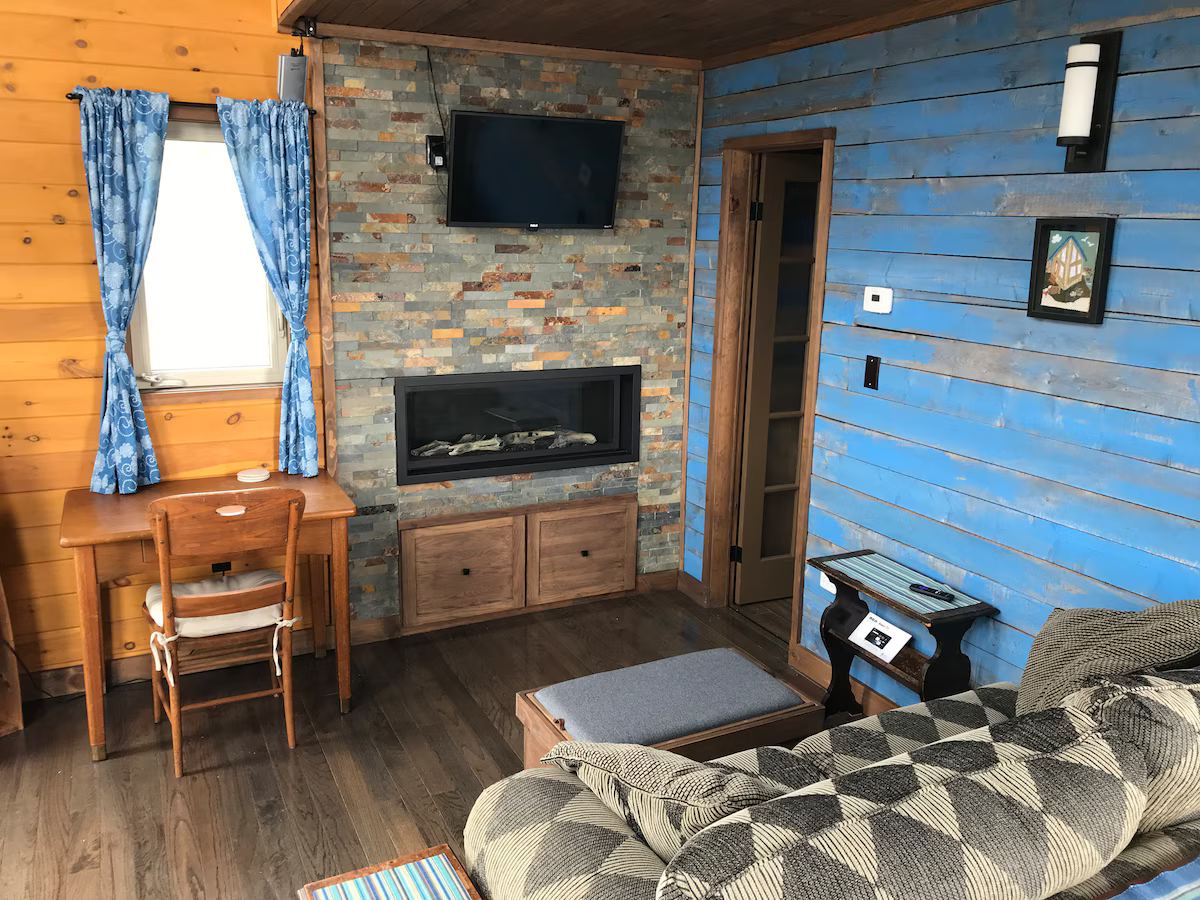
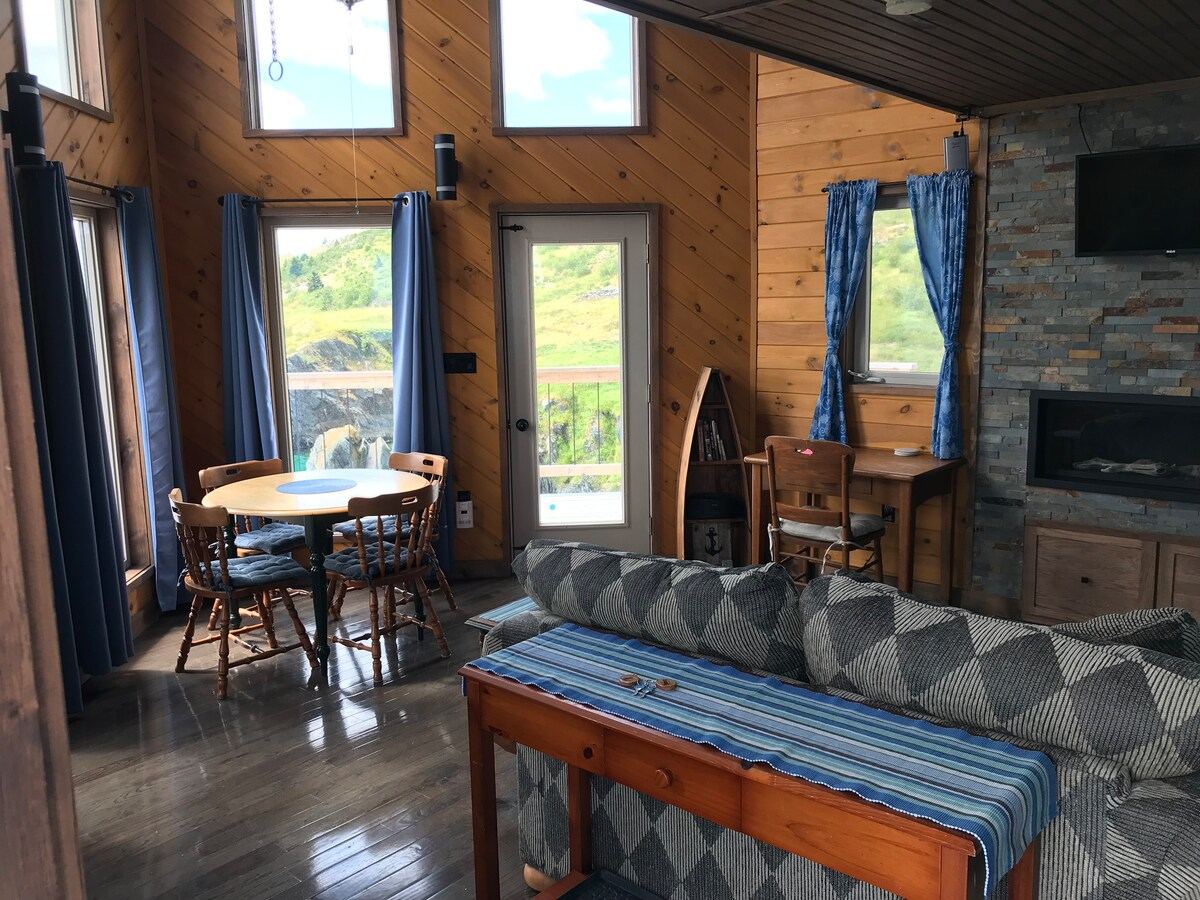
It's All About The View! Whales, Tuna, Dolphins, Eagles, Seals, and many more have been seen from the deck here at Sandy Cove Chalets. Perched 75' above the ocean, you'll see all the action on the Bay! The Blue at Sandy Cove Chalets is a cozy mini chalet that everyone falls in love with immediately! With a loft bedroom, you can see the sparkling light of…
Indicative price from €150 per night. Verify dates, fees, currency and terms on the property website.
Port de Grave is a coastal collection of small communities on the Port de Grave Peninsula that rewards visitors looking for quiet shoreside stays, working-harbour character and maritime heritage. Vacation rentals here tend to be privately owned cottages and whole-home listings with harbour or ocean views; they suit travellers who want self-catered stays, direct shoreline access and a low-key base for exploring Conception Bay North. The immediate appeal is pace and place: short walks to fishing stages, harbourfront outlooks and centuries of fishery history visible in buildings and local museums.
Choosing Port de Grave also means accepting rural convenience over urban amenities. Grocery shops, restaurants and most services are concentrated in neighbouring towns such as Bay Roberts and Clarke’s Beach; many guests therefore prefer rentals with full kitchens, reliable heating and on-site parking. Visitors who make this practical adjustment are rewarded with clear skies, dramatic coastal light and living local traditions such as the Peninsula’s community events.
Finally, Port de Grave fits well into a wider Newfoundland itinerary: it’s a manageable detour from St. John’s or a pleasant stop when touring Conception Bay North. For travellers who prioritise privacy, natural soundscapes and maritime culture, Port de Grave’s rental options are an attractive, often more affordable alternative to busier eastern Newfoundland destinations.
Port de Grave is a geographic peninsula on the west side of Conception Bay, on the Avalon Peninsula of Newfoundland and Labrador. The name describes both the peninsula and several small communities clustered along its shore — some local references group Port de Grave with neighbouring settlements such as Ship Cove, Hibbs Cove and Bareneed. For national statistical purposes Port de Grave sits within Statistics Canada’s Division No. 1, Subdivision L; this classification helps when checking census, planning and legal descriptions for the area.
Because Port de Grave is not a single incorporated city but a peninsula of linked communities, accommodation and service distribution is decentralized. Hosts who rent homes here use the peninsula or the nearest postal/local town on booking platforms, so you may see listings labelled “Port de Grave,” “Port de Grave Peninsula,” or the names of the specific small communities. That decentralised character is part of the place’s charm but also explains why some services (healthcare, banks, supermarkets) are hosted in the larger nearby towns.
Road access across the peninsula is via provincial Route 72 (Port de Grave Road) which connects to Route 70 and the Trans-Canada corridors inland. Distances are short but towns are small; visitors should plan logistics (shopping, fuel, medical needs) in Bay Roberts and Clarke’s Beach as a practical routine during a stay. Local heritage organisations help preserve and interpret the peninsula’s maritime identity, making small museums and community events key orientation points for visitors.
The short-term supply on the Port de Grave Peninsula is heavily weighted toward privately managed vacation homes, cottages and table‑service B&B-style rentals listed on major platforms (Airbnb, Vrbo) and visible on travel sites like TripAdvisor. These properties range from modest one- or two-bedroom seaside cottages to larger family houses with multiple bedrooms; many are self-catered, with full kitchens and basic laundry — features guests typically request in a rural shoreline setting.
Expect varied building stock: some rentals are traditional Newfoundland houses (older, wooden structures with character), while others are modernized cottages with upgraded heating and internet. Important practicalities to confirm before booking include winter heating arrangements, off‑street parking, whether properties are pet‑friendly, and access to water views (some sites involve stairs to shorelines). Hosts often list local pickup points and advice for arrivals because addresses on the peninsula can be locally specific.
If you require hotel-style services (daily cleaning, on-site staff, immediate concierge), Port de Grave itself has limited hotel offerings; nearby Bay Roberts provides a larger hotel and inn inventory and a greater concentration of services. Many visitors therefore choose Port de Grave for the experience and base day trips into Bay Roberts or other Conception Bay communities for dining or supplies.
Most visitors reach Port de Grave by private vehicle. Driving from St. John’s to the Port de Grave Peninsula typically takes about 1–1½ hours depending on starting point and road conditions; the route uses provincial highways connecting the Avalon Peninsula. For those flying in, St. John’s International Airport is the primary gateway; car rental at the airport is the most flexible way to reach peninsula rentals and to access nearby attractions.
Public transport to the peninsula is limited and tends to be localized; intercity bus connections and private shuttle options can reach larger towns on Conception Bay North, but transfers to the smaller Port de Grave communities may require taxis or pre-arranged host pickups. If you are dependent on public transport, check current operator schedules and confirm last-mile connections before travel—seasonal service levels do vary.
If you prefer not to drive, consider arranging a taxi from Bay Roberts or a private transfer from St. John’s. For planning and navigation, consult provincial route maps and trusted trip planners so you can allow time for narrow country roads, occasional weather-related slowdowns in shoulder seasons, and short detours to nearby viewpoints and museums.
The peninsula’s primary draw is the shore and working-harbour life — shoreline walks, harbourfront views, boat-watching and small local museums that interpret the fishery and boatbuilding traditions. The Port de Grave Fishermen’s Museum and clustered heritage buildings in Hibb’s Cove are focal points for visitors interested in provincial maritime history. These low-key attractions are walkable from several peninsula communities and often complemented by seasonal community events such as the area’s boat-lighting traditions.
Outdoor activities include coastal walks across rocky headlands, easy shoreline access for photographers and birdwatchers, and scenic roads that thread small coves and fishing stages. Nearby parks and larger attractions on the Avalon Peninsula can be reached within short drives, so Port de Grave also works as a quiet base for day trips: explore the Wooden Boat Museum in Winterton, the historic towns along Conception Bay North, or follow the local food trail in Bay Roberts and neighbouring communities.
Because access to commercial tour operators is limited directly on the peninsula, many visitors self-organise boat trips, kayak outings or guided experiences from nearby towns where operators run tours. If you plan guided sea tours or whale-and-seabird excursions, book ahead during the summer high season since small-boat operators have limited capacity.
Read listing descriptions carefully and message hosts with specific questions before booking: confirm heating systems, driveway access in winter, exact sleeping arrangements, and whether the property is self-check-in or will meet you in person. The peninsula’s address conventions can be local and some GPS apps point to nearby larger towns; hosts commonly provide detailed arrival instructions and suggested parking points.
Bring essentials when you arrive: while basic groceries and supplies are available in nearby towns, not every property will have spare toiletries or condiments. If you depend on uninterrupted internet for work, verify connection speeds or plan to use a mobile hotspot — coverage can be uneven in pockets. Also, if you travel with a pet, ensure the listing explicitly allows animals and lists any restrictions.
Respect local customs and quiet hours. Many properties are within residential neighbourhoods with working fishing activity; docks and working stages are not public beaches. Leave sufficient transit time when travelling to and from major towns, and keep emergency and host contact details handy. For refunds, cancellations and platform-specific protections, check the booking platform’s policies as they vary between Vrbo, Airbnb and wider booking sites.
Bay Roberts (to the north of the peninsula) serves as the main service hub for the Port de Grave area: you’ll find grocery stores, fuel stations, pharmacies and several restaurants there. For emergency medical services and a broader range of shops you may need to travel to larger centres; St. John’s is the regional medical hub with full hospital services. Use Bay Roberts as your primary planning point for shopping runs and dining excursions during a stay.
Local heritage organisations maintain museums and event calendars for the peninsula — these small volunteer-run sites are valuable for understanding local history and are key community gathering points during summer months. If you rely on formal visitor information desks and seasonal programming, check provincial tourism pages for official attraction listings and opening periods, because several attractions run only in summer.
If you need banking, postal services or specialised supplies, plan a trip to the larger towns on Conception Bay North. Many visitors combine a Port de Grave stay with a day trip or overnight in Bay Roberts, Clarke’s Beach or other nearby communities to access a fuller range of services while keeping the peninsula as a quieter base.
Port de Grave is best treated as a calm coastal stop within a larger Newfoundland and Labrador itinerary: it complements the more touristic sites on the Avalon Peninsula and provides an intimate window into working-harbour culture. Many travellers include Port de Grave when touring the Conception Bay North corridor, combining stays there with visits to Trinity Bay's heritage sites, the Wooden Boat Museum at Winterton, and trails and lookouts across the Avalon.
If your trip includes a flight into St. John’s, allocate a day for St. John’s urban culture and at least two days for the Port de Grave Peninsula to let the slow pace of the community register. The peninsula’s small museums, harbour walks and community events are best enjoyed without rushing — this is a place to slow down, take short coastal drives, and let local rhythms shape your days.
For those on a multi-week Newfoundland road trip, Port de Grave offers a restful interlude between busier sightseeing stops. Because accommodation is often whole-home and self-catered, it’s practical for families and small groups seeking privacy between longer drives. Use the peninsula as an anchor for day trips in Conception Bay North or as a photographic base for maritime landscapes at dawn and dusk.
Port de Grave (local), crawled 2026-08-25. View source
Canada / Regional, 2021 census / accessed 2026-08-25. View source
Regional (Newfoundland & Labrador attraction), posted 2026 (site) / accessed 2026-08-25. View source
These are source-attributed themes summarized across current public travel and accommodation material—not Host-Pilot reviews, ratings or testimonials.
Visitors consistently cite the peninsula’s maritime heritage — small museums, historic buildings and harbourfront fishing stages — as a primary reason to stay. The Fishermen’s Museum and related heritage sites are highlighted as essential stops for understanding local life and history. These attractions are community-run and often seasonal, so many travellers recommend checking opening dates before visiting.
Multiple sources indicate that public transport options are limited and that renting a car is the most practical way to reach properties and explore the peninsula. Listings and travel advice often recommend self-drive itineraries; travellers planning without a vehicle should confirm local pickups or host-arranged transfers in advance.
Guest inventories show most accommodation is self-catered whole homes or cottages; travellers therefore expect to handle meals, laundry and basic maintenance themselves. Listings recommend confirming amenities such as Wi‑Fi, heating and parking before arrival, because property age and infrastructure vary across the peninsula.
Port de Grave is a collection of small communities on the Port de Grave Peninsula, on the west side of Conception Bay, Newfoundland and Labrador, Canada. The peninsula sits within Division No. 1, Subdivision L (Statistics Canada). Most visitors arrive by car from St. John’s (about 1–1½ hours by road depending on traffic) or from regional airports; public intercity bus and limited taxi services exist but are infrequent, so renting a car is the practical option for most stays. For planning, consult provincial route maps and local transport listings because service timetables change seasonally and can be sparse outside the summer months.
Port de Grave’s short-term accommodation inventory is dominated by privately operated vacation homes, cottages and owner-managed B&B-style rentals listed on platforms such as Airbnb and Vrbo, plus a small number of hotel/inn options shown on TripAdvisor and wider booking sites. Expect whole-home rentals with waterfront or harbour views, family-sized cottages, and a few pet-friendly options. Listings and availability shift through the year, so check multiple platforms and confirm amenities (parking, heating, Wi‑Fi) with hosts before booking.
Yes to both. The peninsula suits families looking for relaxed shoreline access, easy harbour walks and self-catered accommodation. It’s also well-matched to independent travellers who favour scenic drives, coastal walks, birdwatching and small museums. However, services such as grocery stores, restaurants and medical clinics are concentrated in nearby towns (notably Bay Roberts and Clarke’s Beach), so bring essentials for immediate use and plan day trips accordingly.
Summer (late June to early September) is the primary visitor season: local heritage attractions, museums and many short-term listings list seasonal availability then. Shoulder seasons (May–June and September) offer quieter stays, lower crowds, and still-mild weather for coastal walks and wildlife viewing. Winter stays are possible but expect colder weather, shorter daylight hours, and fewer open attractions — check each attraction’s official schedule before travel.
Public transport options to the peninsula are limited. Intercity bus and private shuttle services can connect to towns on Conception Bay North, but transfers and last-mile travel to specific Port de Grave communities are not guaranteed. For convenience and full access to local sights and neighbouring towns, renting a car or using a private taxi service is recommended. If you must rely on public transport, verify schedules well ahead of travel and confirm pickup/drop-off details with operators.
Prepare for exposed coastal weather by packing layered, waterproof clothing and sturdy footwear for uneven shoreline terrain. Many rentals are older, rural homes—confirm heating, hot water and emergency contacts with hosts before arrival. Mobile signal can be patchy in places; download maps and reserve printed directions if you rely on navigation. Finally, respect private property signs, follow local guidance when using docks or beaches, and carry a first-aid kit for outdoor activities.
Yes — essential services are available in nearby Bay Roberts and Clarke’s Beach, which serve the Port de Grave Peninsula region. Larger grocery chains and pharmacies are located in Bay Roberts, while emergency medical facilities and a wider range of services are in regional centres; St. John’s offers full hospital services. If you require specific medical attention or prescription refills during your stay, plan ahead and carry documentation for any ongoing medical needs.
Reviewed 2026-08-25. Current schedules, access and prices should be verified at the source.