INE municipal population (1 Jan 2024): Population of the municipality of Tarragona: official INE figures (Census reference 1 January 2024).
Tarragona (municipal), 1 January 2024. View source
Import once
Turn your Airbnb or Booking.com listing into a direct booking website and guest guide.
City guide
Tarragona vacation rentals place you in a compact Roman‑late city with beaches, a working port and easy regional links. Use official municipal and transport pages to confirm arrivals and choose rentals by neighbourhood (Part Alta for history, Rambla Nova for central convenience, El Serrallo and Playa del Miracle for sea access). Major platforms host most listings; verify elevator access, cancellation policy and exact municipal address before booking. For numbers: consult INE population data for the municipality (Census 1 Jan 2024) and AENA’s Reus Airport destination lists for regional flight options.
Featured real stay
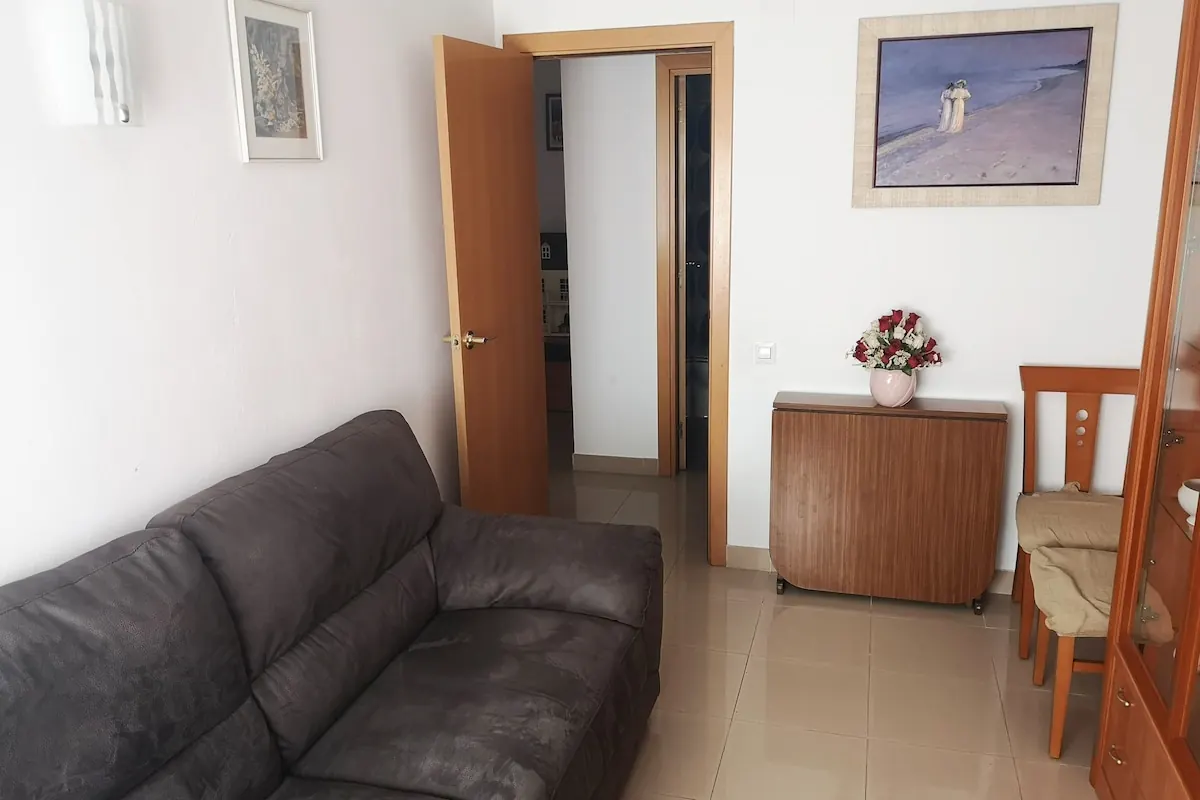
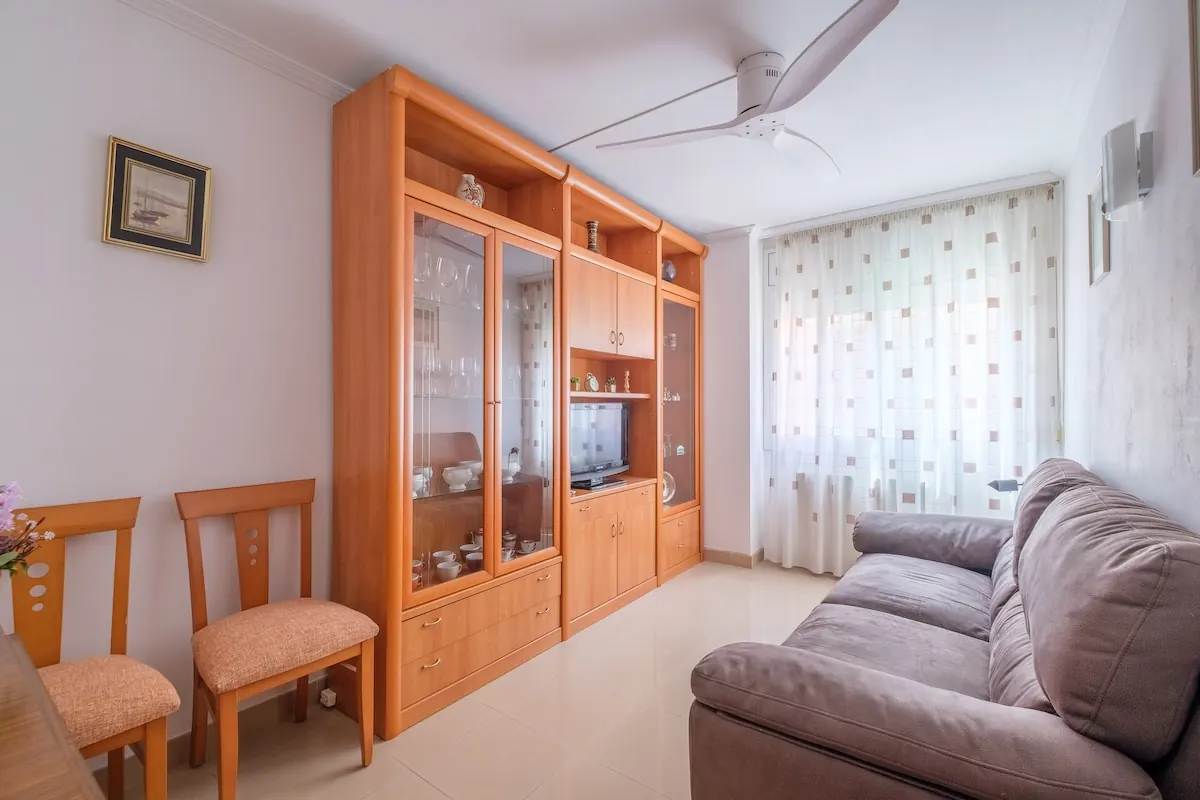
Charming penthouse with terrace, completely renovated and located in the heart of the ancient city of Tarraco. Next to the circus, the city walls, and the amphitheater, with panoramic views, and close to Plaça de la Font, the heart of Tarragona's festivities and most authentic traditions. You can walk to visit the World Heritage Sites. Conveniently located…
Indicative price from €150 per night. Verify dates, fees, currency and terms on the property website.
Tarragona vacation rentals put you inside a compact city whose identity is defined by a UNESCO Roman ensemble, a working port, and short sandy beaches. Rent an apartment in the Part Alta (old town) for immediate access to ancient walls and museums, a beachfront flat near Playa del Miracle for sunrise swims, or a family-sized unit in the El Serrallo fishing quarter to sample local seafood at market hours.
Compared with busier Catalan destinations, Tarragona balances authentic neighbourhood life and tourism infrastructure: museums and archaeological sites cluster close together, restaurants and markets operate year-round, and regional transport links make day trips (Reus, PortAventura, Tarragona province coast) simple. Vacation rentals offer flexibility—kitchens for family meals, terraces for evenings, and often lower per-night cost for groups when compared to multiple hotel rooms.
This guide focuses on practical choices for stays, transport links to and from the city, neighbourhood guidance, and operational facts you should verify before booking. It synthesises municipal and tourism authority resources with major accommodation platforms to give a conservative, evidence-backed view of what to expect from Tarragona vacation rentals.
When you search for Tarragona vacation rentals, the term normally refers to the municipal city of Tarragona (capital of the province of Tarragona) rather than the wider province. The municipality contains the historic core, coastal neighbourhoods (Playa del Miracle, Serrallo), and urban extensions; administrative and population data are maintained at the municipal level by the Spanish National Statistics Institute (INE). Use the municipal name 'Tarragona' in booking filters to avoid listings in neighbouring towns like Reus, Salou or Cambrils.
Listings on major platforms may include both the city and surrounding coastal comarca (El Tarragonès); if you want a specific neighbourhood, narrow the search by district name or by map area. For guests prioritising archaeological sights and walkability, the Part Alta (old town) and Rambla Nova are central; for beaches, choose listings at Playa del Miracle or La Arrabassada; for quieter coastal villages or resort-style pools, filter for Altafulla, Cambrils or Salou but note those are separate municipalities.
Always confirm the listing’s municipal address and public-transport links. Municipal web services and the Visit Tarragona tourism portal provide official maps and contact points for the Patronat Municipal de Turisme (the city’s tourism board) if you need exact location confirmation before booking.
Part Alta (the old town): The hilltop historic core offers immediate access to Roman remains, city walls, narrow streets and historic squares. Vacation rentals here tend to be older buildings, sometimes with stairs and limited parking; they are ideal for travellers who want morning and evening walks, close-up history and restaurants on foot.
Rambla Nova & Maritime Strip: A favourite for first-time visitors who want central shops, cafés and a short walk to the Balcó del Mediterrani viewpoint. Apartments around Rambla Nova provide easy access to museums, markets (Mercat Central), and public buses. If you want to be in the heart of daytime activity, filter for Rambla or 'Centro' in rental search terms.
El Serrallo and Playa del Miracle: The port neighbourhood (El Serrallo) is a working fishing quarter with seafood restaurants and a quieter feel in the mornings; it's popular for self-catering stays that prioritise markets and local dining. Beachfront rentals at Playa del Miracle or La Arrabassada place you within minutes of sand and sea — great for families and sun seekers — but check building descriptions for elevator access and beach-front views.
Air travel: The nearest commercial airport for most international visitors is Reus Airport (served by AENA), approximately 8–12 km from Tarragona’s centre. AENA’s Reus airport pages list regular seasonal routes and provide practical bus and shuttle options; multiple operators run scheduled transfers to Reus town and onward services to Tarragona. Always confirm scheduled flights and bus links on the airport’s official pages before booking transfers.
Rail and bus: Renfe provides both high-speed, long-distance and Cercanías (regional) services that serve the Camp de Tarragona station and regional connections. Renfe’s dedicated route pages for Barcelona–Tarragona and other inter-city links include first-train and last-train time windows and advise on combined Cercanías connections from the AVE/Larga Distancia hub. For local last-mile travel, Tarragona’s municipal bus network (EMTT) runs multiple daytime lines through central districts.
Taxis, car hire and driving: Taxis are available at stations and the port; car hire desks operate at Reus Airport and at the Camp de Tarragona transport nodes. If you rent a car, remember the old town streets can be narrow and parking may be restricted or regulated. For day trips (vineyards, coves, rural beaches) a car is convenient but not mandatory for city stays thanks to rail and bus links.
Major platforms — Airbnb, Booking.com and VRBO — host the bulk of Tarragona vacation rentals. Use platform map views to confirm a rental’s proximity to landmarks you want to visit and read listing address details. Platform pages commonly show instant-book options, cancellation policies, and host rules; confirm check-in times, cleaning fees, and whether there is elevator access when stairs are an issue.
Check the rental description for amenities important to your trip—air conditioning (important in high summer), kitchen facilities for families, Wi‑Fi for remote work, and secure parking if you bring a car. Platforms frequently flag ‘family-friendly’, ‘self check-in’ or ‘sea view’ attributes; verify these tags in the full description and the house rules before payment.
Cancellation and communication: Always confirm cancellation terms and payment flows. For greater protection, prefer bookings with a platform‑mediated payment and clear cancellation policy. If choosing a private host or agency, request a written confirmation of arrival instructions and any additional fees; for commercial providers consider booking platforms that offer 24/7 customer support in case of arrival issues.
Tarragona’s Roman legacy is central to most itineraries: the Archaeological Ensemble of Tarraco (UNESCO) includes the amphitheatre on the seafront, the Roman circus, praetorium, and fragments of the city walls and forum. Many of these sites are within easy walking distance of central rentals; check opening times and combined ticket options via the city tourism pages before planning visits.
Food and markets: Local life centres on the Mercat Central (central market) and the El Serrallo fish quarter where restaurants and market stalls provide fresh produce and seafood. Rentals with kitchens allow you to shop and prepare meals while sampling regional ingredients; for dining out, reservation in the main summer months is recommended for popular restaurants.
Day trips and activities: From Tarragona you can reach PortAventura and Ferrari Land (theme parks) by short bus or shuttle; wine‑tour operators in the Penedès and Priorat regions run day trips from city departure points; coastal walks and quieter coves lie to the south and north along the Costa Daurada. Your rental host or the municipal tourism office can recommend licensed guides and local operators.
Historic buildings in the Part Alta and older blocks often have stair-only access; if mobility is a concern, filter listings for ‘elevator’ and request floor level and doorway widths in advance. Many modern apartment blocks and newer holiday complexes on the beachfront do include lifts; verify accessibility information on the platform and ask hosts for photos of entrances where access is critical.
Travelling with children: Seek rentals with washing facilities, separate bedrooms, and kitchen space. Some listings explicitly offer cots, high chairs or child-safety features; if these are not listed, ask the host. The municipal tourism board and Visit Tarragona both list family-oriented options and can advise on accessible museum visits or family tickets.
Pets and rules: Pet-friendly rentals exist but are fewer in the historic core; filter search results by pet policy. Rental cleaning deposits and local regulations may apply—confirm before booking. The municipal site (Ajuntament de Tarragona) provides local ordinance information and contact emails for specific municipal requirements if you need clarity on rules that could affect a long-term stay.
Language and services: Catalan and Spanish are both used in Tarragona; municipal tourism pages and larger service providers publish information in English, but having basic phrases or a translation app helps for neighbourhood shops or smaller markets. Banks and ATMs are plentiful in the centre; many places accept cards but small vendors may prefer cash.
Money and tipping: Spain generally uses a straightforward tipping culture—rounding up or leaving 5–10% for good table service is common but not mandatory. For taxis and small services, rounding to the next euro is usual. Check your rental’s payment arrangements—some hosts ask for a small damage deposit or local tourism tax which platforms often highlight in the booking flow.
Safety and health: Tarragona is a medium-sized Spanish city with routine urban safety norms; keep valuables secure in busy tourist spots and lock rental doors. For health care, Spain’s public and private clinics are accessible in the city—if you need specific medical services during your stay ask the host for nearest pharmacy and clinic locations or consult the municipal website.
Tarragona’s municipal tourism resources emphasise conservation of the Archaeological Ensemble and responsible visitation. When planning visits to sensitive sites (Roman remains, quarries and protected coastal areas), follow posted guidance and prefer guided tours from licensed operators who contribute to conservation messaging.
Choose rentals that list sustainable practices—recycling, energy-efficient appliances or low-water landscaping—if sustainability matters for your trip. Many platforms now allow you to filter for eco-friendly properties or hosts who disclose cleaning and waste-handling practices; the municipal tourism board can also advise on seasonal restrictions for protected natural areas.
Local economic impact: Staying in locally-managed apartments or using registered guides channels spending directly into neighbourhood businesses. For longer stays, consider shopping at Mercat Central and eating at family-run restaurants in El Serrallo to support local suppliers and preserve the character of Tarragona’s urban fabric.
Tarragona (municipal), 1 January 2024. View source
Regional (Reus Airport serving Tarragona area), AENA current destination listing (page viewed 2026). View source
These are source-attributed themes summarized across current public travel and accommodation material—not Host-Pilot reviews, ratings or testimonials.
Guests commonly praise rentals inside the Part Alta and near Rambla Nova for walkability and proximity to sites, but note that historic buildings frequently have narrow stairways and limited elevator access. When booking, verify floor level and access details in the listing to avoid surprises—this trade-off between centrality and physical constraints recurs across major platform listings.
Multiple guides and tourism information emphasise proximity from many rentals to Mercat Central and the El Serrallo fish quarter; travellers value self-catering apartments for shopping local produce and sampling seafood. Listings that advertise market access and a nearby port neighbourhood consistently appeal to food-minded guests.
Travelers using Tarragona vacation rentals frequently report that rail and airport links (Camp de Tarragona rail services and Reus Airport connections) make the city a convenient base for regional travel. Practicalities such as shuttle timing at Reus Airport and combined Cercanías tickets via Renfe are recurring considerations for arrival and day-trip planning.
Families often prefer self-catering apartments or larger holiday rentals near Playa del Miracle or the El Serrallo neighbourhood for easy beach and market access. Many rental platforms (Airbnb, Booking, VRBO) list multi-room apartments with kitchens and free Wi‑Fi, which is useful for longer stays and mealtimes. If you need quieter streets and green space, look for properties in the upper city (Part Alta) or the nearby coastal suburbs; those offer a balance of short walks to the old town and calmer residential streets. Always check transport links (bus or train) on the listing and the municipal tourism office for family-friendly attractions before booking.
The fastest public option is Renfe high-speed and medium-distance trains to Camp de Tarragona or Tarragona area services; journey times can be about 50–75 minutes depending on service and origin. Renfe’s route pages for Barcelona–Tarragona outline schedules and offer combined Cercanías connections from Camp de Tarragona. If you land at Barcelona airport a direct train plus local transfer or a regional train from Barcelona Sants to Camp de Tarragona is typically the most reliable choice; always verify the specific timetable and ticket rules on Renfe’s official site before travel.
Yes. PortAventura theme park and Reus are short drives or straightforward public‑transport journeys from Tarragona. Reus Airport (AENA) is the closest airport (about 8–12 km from central Tarragona); buses connect Reus Airport with Reus and onward services to Tarragona, and dedicated shuttle operators run seasonal transfers. For PortAventura, local buses and regional services connect from Tarragona and neighbouring towns. Check AENA (Reus Airport) and local bus operators for current timetables and service notes.
For beach‑oriented stays, peak demand is in July–August; book 2–4 months ahead for the best selection. For cultural or shoulder‑season travel (April–June, September–October) you can often find better nightly rates while keeping good weather for walks and beach days. Business and conference events in the province can affect availability—check listing calendars on major platforms (Booking, Airbnb, VRBO) and verify cancellation terms before committing.
No—many travellers rely on walking, local buses (EMTT), and regional trains for city and nearby-coast exploration. The historic core, the beachfront (Playa del Miracle), and El Serrallo fishing quarter are walkable. If you plan day trips to vineyards, small coastal towns or prefer rural beaches beyond public transport reach, renting a car is convenient. If you do drive, check parking details in the rental listing or with the owner; city streets in the Part Alta and old town can be narrow and have controlled parking zones.
Yes. The municipal tourism board publishes official visitor information, maps, and guided-tour options; the Visit Tarragona and Tarragona Turisme portals list current events, the UNESCO archaeological ensemble details, and seasonal practicalities. Use the municipal tourism contact for up-to-date guided visits, site openings, and accessibility information before you finalise activities.
Reviewed 2026-08-25. Current schedules, access and prices should be verified at the source.