Population: Population of Williams: 3,202 (Census, April 1, 2020, municipality).
Williams (city), Arizona, April 1, 2020. View source
Import once
Turn your Airbnb or Booking.com listing into a direct booking website and guest guide.
Williams, Arizona — Route 66 base for Grand Canyon travelers
Williams accommodation gives travelers a compact, historic base for visiting Grand Canyon National Park and exploring northern Arizona. The town blends Route 66 character, a direct rail link to the South Rim, and a diverse lodging mix that includes downtown hotels, roadside motels and forest cabins. Use Williams when you want easy access to the Grand Canyon Railway, walkable dining and tour options, plus the pine‑forested scenery of Kaibab National Forest. For families and groups, cabins and whole‑home vacation rentals are plentiful; for shorter stays, downtown hotels near the Depot simplify transfers.
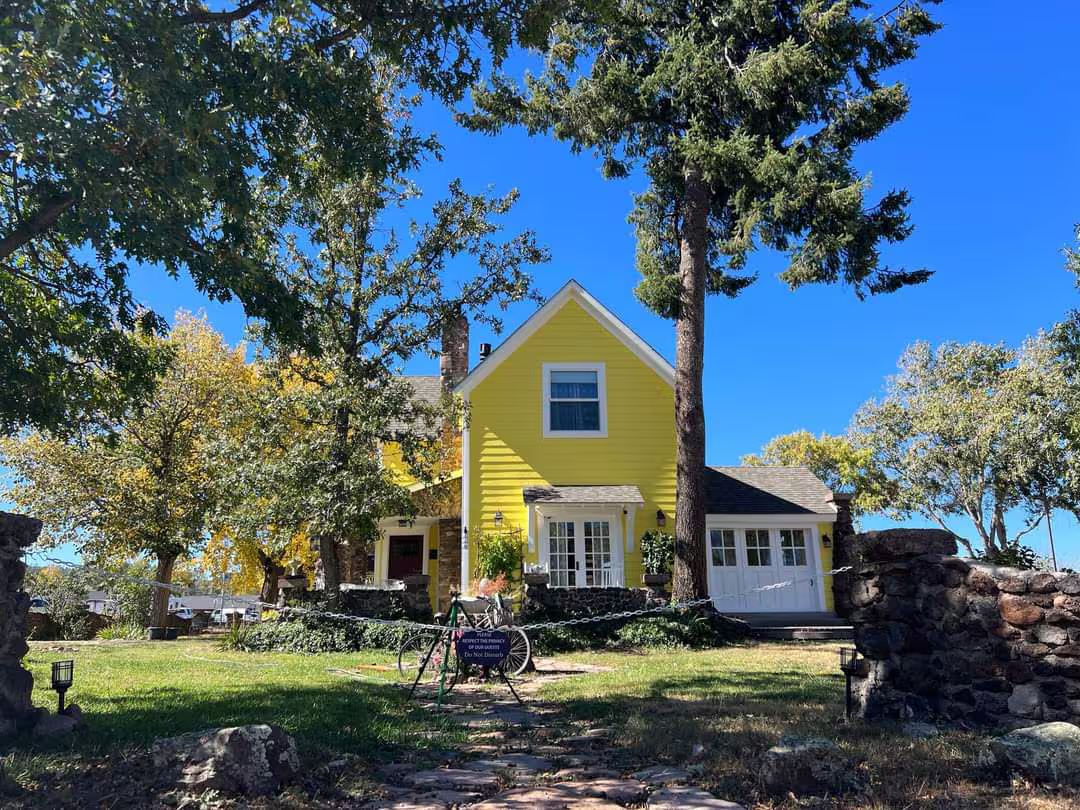
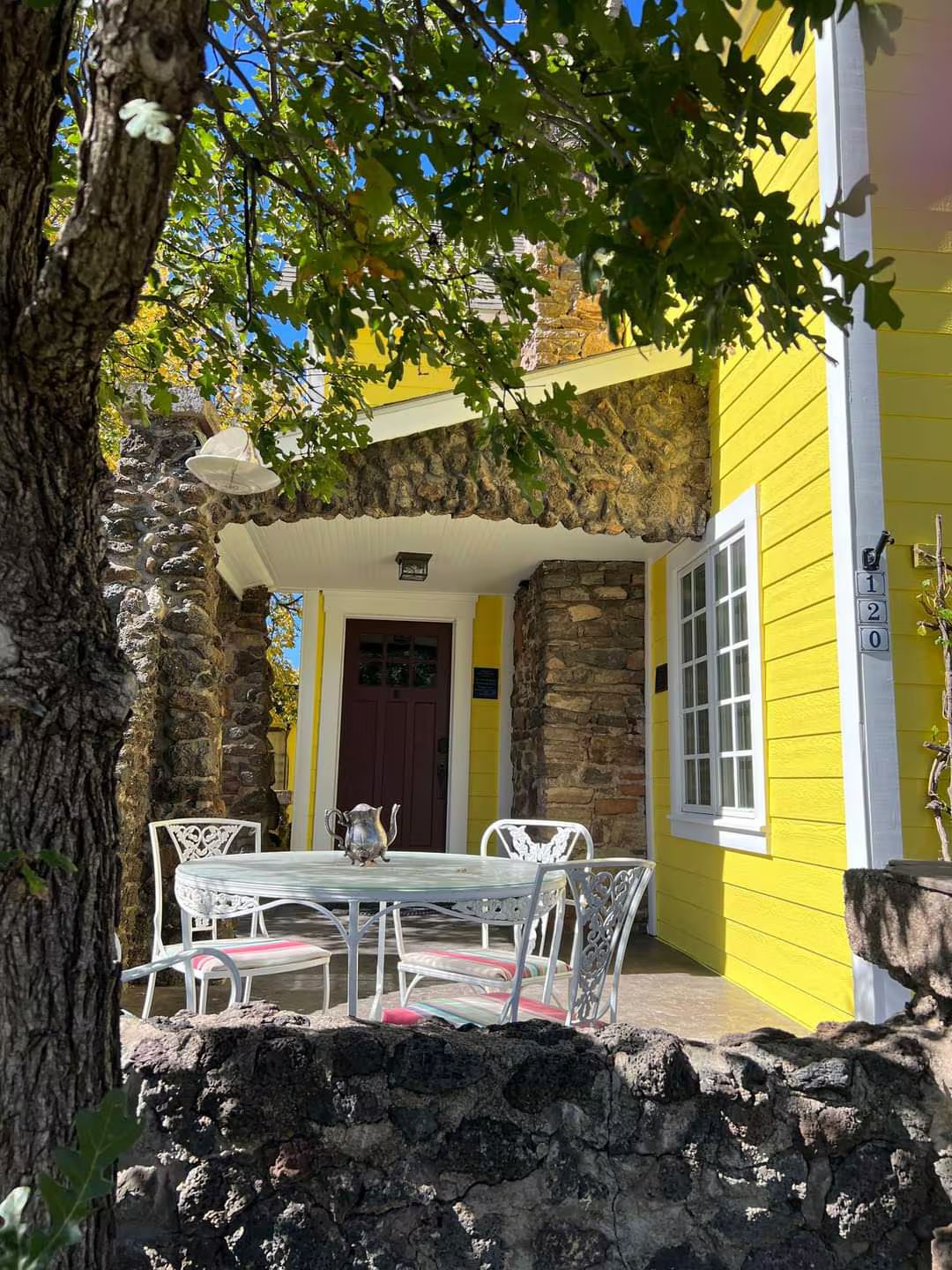
Featured real stay
Stay in a beautifully restored 1893 historic home in the heart of downtown Williams! Fully remodeled with modern comforts while keeping its timeless charm. Walk to restaurants, shops, and attractions, or relax in the spacious yard with patios and a grill. The perfect base for exploring the Grand Canyon, Bearizona, Polar Express, or enjoying fresh mountain…
Indicative price from €150 per night. Verify dates, fees, currency and terms on the property website.
Williams accommodation works as a compact, practical base for the South Rim and northern Arizona because of its direct rail link, historic downtown and concentration of traveler services. If your priority is a single‑town base within easy reach of Grand Canyon National Park, Williams combines convenient visitor infrastructure with the small‑town character of Route 66.
The town’s Williams Depot is the southern terminus for the Grand Canyon Railway, making select train departures a convenient alternative to driving to the South Rim. Downtown Williams puts restaurants, tour operators and gift shops within short walks of many hotels and vacation rentals — useful when you want to minimize daily driving.
Williams accommodation ranges from Route 66 motels and hotel rooms to private cabins and short‑term rentals. That mix is especially helpful for families and groups that need whole‑home stays, or for travelers seeking a classic Arizona town feel instead of a larger, busier hub like Flagstaff.
Williams is in Coconino County on Interstate 40 and Historic Route 66, roughly 28–30 miles south of Grand Canyon Village by road. The town sits at about 6,770 feet elevation, which moderates summer heat and brings winter snowfall — important for packing and seasonal travel choices. The elevation and surrounding Kaibab National Forest also mean pine‑forested scenery uncommon in lower‑elevation Arizona.
The town’s location on I‑40 positions it about an hour west of Flagstaff by car and several hours northeast of Phoenix depending on traffic. That makes Williams more of a regional overnight base than a hub for long multi‑city day trips; many visitors drive into town from Flagstaff, Sedona or Phoenix before boarding the Grand Canyon Railway or setting out for hiking and sightseeing.
Williams’ placement on Route 66 gives it an Americana tourist identity: neon signs, historic facades and automobile‑linked events. That character attracts visitors who prefer a walkable small‑town experience with easy access to the Grand Canyon’s South Rim and to the Kaibab National Forest trailheads.
Expect a broad mix: downtown hotels and motels on old Route 66; cabins and whole‑home vacation rentals around town and the forest edge; and a handful of inns or boutique properties. Listing platforms and booking sites show a strong supply of cabins and short‑term rentals suited to families or groups who want kitchens and multiple bedrooms.
If you prefer proximity to dining, choose downtown Williams accommodation near the Depot and Pezzi’s/Railroad Avenue where restaurants and tour desks concentrate. For seclusion or starry‑sky views, cabins on the outskirts or properties advertising forest frontage place you closer to hiking trails and quieter night skies.
Booking platforms (Airbnb, VRBO, Booking) demonstrate that both nightly rooms and whole‑home rentals are readily available; availability and style vary by season. For winter stays evaluate listings for snow access and heating; for summer stays prioritize properties with wooded shade or air conditioning.
Most visitors drive into Williams on I‑40. The town is accessible from Flagstaff (about an hour east) and is commonly reached by private car or rental from Phoenix or Flagstaff. If you rely on train connections, Amtrak serves Flagstaff on the Southwest Chief; from Flagstaff, ground transfers or rental cars are typical to reach Williams.
Grand Canyon Railway trains depart Williams Depot for the South Rim and are operated as a dedicated tourist service. The National Park Service and Grand Canyon Railway describe the train as a practical, scenic alternative to driving for day trips and multi‑day itineraries to the South Rim. Check current schedules before booking, as times and frequency change seasonally.
Local mobility: Williams’ downtown is compact and walkable; many accommodations within town are a short walk to restaurants and the Depot. For wider regional exploration (Oak Creek Canyon, Sedona, Kaibab Plateau) renting a car or booking guided tours is the most practical choice. Winter road conditions occasionally affect access, so consult ADOT or county advisories if traveling in snowy months.
Ride the Grand Canyon Railway from the restored Williams Depot to Grand Canyon Village for a classic rail experience that ties directly into the South Rim visitor network. The train is both an attraction and a practical transfer for daytrips to the national park, and the Williams Depot houses the Kaibab National Forest visitor information.
Explore Historic Route 66 in Williams for neon signs, vintage motels, car‑themed events and the annual Route 66 car show. Downtown features museums, local eateries and souvenir shops that emphasize the town’s highway heritage — a relaxed few hours of browsing and photo stops without needing to drive far.
Use Williams as a staging point for Kaibab National Forest trails and scenic drives. The surrounding forest provides hiking, mountain biking and—seasonally—snowshoeing opportunities. For wildlife viewing and quiet forest walks, request local trail maps or visit the Williams‑Kaibab National Forest Visitor Center for updated trail conditions and recommendations.
Downtown Williams concentrates restaurants, casual diners, coffee shops and family‑friendly eateries within easy walking distance of many accommodations. You’ll find American diners, pizza, Southwestern and comfort‑food options along the Route 66 corridor that serve visitors arriving by train or car.
For self‑catering stays, grocery options and fuel are available in town; several convenience stores and a supermarket serve both guests in vacation rentals and road travelers. If you need specific services (bike rental, outdoor gear, guided tours), downtown tour desks and local operators can advise on booking and seasonal availability.
Evening options in Williams are modest but lively during peak visitor seasons. Many travelers enjoy after‑dinner walks on the main street to see neon signs and historic architecture; cabin guests on the outskirts often favor prepared meals and outdoor fire pits (confirm with each property for permitted use and safety rules).
Peak demand aligns with Grand Canyon tourism seasons and summer school holidays; book early for summer weekends and holiday periods if you require a particular property type or sleeping capacity. Cabin and whole‑home rental inventory can book out for holiday weekends and special Route 66 events.
Winter travel brings quieter daytime crowds but potential snow; check property descriptions for winter access, cleared driveways and heating. For spring and fall, expect moderate weather and strong availability, though some operators schedule seasonal closures for maintenance in shoulder months.
Compare prices and policies across multiple platforms (hotel booking sites, VRBO, Airbnb) and check cancellation terms closely. For short stays intended around train departure times, prioritize properties within walking distance of the Depot to avoid early‑morning transfers.
Pack layers. The 6,770 ft elevation means warm midday sun can contrast with cool evenings; bring a warm layer for mornings and nights year‑round. In winter include cold weather gear and traction footwear for icy sidewalks or light snow around forest trailheads.
Cell service varies by carrier; downtown Williams has reliable coverage but service can be patchy on certain forest roads and trailheads. Download offline maps if you plan to hike or drive into less serviced areas, and note local emergency numbers and the location of the nearest medical clinic.
Check accessibility details with individual properties before booking: wheelchair ramps, single‑level layouts, and bathroom adaptations differ between hotels and short‑term rentals. Municipal or state resources and property descriptions will indicate ADA details for public facilities and transport stops.
Williams sits adjacent to Kaibab National Forest and near national park lands: respect Leave No Trace principles on trails, stick to marked roads, and carry out trash on smaller trailheads where bins are not provided. Local visitor centers provide current guidance on permitted activities and seasonal restrictions to protect wildlife and forest health.
Many private hosts and small businesses in Williams participate in basic sustainability practices (water efficiency, waste separation). If these features matter, request specifics from hosts — for example, whether a cabin uses propane heating, features LED lighting, or has composting/ recycling instructions.
Support local guides and businesses when possible: booking a local tour, dining locally and purchasing interpretive maps or guides helps keep visitor dollars in the community and funds conservation partnerships tied to the forest and National Park.
Williams (city), Arizona, April 1, 2020. View source
Williams (city), Arizona, city information (accessed 2026). View source
Coconino County (regional), April 1, 2020. View source
Williams (city, regional projection), Projection year 2025 (adopted Nov 18, 2025). View source
These are source-attributed themes summarized across current public travel and accommodation material—not Host-Pilot reviews, ratings or testimonials.
Across major listing platforms there is a consistent inventory of cabins and whole‑home vacation rentals in Williams that accommodate families and groups. These listings show the town’s role as a multi‑person, self‑catered stay option for visitors headed to the Grand Canyon or nearby forests. Travelers choosing whole‑home listings should confirm access and heating details for winter months.
Tourism information and official transport pages emphasize the compact downtown area and the restored Williams Depot as central orientation points. Many properties advertise short walks to Depot and downtown conveniences, which travelers cite as a practical advantage for Grand Canyon train departures and for minimizing car use.
Official and local tourism materials repeatedly position Williams as a Route 66 town with vintage signage and a historic main street. That identity affects guest expectations: many properties highlight retro or nostalgic design elements and promote evening strolls along the historic corridor, influencing choices for travelers seeking that small‑town roadside atmosphere.
For Grand Canyon access, choose Williams accommodation close to downtown or the Williams Depot (Historic Route 66 corridor). That keeps you within walking distance of the Grand Canyon Railway boarding point and most shuttle/tour pickup zones. Downtown Williams also concentrates restaurants, gasoline, and souvenir shops, making last‑minute logistics easier before a day at the South Rim.
Williams is about 28–30 miles (regional) from Grand Canyon Village at the South Rim. The Grand Canyon Railway departs from the Williams Depot and runs directly to the South Rim; travel times vary by schedule but are commonly around 1 hour 45 minutes to 2 hours one way depending on service and stops. Confirm current timetables with Grand Canyon Railway or the National Park Service before planning. (See official transport and park sources in the page sources.)
Yes. Williams sits at about 6,770 feet elevation and offers cooler summers and snowy winters relative to lower‑elevation Arizona destinations, which makes it practical year‑round for different activities: summer forest hikes and winter snow‑scenery drives. Seasonal road and weather conditions can affect access; check local road advisories from Coconino County or ADOT in winter months.
Williams accommodation inventory is mixed: small downtown hotels, motels along old Route 66, cabins and vacation rentals (cabins/whole‑home listings) and a few boutique inns. Short‑term rentals and cabins are prominent on platforms like Airbnb, VRBO and major booking sites, providing options for groups and families.
A car is recommended if you want flexible day trips across northern Arizona (Flagstaff, Sedona, Oak Creek Canyon), grocery runs, or to explore Kaibab National Forest. If your priority is the Grand Canyon Railway and downtown Williams attractions, you can rely on short walks, shuttles, or booked tours for some transfers, but many guests still use personal or rental vehicles for broader sightseeing.
There is no direct frequent intercity rail from Phoenix to Williams. Amtrak’s Southwest Chief stops in Flagstaff; the Grand Canyon Railway and local shuttle options connect Williams and the South Rim. For intercity travel, most visitors fly to Phoenix or Flagstaff and then drive or take scheduled shuttles/rent a car to Williams. Always check schedules with providers.
Reviewed 2026-08-25. Current schedules, access and prices should be verified at the source.