1. Prepare a trustworthy property page
Use current photos, sleeping arrangements, amenities, policies, and location information. A direct booking page should make the stay easy to understand before it asks a guest to take the next step.
Import once
Turn your Airbnb or Booking.com listing into a direct booking website and guest guide.
Built for hosts with 1–10 properties
To accept direct bookings safely, you need more than an inquiry in WhatsApp or email. A consistent workflow keeps availability, terms, payment, and guest communication clear before a guest confirms.
Direct answer
To accept direct bookings safely, give a guest one trustworthy property page, check live availability from a defined source, confirm the terms in writing, and share the right stay information after the booking is confirmed. The goal is not to move every conversation away from a marketplace. It is to give repeat guests, referrals, and your own audience a clear path when a direct relationship is appropriate.
For a small host, a direct booking workflow should be calmer than email, WhatsApp, and spreadsheets. It should not create a second set of dates, prices, and instructions that drift away from the listing guests already know. Start with one property and a documented sequence; add complexity only when the volume of bookings and people requires it.
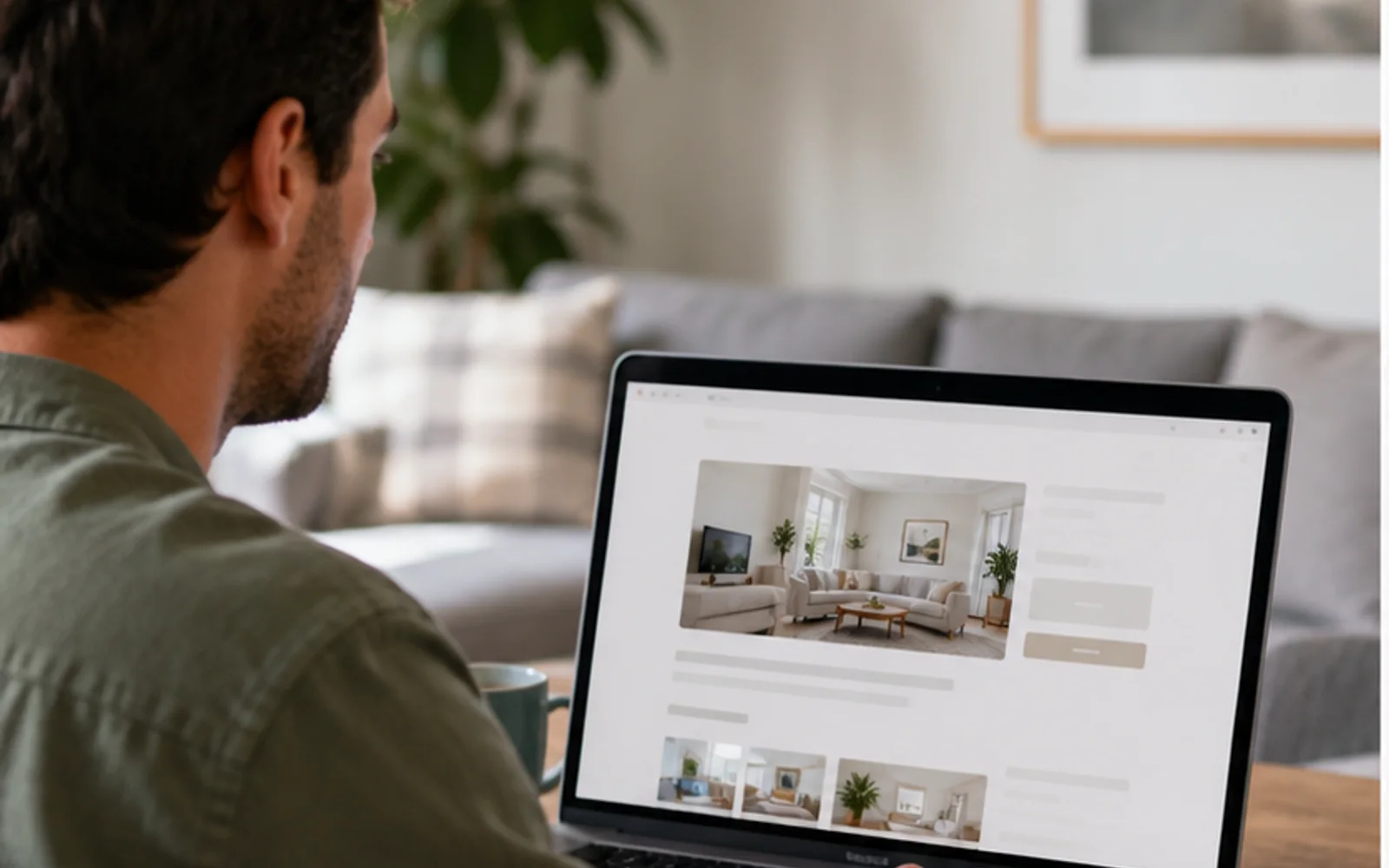
A guest considering a direct booking is usually trying to answer ordinary questions: Is this the right property? Are these dates actually available? What is included? What will I pay? What happens if plans change? The page should answer those questions with accurate, current information rather than marketing superlatives. Keep property facts, occupancy, key amenities, location language, policies, and the next action easy to scan.
Trust comes from consistency. If the property page says one thing and a confirmation message says another, the host has created support work before the stay begins. Review any generated draft against the current listing, especially access, prices, rules, safety details, and local claims. A direct booking website gives you an owned destination; it does not remove the responsibility to make every promise deliverable.
Use current photos, sleeping arrangements, amenities, policies, and location information. A direct booking page should make the stay easy to understand before it asks a guest to take the next step.
Before confirming a direct request, check the calendar source your operation treats as authoritative. Review external-channel reservations, owner blocks, preparation time, and any stay rules that affect the dates.
State the property, dates, guest count, total price, payment timing, cancellation terms, and contact route in plain language. A guest should know what they are agreeing to without searching a long message thread.
Send a concise confirmation, then provide a mobile guest guide for durable arrival and stay information. Keep sensitive access instructions and emergency handling under human control.
A direct booking is not confirmed because a guest asked first. Check the same availability source your team uses for Airbnb, Booking.com, owner stays, cleaning buffers, and direct enquiries. If a calendar connection is delayed or a rule is unclear, pause before you promise the date. A calm verification step costs less than an apology after two guests expect the same night.
For a simple operation, name one person and one place responsible for availability. As your channel count or team grows, consider a more central system. The useful standard is not a particular software label; it is whether a change can be understood, checked, and communicated before it affects a guest.
Realistic host scenario
Example, not a customer story: a guest who stayed last summer asks whether the same apartment is free for a long weekend. The host does not start with a price in chat. She checks the availability source, confirms the property and guest count, sends the current direct booking page, and makes the terms clear before payment. Once confirmed, the guest receives a concise message and the mobile guide link for arrival information.
This is not about forcing a guest through automation. It is about preserving context. The host can still answer a question personally, while the website holds the booking decision information and the guide holds repeatable stay information. That division makes the guest experience easier to follow and makes future changes easier to maintain.
Marketplaces can be valuable for discovery, trusted payment infrastructure, and reaching guests who do not know you yet. Direct bookings can be useful for legitimate repeat relationships, referrals, and audiences you have permission to serve. A responsible strategy respects the rules and agreements that apply to an existing marketplace reservation; it does not pressure a guest to move a current booking elsewhere.
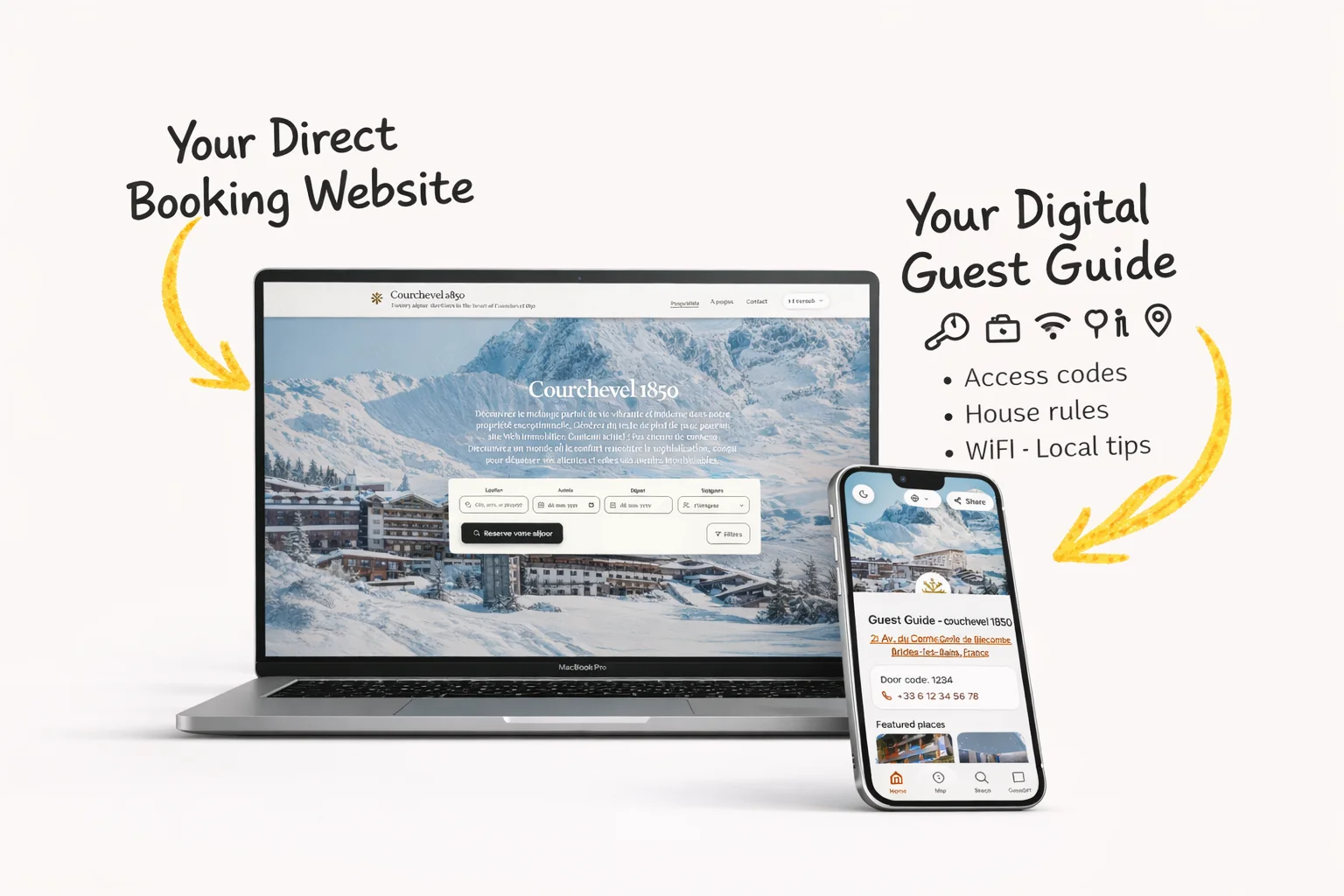
Host Pilot can turn one listing into a direct booking website, a digital guest guide opened by link or QR code, and connected guest communication. That gives a small host a practical starting point, not a promise of automatic demand. Good photos, accurate property information, fair policies, responsive support, and a well-run stay still earn the trust that makes a guest return.
The most common mistake is treating a direct booking as a shorter version of a chat conversation. A guest asks for dates, the host replies with a number, and the important details are scattered across messages. That makes it easy to miss a guest-count change, a cleaning buffer, a payment deadline, or a cancellation term. Put the durable decision information on the property page and in a clear confirmation, then use chat for the human questions that really need a person.
Another mistake is launching a direct path and never reviewing it. After each few stays, look at the questions that still arrive before payment and during check-in. If guests repeatedly ask about parking, add a better answer to the website or guide. If guests do not understand when a booking is confirmed, improve the confirmation language. This keeps the direct booking workflow useful and honest as your property, pricing, and operation change.
Finally, do not create a separate source of truth just for direct requests. Calendar, property facts, rules, and payment terms must be reconciled with the rest of your operation. The simpler your data path is, the easier it is for a small team to respond quickly without accidentally making two different promises to two different guests.
For a ground-up operator's perspective on connecting these systems without losing the human touch, read the Hotel Speak article about the hotel direct booking strategy developed while running three beach studios.
Build the direct path around your real operating information, then improve it from the questions guests still ask. These pages help with the next parts of that workflow.
See how Host Pilot transforms your daily operations and occupancy.
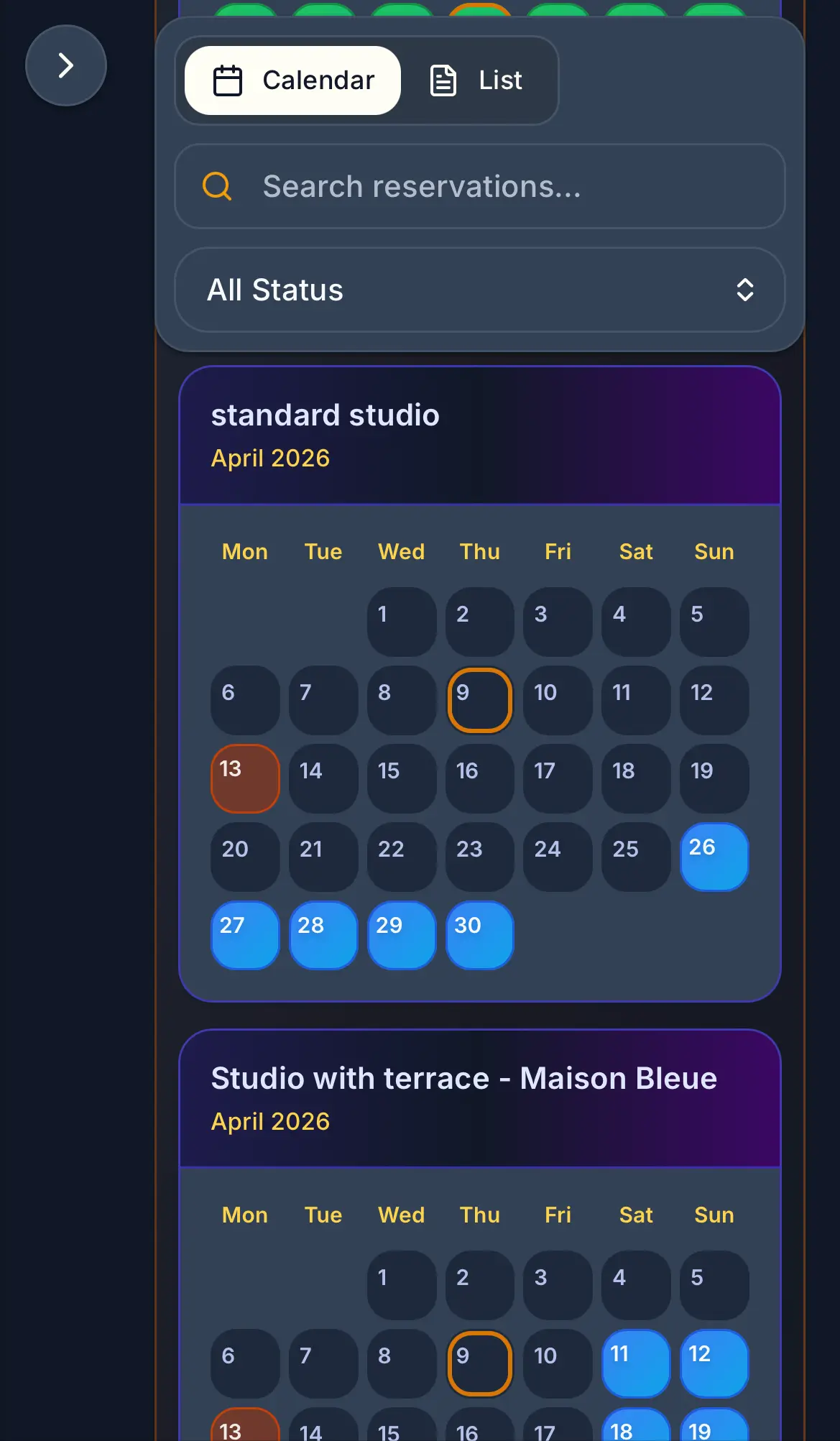
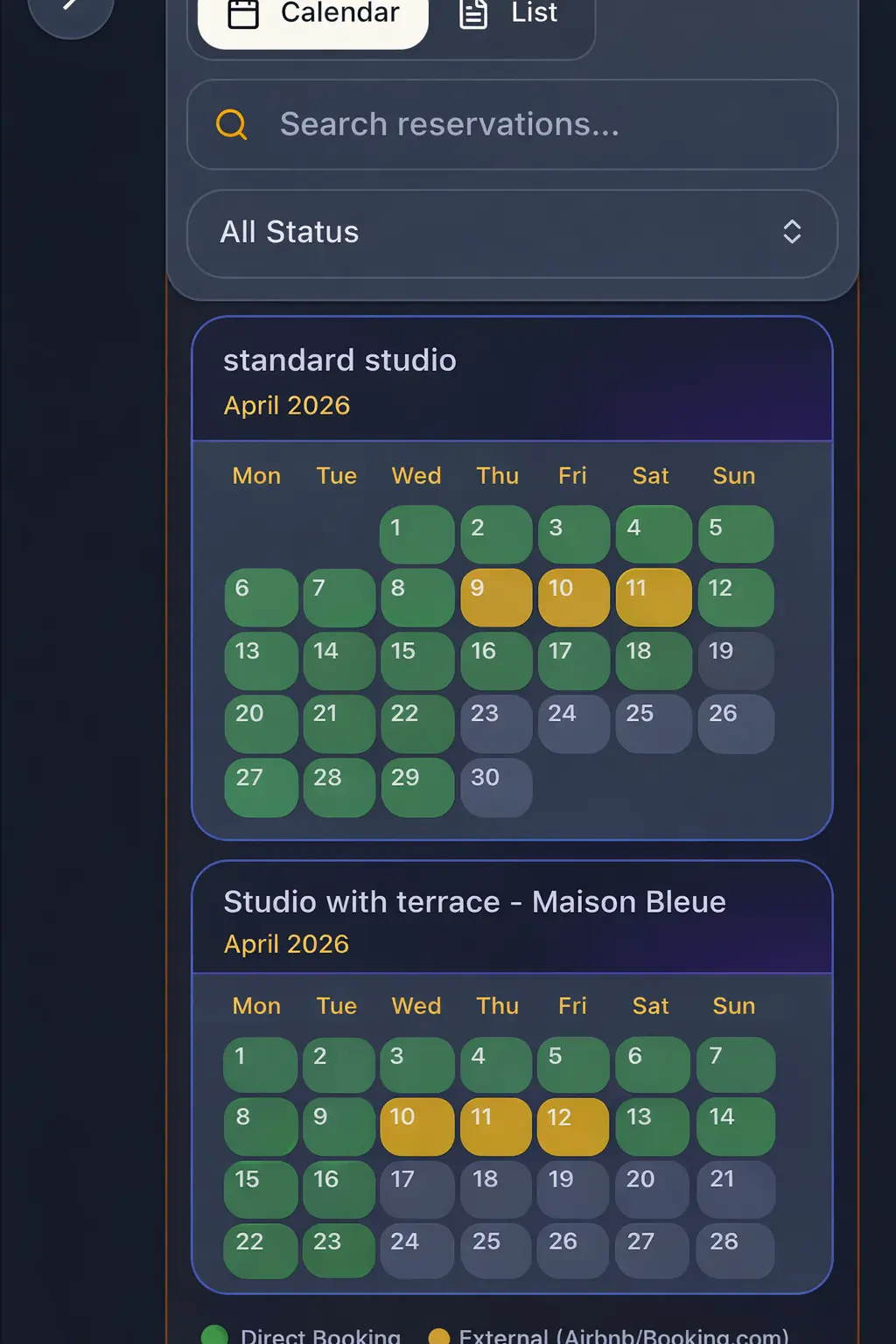
One booking flow keeps rates, stay details, and guest messaging in the same place instead of across multiple platforms and chats.
No. Hosts can give guests one direct booking path without adding a full channel manager or rebuilding their stack.
Use one clean booking path that lets guests book direct while you keep pricing, property info, and guest communication organized.
2 min - see exactly how it works
Hosts usually look for accept direct bookings when they want a simpler way to handle guest communication, arrivals, bookings, or day-to-day operations without adding extra admin.
Stop handling direct inquiries manually and give guests one place to see the property and take the next step.
A clean direct booking process removes back-and-forth about dates, price, and what happens next.
When returning guests already know the property, a direct path helps you convert them faster.
Typical host flow
A repeat guest asks to book again. Instead of handling dates and payment manually, the host sends one direct booking link with the current rate and property info.
Quick answers for hosts comparing options and trying to fix guest communication, arrival, and operations pain points.
This is a direct booking workflow for hosts who want to accept bookings outside Airbnb and Booking.com without running everything manually.
You give guests one direct booking path tied to your property information so they can move from inquiry to booking with less friction.
Yes. Hosts typically keep Airbnb and Booking.com active while also accepting direct bookings for repeat, referral, or off-platform demand.
Start with accurate property information, a clear direct booking website, a known availability source, and a documented payment and cancellation process. Direct bookings are most useful for repeat guests, referrals, and audiences you are allowed to serve directly.
No. Many hosts keep Airbnb and Booking.com active while adding a direct path for repeat or referred guests. Respect every platform agreement and use each channel appropriately rather than treating direct bookings as a shortcut around an existing reservation.
Confirm the exact property, dates, guest count, current availability, total price, payment timing, cancellation terms, arrival process, and contact route. Do not send a payment link before the stay details and availability are clear.
Yes. A guest guide is for booked guests, not a sales page. It makes arrival, Wi-Fi, house rules, and stay questions easier to find after the booking is confirmed, so the host does not need to repeat long instructions in chat.
Browse nearby host workflows from the hub so you can compare practical next steps without starting over.
Use Host Pilot to connect guest communication, guest guides, direct bookings, and operations in one workflow built for smaller host teams.