How to make vacation rental website builder useful in day-to-day hosting
vacation rental website builder is most useful when it resolves a specific operating problem: a host needs a dependable direct presence without manually rebuilding property content in several systems. Start by documenting the guest or host moment where this breaks down, the information needed to resolve it, and the person who owns the next action. This turns a broad search into a decision a small team can actually test.
Do not judge vacation rental website builder only by a feature list. A strong workflow has one verified source for property facts, a clear handoff between guest-facing and host-facing work, and a simple way to review exceptions. The useful result is less searching, fewer conflicting instructions, and a guest who understands what happens next.
Review the complete booking cycle before making a change: discovery, reservation, pre-arrival, arrival, stay, checkout, and the opportunity to return. A tool or guide earns its place only when it improves a particular point in that cycle without creating more manual reconciliation later.
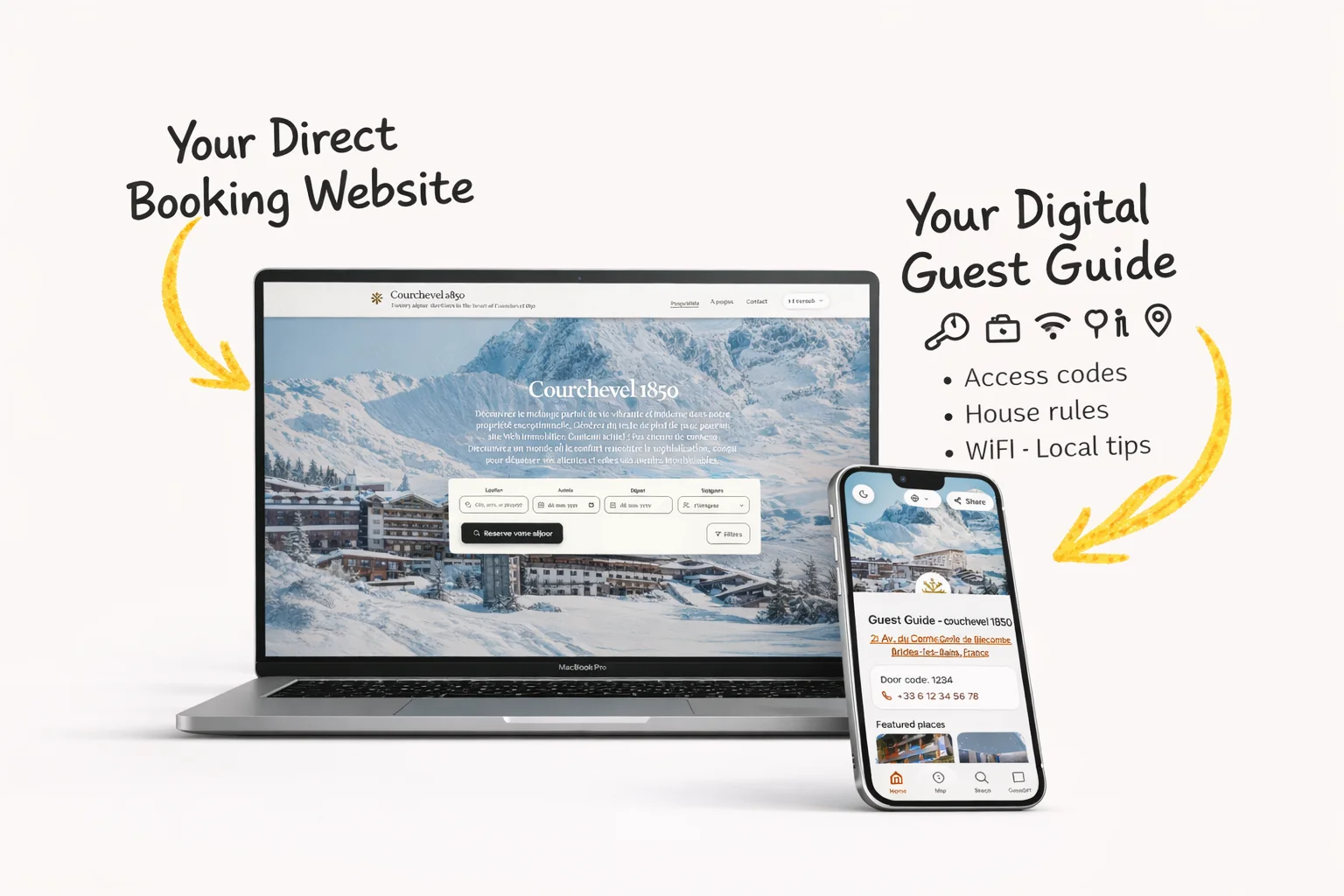
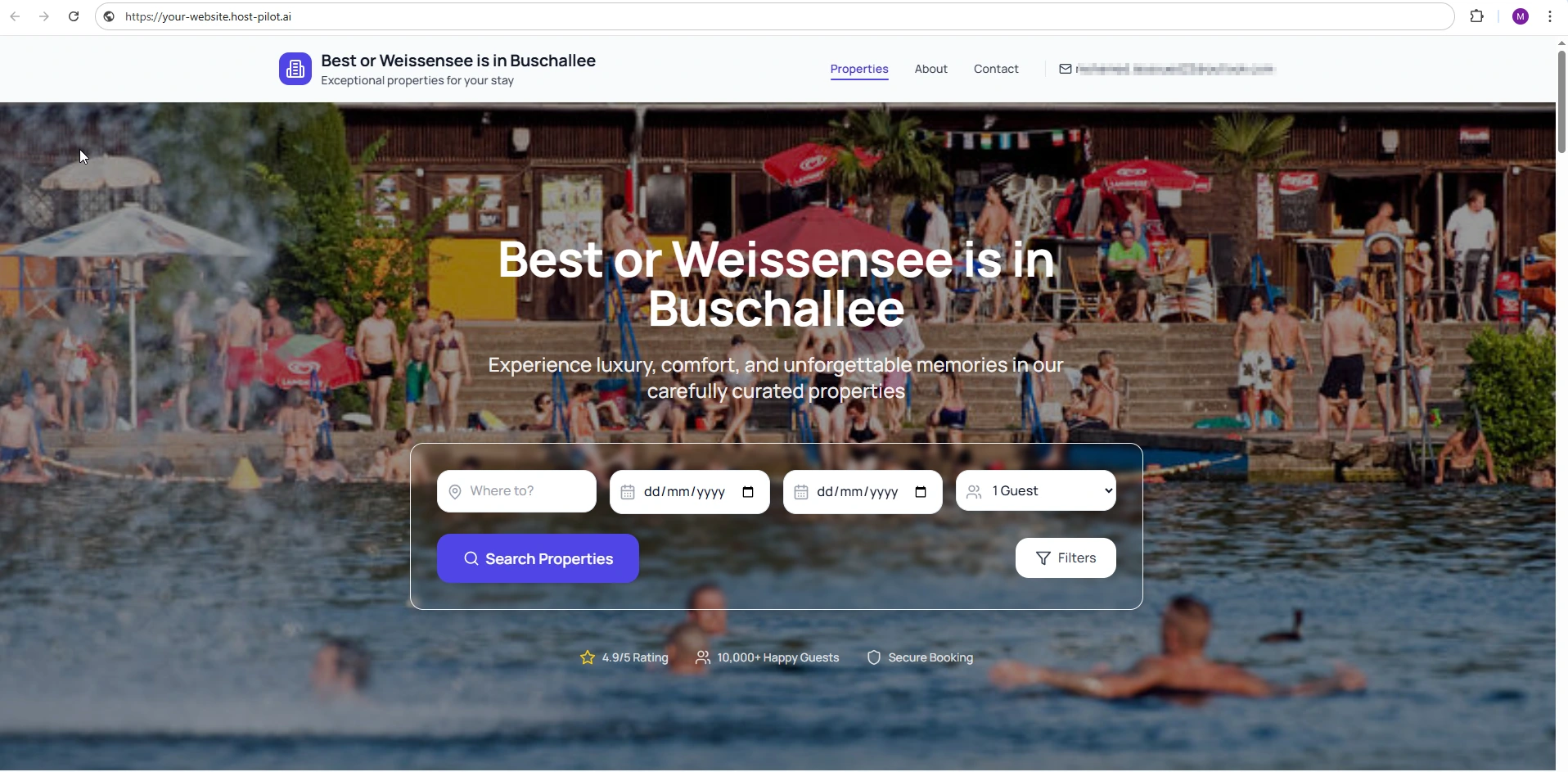
Treat the information architecture as part of the operating process. A public website should help a visitor decide whether the property fits. A booking confirmation should confirm the next step. A guest guide should hold durable stay details. A short message should handle time-sensitive prompts. When the same fact has a clear home, hosts do less copying and guests do less searching.
Before changing a workflow, collect the questions that arrive more than once and the places where a co-host has to ask for context. Those are better starting signals than a generic feature request. After the change, compare the same signals over a full booking cycle. This preserves useful human contact while removing the repetitive work that makes hosting feel reactive.
A simple measurement note makes the learning durable: record the original issue, the change made, the expected result, and the exceptions that appeared. This is especially valuable when a property, season, or team member changes. It helps the host improve the process deliberately instead of repeatedly rebuilding it from memory.