Short‑term rental supply (market tracker): 19 active short‑term rental listings (trailing 12 months).
Belcaire (commune), trailing 12 months as published (AirDNA, 2026). View source
Import once
Turn your Airbnb or Booking.com listing into a direct booking website and guest guide.
Occitanie — Pyrénées Audoises
Belcaire holiday rentals are small‑scale village gîtes and chalets on the Sault plateau in Occitanie. This guide helps you choose accommodation type, navigate transport options (rail to Limoux/Carcassonne + road transfer), plan outdoor activities, and understand local services and seasonal considerations. Key official sources include the commune site and the Belcaire tourist information office; market trackers report roughly 19 active short‑term listings in the trailing 12 months and INSEE provides the latest municipal population metrics. Use the tourist office for current opening hours and host contacts, and book summer dates early due to limited inventory. ([belcaire.fr](source))

Featured real stay
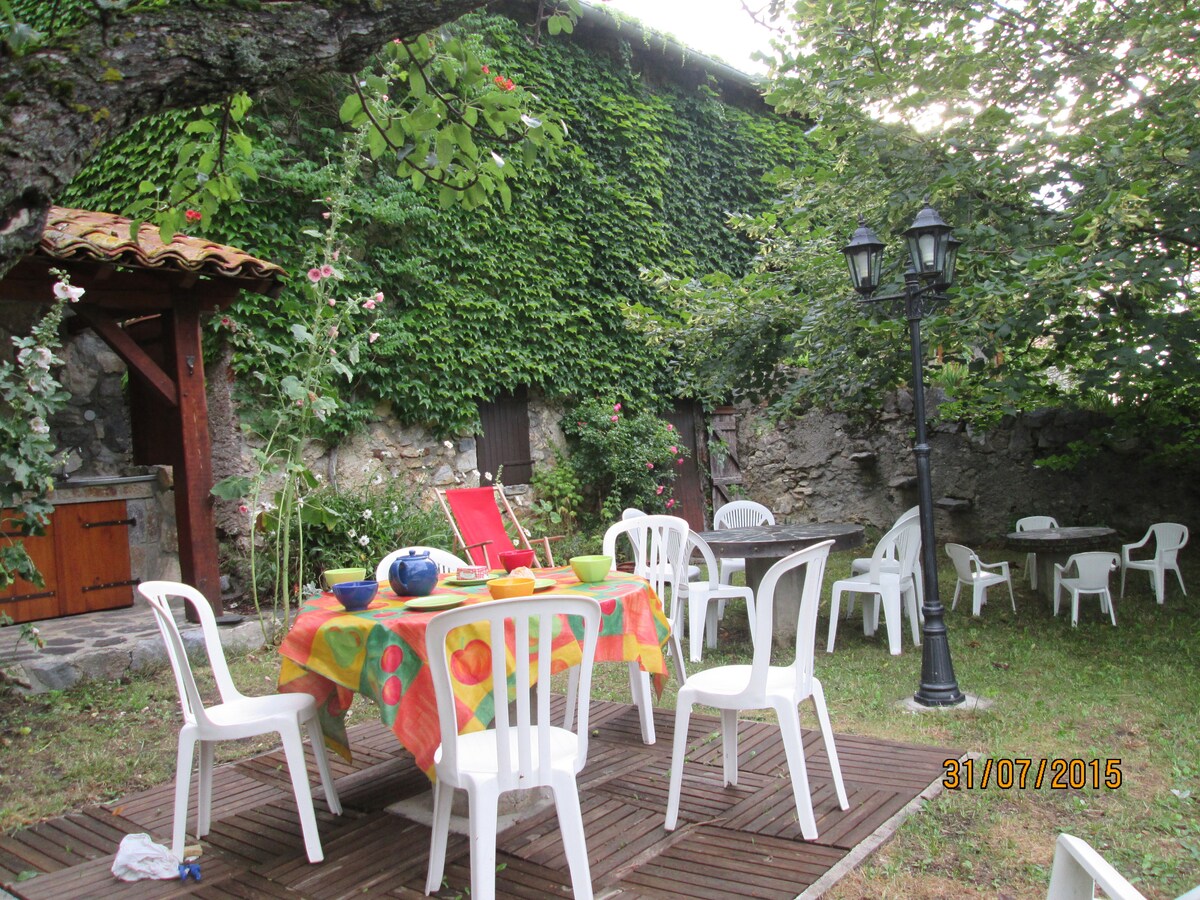
At 1000 m altitude, in the heart of the Cathar castles, in a village of 430 inhabitants, surrounded by wooded mountains, patiently renovated for years, this old farm dating from the revolution has regained its soul. With its beams blackened by the smoke of yesteryear, the south-facing living room restores the atmosphere of a sober and welcoming…
Indicative price from €150 per night. Verify dates, fees, currency and terms on the property website.
Belcaire holiday rentals serve travellers seeking a quiet mountain village base on the Sault plateau in the Pyrénées Audoises (Occitanie). The commune is a small rural village with essential services, a seasonal tourist information desk and an inventory of gîtes, village houses and short‑stay listings that suit hikers, families and people wanting easy access to mountain trails, climbing and rural life. ([belcaire.fr](source))
If you need a concise plan: aim to book early for July–August and school holidays, pick a rental with on‑site parking and heat/insulation if travelling shoulder or winter season, and use Limoux or Carcassonne as the regional rail hubs before completing the last leg by car or local taxi. The inventory of short‑term properties is modest but diverse — tracked listings show a small active supply across marketplaces. ([airdna.co](source))
This guide covers how to get there, what accommodation types to expect, practical village services, seasonal tips for outdoor activities, food and supplies, day trips, planning checklists and traveller feedback themes aggregated from regional booking platforms and local guides. For municipal details and downloadable local guides consult the commune’s official website and contact the Belcaire tourist information office when you arrive. ([belcaire.fr](source))
Belcaire is a mountain commune in the Aude department on the Sault plateau (Pays de Sault) in Occitanie, known for its elevated terrain, forests and pastoral landscapes — a gateway to the Pyrénées Audoises rather than a coastal or urban destination. The municipal site and regional tourist materials describe the village’s panorama and proximity to peaks such as the Pic de Bugarach. ([belcaire.fr](source))
Because Belcaire is a small rural commune its environment and services reflect a mountain village: dispersed habitat, low population density and an economy where commerce, transport and hospitality make up a significant share of local establishments. These characteristics shape traveler expectations: quiet lanes, short local shops and reliance on nearby towns for specialised services. ([fr.wikipedia.org](source))
For practical distances the commune lists driving approximations to regional points: about 80 km from Carcassonne, 100 km to Perpignan and roughly 85 km to Andorra — useful for planning day trips by car. Keep in mind mountain roads and seasonal conditions can make journeys slower than flat‑country distances imply. ([belcaire.fr](source))
Rail: the closest regularly served regional railheads are Limoux and Carcassonne (TER Occitanie services). From those stations you will need to complete the journey by road; Limoux is the nearest rail stop for many travellers but schedules vary and regional buses are limited, so plan connections carefully. TER Occitanie and SNCF pages list current timetables — check them the week of travel. ([ter.sncf.com](source))
Car: driving is the most flexible option. The municipal transport page offers suggested driving distances to major centres and explains that car travel is the usual way to connect between Belcaire and coastal or urban destinations. If you rely on a hire car, choose a vehicle with good ground clearance for secondary roads and allow extra time in winter or wet conditions. ([belcaire.fr](source))
Local transfers: taxis and occasional regional bus services operate but are not frequent. Where possible, arrange pick‑ups with your host or the village tourist office (BIT) ahead of arrival. The local BIT in Belcaire operates seasonally (typically May–October) and can provide up‑to‑date local transfer and activity contacts. ([audetourisme.com](source))
Belcaire’s short‑stay accommodation mix includes village gîtes and self‑catered houses, small chalets, a handful of apartments and privately managed rentals listed on marketplaces. Booking and platform listings show rural gîtes and whole‑house options that suit families or groups seeking a self‑contained base. These properties are commonly described on accommodation platforms and in the regional inventory. ([booking.com](source))
Expect simple, characterful properties rather than large resort hotels: stone village houses, renovated farm outbuildings and plateau chalets. Many hosts list practical amenities such as on‑site parking, kitchens and wood heating; verify heating and insulation if travelling outside high summer. For longer stays, contact owners directly via platform messages or through local gîte networks. ([airbnb.com](source))
Inventory is small but steady: market trackers record under two dozen active short‑term rentals in the last 12 months for the Belcaire area, signalling choice but limited supply compared with nearby larger towns. Booking early and flexible date choices increase your chances of securing a preferred property. ([airdna.co](source))
Hiking and mountain biking are the core attractions. Trails radiate from the village and the wider Pays de Sault network offers routes for moderate to ambitious walkers. Climbing facilities and marked local paths make Belcaire a practical base for multi‑day treks or day hikes into the Pyrénées Audoises. Bring a detailed map and check local trail conditions with the tourist office. ([audetourisme.com](source))
Nature and seasonal pursuits: in summer you’ll find wildflower meadows and cooler plateau temperatures; autumn brings clear air and leaf colour; winter can close higher trails and requires winter equipment for high‑altitude walks. Birdwatching and pastoral scenery are year‑round draws. Consider guided walks from the regional tourism office if you prefer local interpretation of landscapes and heritage. ([audetourisme.com](source))
Nearby cultural and historical day trips include Cathar sites and the wider Aude departmental heritage routes promoted by Aude tourism. Combine a day wandering medieval villages or small fortified sites with local culinary stops in Limoux or Quillan to vary a multi‑day stay. The regional tourist leaflet and Aude tourism materials outline route ideas and seasonal access notes. ([audetourisme.com](source))
Belcaire provides basic amenities for holiday rentals: village bakery, small convenience outlets and a seasonal selection of hospitality businesses (cafés and small restaurants). The municipal newcomer guide lists a bakery, butcher and small grocery options—suitable for self‑catering stays but limited for extensive shopping. Plan a supermarket run in Limoux or Carcassonne for larger needs. ([belcaire.fr](source))
Eating out: options are village‑scale. Some small restaurants and pizzerias operate seasonally; opening days and hours can change outside peak season. If dining out is central to your trip, call ahead or use the tourist office to confirm current openings. Hosts typically provide local recommendations and may assist with bookings. ([belcaire.fr](source))
Supplies and services: the village has a medical practice and basic services listed on the municipal site; specialised medical care and bulk shopping require a trip to a regional centre. For family stays, confirm availability of amenities such as baby equipment or supermarket delivery with your host before arrival. ([belcaire.fr](source))
High season is summer (July–August) when trails are most accessible and the tourist information desk is open regularly. Shoulder seasons (late spring and early autumn) offer cooler temperatures, fewer crowds and good hiking conditions, but expect some businesses to operate reduced schedules. The BIT office advertises seasonal opening (May–October) and is the best local source for current availability. ([audetourisme.com](source))
Winter attracts fewer visitors; some properties remain open for winter sports in higher plateaus but check heat systems and winter road maintenance with hosts. If you travel in winter, confirm host emergency contacts, road conditions and local services availability as smaller communes may have reduced hours. Municipal pages and local guides highlight seasonal service variations. ([belcaire.fr](source))
For events and guided outings consult Aude tourism bulletins and the Belcaire municipal calendar; small festivals, market days and guided nature walks are scheduled seasonally and are useful reasons to time a trip for local colour. Confirm dates with official sources before booking. ([audetourisme.com](source))
Belcaire is a small mountain commune; normal rural safety considerations apply. There is a local gendarmerie and basic medical practice listed on municipal information, but for specialised or emergency care larger hospitals in regional centres are the next step. Hosts and the tourist office can advise nearest medical facilities and pharmacy opening arrangements. ([belcaire.fr](source))
Accessibility: the village streets and many gîtes are historic and may include stairs and narrow lanes. If mobility is a concern, request details about entrances, parking and bathroom accessibility before booking. Drive times on secondary roads may be slower than map distances imply — plan with buffer time. ([belcaire.fr](source))
Communications: mobile signal quality can vary in mountain terrain and depends on operator. Confirm with hosts if you rely on cellular internet for work; some rural gîtes advertise fibre or satellite internet but do not assume high bandwidth unless explicitly confirmed. The municipal site and host listings are the most reliable sources for connectivity details. ([belcaire.fr](source))
Carcassonne: the medieval citadel is the region’s primary draw and acts as a transport hub with TGV and Intercités services; it’s useful for combining history with practical train links. Driving time is about 80 km depending on route and traffic, so many visitors make it a full day trip. Check rail options if you are returning by public transport. ([en.wikipedia.org](source))
Limoux and local wine routes: Limoux is the closest market town with food and wine offerings and a regular rail link; the area’s sparkling wine traditions and local markets are worthwhile. Use Limoux as a service stop for shops, markets and occasional festivals. ([ter.sncf.com](source))
Natural day trips: the broader Aude includes Cathar castles, scenic valleys and coastal excursions. The Aude tourism materials and regional brochures provide curated itineraries that combine heritage sites with short hikes — a good mix for travellers who want culture alongside outdoor activity. ([audetourisme.com](source))
Belcaire (commune), trailing 12 months as published (AirDNA, 2026). View source
Belcaire (commune) — regional statistic, 2023 (INSEE, dataset published/updated Jan 1, 2026 geographic exploitation). View source
These are source-attributed themes summarized across current public travel and accommodation material—not Host-Pilot reviews, ratings or testimonials.
Across marketplace trackers and listing platforms the area shows a modest number of whole‑home gîtes and chalets rather than high‑volume apartment inventories. Travellers who want specific dates or larger group houses are advised to reserve earlier, especially for July–August and school holiday periods. ([airdna.co](source))
Municipal information and host listings indicate local bakeries, a small grocery, medical practice and seasonal hospitality — good for self‑catered stays but expect to travel to Limoux or Carcassonne for large supermarkets, specialist shops or hospitals. Confirm service hours off‑season. ([belcaire.fr](source))
Regional tourism materials and local listings present Belcaire as an outdoor base for hiking, mountain biking and climbing. Accessibility and trail conditions vary by season; guided options and the tourist bureau are recommended for detailed local routing and safety information. ([audetourisme.com](source))
Search established platforms (short‑stay marketplaces and local gîte lists) and book seasonal high-demand weeks — summer and school holidays — as soon as your dates are fixed. Belcaire has a modest short‑term inventory (market trackers report active listings across Airbnb/Booking/VRBO), so popular gîtes and village houses can book months ahead for July–August. Use the local tourist information point (Belcaire BIT) for village‑level options and contact owners of small gîtes directly if possible for flexible stays. ([airdna.co](source))
The nearest regular regional rail connections run to Limoux or Carcassonne (TER Occitanie). From Limoux or Carcassonne you’ll need a taxi, regional bus (limited schedules), or a rental car for the final 35–75 km stretch into the Pays de Sault plateaus and mountain approach to Belcaire. Check TER Occitanie/SNCF for current timetables and allow extra time for regional transfers. ([ter.sncf.com](source))
Yes. Belcaire sits on the Sault plateau and is a common starting point for hiking, mountain‑bike and climbing routes in the Pyrénées Audoises. The village is promoted by regional tourism as an outdoor gateway with marked trails and nearby climbing facilities. Choose accommodation with secure storage for bikes and expect mountain terrain and variable summer/winter weather. ([audetourisme.com](source))
Belcaire offers basic village services: bakery, small shops, a post office, medical practice and a tourist information desk (seasonal). The municipal website and newcomer guide list local amenities and community services; however for broad shopping or specialised services travellers may need to visit Limoux or Carcassonne. ([belcaire.fr](source))
Yes, within a long day. Distances listed by the municipality: about 80 km to Carcassonne, ~100 km to Perpignan and the Roussillon coast, and ~85 km to Andorra (approximate driving distances supplied by the commune’s transport guidance). These are feasible as long day trips by car; public transport options will be slower and require connections. ([belcaire.fr](source))
Official INSEE data for the commune of Belcaire (code 11028) shows low population density typical of mountain communes; consult the INSEE commune fiche for the most recent municipal population figures and density breakdowns by year. Use INSEE’s ‘Dossier complet’ page for exact counts and dates. ([insee.fr](source))
Belcaire’s tourism desk (BIT) operates seasonally (typically May–October for the local bureau), and individual attractions or rural businesses may close off‑season. For services such as guided activities, gîte openings or local restaurants, confirm directly with providers or the tourist office before travelling. ([audetourisme.com](source))
Reviewed 2026-09-15. Current schedules, access and prices should be verified at the source.