Import once

Turn your Airbnb or Booking.com listing into a direct booking website and guest guide.

Practical city guide and conservative source audit

Ghent holiday rentals

Ghent holiday rentals: practical city guide, official sources and market context Answer-first: Ghent (Dutch: Gent) is a city and municipality in the province of East Flanders in the Flemish Region of Belgium — it is not in Wallonia. That regional placement affects language, transport operators and official tourism channels; municipal information and many local services are published through Visit Gent and Stad Gent, both of which focus on Ghent as a Flemish city. Use Ghent-based resources when you book accommodation and plan travel logistics.

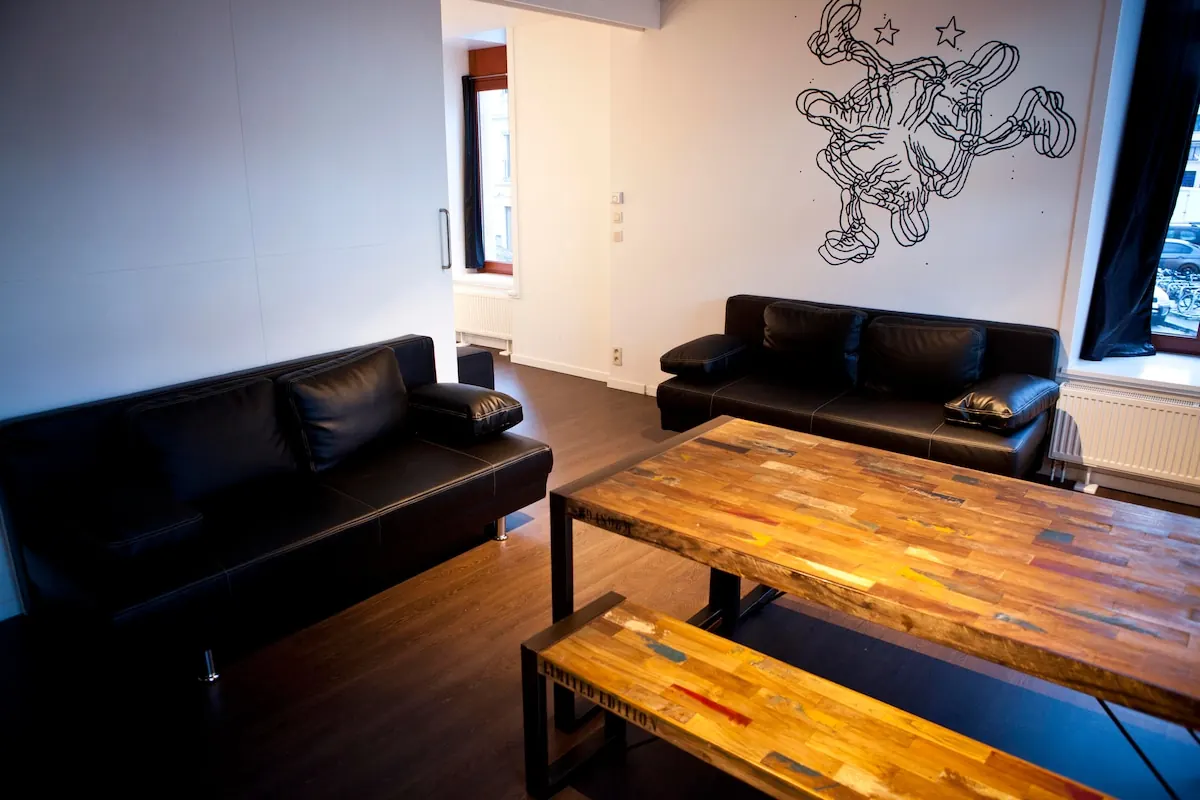
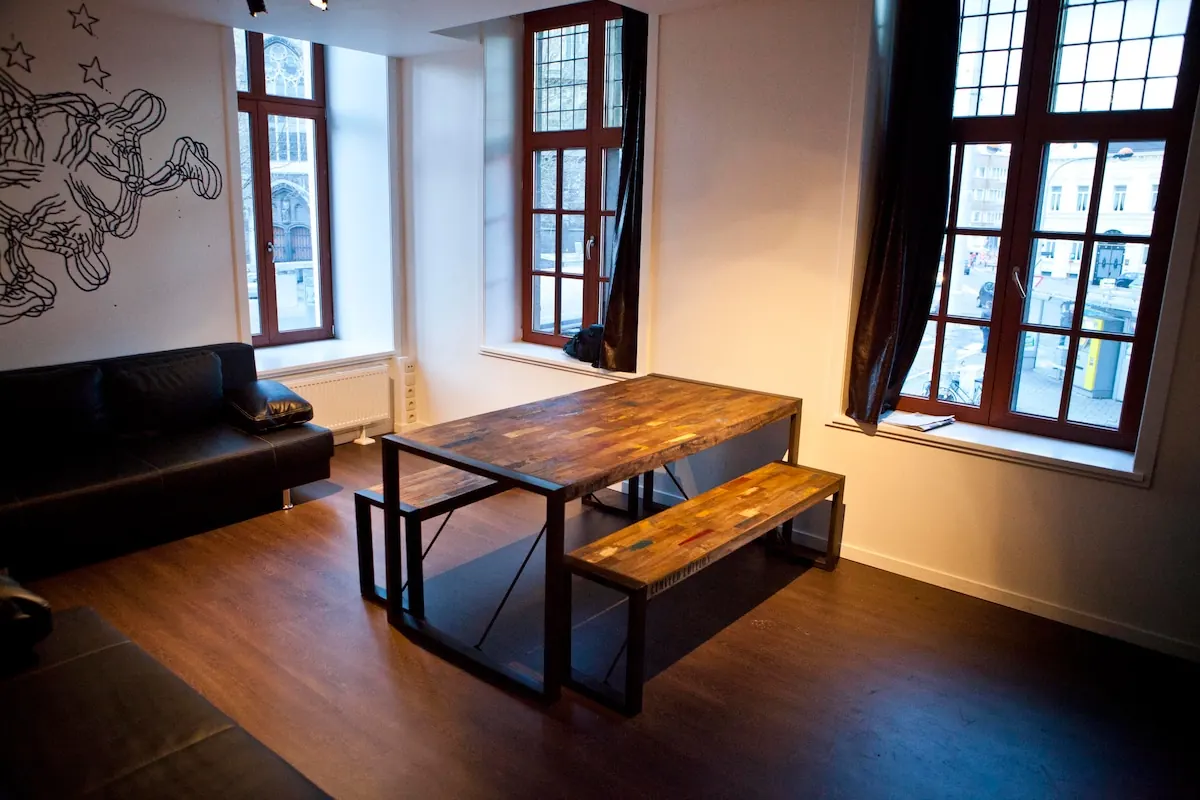
Living room, 2 sofa beds at Band Resort 0.1 in GhentLiving room dining area at Band Resort 0.1 in Ghent

Places to stay in Ghent

3 eligible Host-Pilot stays in this destination.

Living room, 2 sofa beds at Band Resort 0.1 in Ghent

Ghent, Belgium

Band Resort 0.1

From €150 per night

Our apartment on Belfortstreet is located on the corner of Vlasmarkt, right next to Sint Jacobs, placing you in the vibrant, historic Ghent. Within walking distance of Gent Dampoort train station and close to all tourist attractions, bike rentals, and public transport connections. Hungry or thirsty? You won't have to search far. The space Band Resort is a…

View the stay
Living room image 1 at Bed Resort Belfort in Ghent

Ghent, Belgium

Bed Resort Belfort

From €150 per night

**Bed Resort - Belfort** Bed Resort - Belfort is a designer apartment located in the heart of historic Ghent, overlooking St. James Church at the end of Belfort Street. It is within walking distance of Ghent-Dampoort station and close to all tourist attractions, bike rentals, and excellent public transportation. Nearby, you'll find a variety of hospitality…

View the stay
Living room image 1 at Lou Andrea Salome — historic cargo-ship wheelhouse in Ghent

Ghent, Belgium

Lou Andrea Salome — historic cargo-ship wheelhouse

From €150 per night

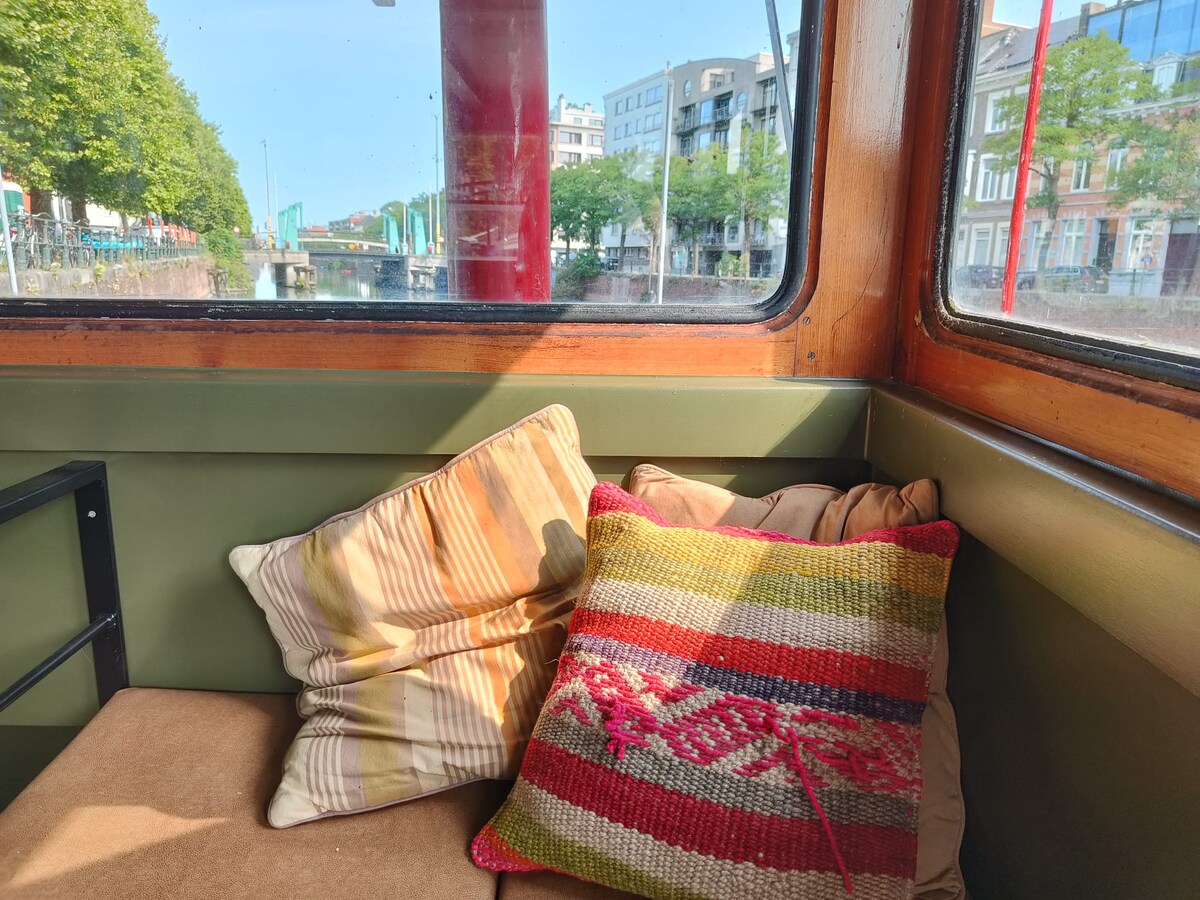
This hundred-year-old wheelhouse was once home to the captain who brought our ship to safe harbors. We converted it into an apartment on the water, a ten-minute walk from the center of Ghent and close to Dampoort station. The space Shower in a floating bathroom deep in the belly of the ship. Cook with views of green trees and high quays, drink coffee in the…

View the stay

Quick answer: Where Ghent sits and why it matters for your stay

Answer-first: Ghent (Dutch: Gent) is a city and municipality in the province of East Flanders in the Flemish Region of Belgium — it is not in Wallonia. That regional placement affects language, transport operators and official tourism channels; municipal information and many local services are published through Visit Gent and Stad Gent, both of which focus on Ghent as a Flemish city. Use Ghent-based resources when you book accommodation and plan travel logistics.

In practice this means Dutch (Flemish) is the dominant local language for signage and municipal pages, though English is widely used in tourism and on accommodation platforms. The city combines an easy central walking area (historic core along the River Leie) with neighborhoods better suited to longer stays or travelling by train — important when choosing a holiday rental that matches arrival and mobility plans.

For verified numbers you should note: municipal population data recorded 268,122 residents for Ghent as of 1 January 2023 (municipal). Short-term rental trackers list over a thousand active listings for the Ghent market (supply snapshots), and Gent-Sint-Pieters is one of Belgium’s busiest rail hubs with reported annual passenger figures in the mid‑tens of millions. These statistics are useful benchmarks when selecting neighbourhoods and timing your visit.

Confirming the municipality: Ghent’s official identity and practical implications

Ghent’s official municipal webpages and the city’s tourism organisation are the authoritative local sources for permits, events and visitor services. Visit Gent is the official tourism entity and Stad Gent is the municipal government portal; both publish practical information for visitors, including museum listings, walking routes and how the city approaches sustainable tourism and events. Using these official channels helps avoid confusion that arises from mislabelling the city’s region.

Because Ghent is in Flanders, regional transport services such as De Lijn trams and buses operate local public transit; national rail is handled by NMBS/SNCB. If your itinerary relies on regional rail or tram connections you should consult municipal and operator pages directly for validated timetables and ticketing methods. The Visit Gent knowledge centre also maintains tourism statistics and policy briefings that explain how Ghent manages visitor flows.

Practical implication for travellers: when you book a rental or ask the host about local rules, expect references to Flemish regulations (for example waste sorting and local permits) and Flemish-language notices. Most hosts and central tourist offices provide English information, but confirming details with official Ghent sources minimises misunderstandings about services and local rules.

Where to stay: neighbourhoods, vibes and how to match them to your trip

City centre (Historic core: Graslei, Korenlei, Patershol). If you prioritise sightseeing on foot, riverside cafes and late-evening dining, the city centre is ideal. Narrow cobbled streets and medieval façades place you within minutes of St. Bavo’s Cathedral, the Belfry and boat-tour departure points. Centre stays suit short breaks and travellers who value instant access to main sights.

Gent-Sint-Pieters & Dampoort (rail hubs). For visitors whose arrival or onward travel depends on trains, neighbourhoods close to Gent-Sint-Pieters station or Gent-Dampoort are practical. Gent-Sint-Pieters is the main intercity station and a short tram ride or bus to the centre; Gent-Dampoort can be useful for regional rail and local bus connections. These areas typically offer better value for larger apartments or longer stays with easy transport links.

Residential quarters (Zuid, Citadelpark, Brugse Poort). Families or travellers seeking quieter streets and green space will prefer South Ghent and areas around Citadelpark. These neighbourhoods combine larger rental apartments with calmer evenings and park access. If you need week- or month-long stays with local shops and fewer tourists, residential districts deliver more predictable, local living conditions.
Accommodation market snapshot and booking platforms to consult

Market context: specialist trackers report sizeable short‑term supply in Ghent. AirDNA’s recent Ghent supply snapshot shows 1,232 active short-term rental listings aggregated across major platforms — a useful indicator of market depth but not a replacement for up-to-date availability checks on booking sites. These supply snapshots help set expectations for selection and pricing windows.

Organic accommodation competitors to compare when booking: major global platforms host the majority of available short-term inventory, but local booking sites and the official Visit Gent accommodation directory are also valuable. Well-trafficked platforms for Ghent include Airbnb (city listings), Booking.com (places to stay overview) and OTAs and local guesthouses listed through Visit Gent’s accommodation pages. Consult at least two platforms to compare cancellation policies and host rules.

Practical booking tips: read the host’s house rules for arrival logistics (self-check-in, keybox, check-in windows), check whether the property is in a pedestrian-only street (common in the historic centre), and confirm whether cleaning fees and tourist taxes are included. For longer stays discuss utilities and waste-sorting expectations with the host; Flemish municipalities often publish guidance for residents and visitors on recycling and local services.

Getting there and around: trains, trams, bikes and airport links

Rail: Gent-Sint-Pieters is the city’s main railway station and a primary arrival point for intercity trains. Public data and transport descriptions highlight the station’s heavy passenger flows and frequent intercity links to Brussels, Antwerp and Bruges. If you plan day trips by rail, use NMBS/SNCB timetables for up-to-date connections and platform information.

Airport and coach links: travellers from Brussels Airport normally transfer at Brussels-Midi (Brussel-Zuid) for direct intercity trains to Gent-Sint-Pieters; total door-to-door times range depending on transfer choices. Seasonal coach routes and regional shuttle services connect Ghent to major airports — check carriers’ pages for schedules and luggage rules before booking.

Local mobility: Ghent is compact and highly bike-friendly, with rental stations and private bike shops. De Lijn runs trams and buses in the city and wider Flanders region; tram routes make many central neighbourhoods reachable. For inner-city short journeys, bike or tram plus a little walking often outrun taxis during peak festival periods.

Top things to do from your holiday rental: sights, museums and walking routes

Historic highlights: St. Bavo’s Cathedral (famous for its altarpiece), the Belfry and Gravensteen Castle are clustered in walkable proximity in the historic core. Many central holiday rentals place you close enough to reach these by foot; factor museum opening days into your itinerary and check official museum pages for seasonal closures or exhibitions.

Riverside life and boat tours: the Leie canals and the Graslei/Korenlei quays are defining features of the Ghent urban landscape and ideal for relaxed riverside dining. Small operator boat tours depart from central piers and offer short, interpretive views of the city’s medieval façades and bridges — check Visit Gent listings for recommended operators and departure points.

Contemporary culture: Ghent has a strong calendar of festivals (film, jazz, and a major city festival), contemporary art at the Museum of Fine Arts and Design Museum Gent, and a lively independent-music scene. If your stay coincides with a festival, book accommodation early and confirm host policies on noise and large guest groups.

Practical booking and local rules: permits, taxes and house norms

Short-term rental rules: Belgium and Flanders have evolving rules for short-term lets; municipal guidance and Visit Gent policy pages explain local expectations for sustainable tourism, local consultation and the types of travellers Ghent promotes. Hosts may reference local waste-sorting rules, quiet hours, and neighbourhood access limits — confirm these details in writing before arrival.

Tourist taxes and invoicing: many rentals add a local tourist tax per person per night; this can be collected by the host or charged via the booking platform. For long stays or group bookings, request an itemised invoice that lists any municipal taxes and cleaning fees so you can compare total trip cost across properties.

Safety and emergency contacts: Ghent’s municipal pages list local emergency services, health facilities and the Visit Gent information desk for lost-property and visitor queries. For transport disruptions, refer to NMBS/SNCB for rail notices and De Lijn for tram and bus changes. Keep a copy of your host’s arrival instructions and an offline map of your rental’s address.

Traveler feedback themes from accommodation and guide sources

Theme 1 — Centrality and walkability: Many guests praise Ghent’s compact historic core and the convenience of staying within walking distance of major sights. This theme emerges consistently across booking platforms and city guides: staying in or near the centre reduces local transport needs and makes early-morning or late-evening exploration easier. (Supporting sources include Visit Gent and major booking platforms.)

Theme 2 — Noise and festival season impact: Multiple accommodation listings and guide pages note that Ghent is an active festival city; properties in the historic centre and student districts can experience higher evening noise during events and weekends. Travellers seeking quiet evenings often choose residential quarters instead of the compact tourist core. (Supporting sources include Visit Gent policy pages and OTA accommodation notes.)

Theme 3 — Good public transport and bike infrastructure, but station-handling varies: Reviewers and transport resources frequently highlight excellent local cycling infrastructure and tram lines for short hops, while also advising guests to plan for peak-hour congestion at Gent-Sint-Pieters and to check NMBS/SNCB notices for rail works. Guests booking with early/late trains should factor in tram/vending hours and local connection times.

Sample itineraries by stay length and accommodation type

Weekend (48–72 hours) from a central holiday rental: Day one — settle in, take a walking loop from Graslei/Korenlei to St. Bavo’s Cathedral and climb the Belfry; evening at a riverside restaurant. Day two — visit Gravensteen Castle and a museum (Fine Arts or STAM) with a boat tour at sunset. Days with short stays benefit from a central apartment to minimise transit time.

Five-day cultural stay from a residential apartment: Use the extra days for day trips (Bruges or Antwerp by train), schedule a slower museum day and include a market visit and relaxed park afternoon near Citadelpark. Staying near Gent-Sint-Pieters can make day trips and airport transfers smoother for groups or families with luggage.

Long stay (week+), families or remote work: Book a larger apartment in Zuid or near Citadelpark for space, local supermarkets and quieter evenings. Use community libraries or cafés for remote work; plan weekday museum visits for lower crowds and reserve weekend festival activities early.

Money, connectivity and useful logistics for booking rentals

Currency and payments: Belgium uses the euro. Hosts may require card payments through a platform, bank transfer for longer stays, or onsite payment at check-in in certain guesthouses. For business invoicing or VAT queries on long stays, request a clear billing statement from the host before confirming the booking.

Connectivity and mobile coverage: Ghent has widespread 4G/5G coverage and most holiday rentals advertise Wi‑Fi; for remote work verify advertised speeds and test during the first day. Many central cafés and public libraries provide sockets and reliable internet for flexible workdays.

Accessibility and special needs: If you need ground-floor access, elevator service or mobility-friendly transport, confirm property details and entrance arrangements with the host. Many historic buildings have narrow staircases and no lift; accurate descriptions on booking pages are essential for selecting an appropriate rental.

Ghent travel facts and current statistics

Municipal population (2023): 268,122 (population on 1 Jan 2023, municipality of Ghent)

municipal, 1 January 2023. View source

Active short-term rental supply (snapshot): 1,232 active short-term rental listings (recent snapshot)

municipal, recent (AirDNA live supply). View source

Passengers per year (Gent-Sint-Pieters): 17.65 million passengers per year (Gent-Sint-Pieters station annual passengers)

station / municipal, annual (most recently reported figure). View source

What travelers consistently mention about Ghent

These are source-attributed themes summarized across current public travel and accommodation material—not Host-Pilot reviews, ratings or testimonials.

Centrality and walkability appreciated by short-break visitors

Guests frequently highlight that staying in Ghent’s historic core places main attractions and riverside dining within easy walking distance; this reduced need for local transport is often cited as a major benefit when choosing a holiday rental in the centre.

Evidence: source 1, source 2, source 3

Noise during festivals and busy weekends

Multiple accommodation listings and municipal guidance note that Ghent’s lively festival calendar and student nightlife can increase evening noise in centre and student-district rentals; many travellers advise selecting residential neighbourhoods for quieter stays.

Evidence: source 1, source 2, source 3

Strong bike and tram infrastructure; rail station is a major hub

Travel content and accommodation feedback consistently praise Ghent’s bike-friendly streets and tram routes for short hops; at the same time, Gent-Sint-Pieters’ high passenger volumes mean travellers should plan connections carefully during peak times.

Evidence: source 1, source 2, source 3

Frequently asked questions about Ghent stays

Where should I stay in Ghent for easy access to sights and trains?

For first-time visitors, base yourself in the city centre (around the Graslei/Korenlei and the Belfry) for short walking distances to St. Bavo’s Cathedral, Gravensteen Castle and riverside cafes. If you prioritise direct rail links to other Belgian cities, neighbourhoods around Gent-Sint-Pieters (the station) or Gent-Dampoort are convenient for regional and intercity trains and direct connections; Gent-Sint-Pieters is Ghent’s main station and is served by the National Railway Company of Belgium (NMBS/SNCB). Choose holiday rentals near tram lines or bike rental points if you prefer local mobility over taxis.

Is Ghent in Wallonia or Flanders? Does that affect travel plans?

Ghent (Dutch: Gent) is a municipality in the province of East Flanders, in the Flemish Region (Flanders) of Belgium — not Wallonia. That distinction matters for regional language signage (Dutch/Flemish is dominant), local taxes and tourism promotion (Visit Gent and Stad Gent handle official tourist services). Transport and event information you consult will usually be published in Dutch and English by Flanders-based authorities.

How many vacation rentals are active in Ghent right now?

Short-term rental market trackers report active short-term listings in Ghent across major platforms. AirDNA’s recent supply overview lists 1,232 active short-term rental listings for the Ghent default market (aggregated across Airbnb, Vrbo and Booking). This is a snapshot measure useful for planning but not a live availability feed; check booking platforms for real-time inventory.

Can I reach Ghent easily from Brussels Airport or Brussels city?

Yes. From Brussels Airport (BRU) travellers commonly take an intercity train to Brussels-Midi/Brussel-Zuid then an intercity to Gent-Sint-Pieters; total journey times are typically around 50–90 minutes depending on connections. Direct coach options exist seasonally. If you prefer rail, consult NMBS/SNCB timetables for the fastest connection on your travel dates.

Are there neighbourhoods better for families or nightlife?

Families often choose quieter residential quarters like Zuid or near the Citadelpark for larger apartments and access to playgrounds, while younger travellers and couples favour the city centre (Patershol, Graslei) for dining and late-night cafes. The Overpoortstraat/Student district is lively into the night; if you want calm after 10pm, avoid properties immediately adjacent to student streets.

Do I need to buy a Ghent CityCard or public-transport pass?

The Ghent CityCard bundles access to many paid museums and boat tours over 24–72 hours and can be a cost-effective choice if you plan multiple paid attractions. For public transport, single tickets and day passes are available; tram and bus tickets are handled by De Lijn (Flanders). Evaluate the CityCard cost versus individual entry costs for your planned itinerary.

Is it easy to find holiday rentals that allow longer stays in Ghent?

Yes — many platforms offer stays of a week or a month. For longer stays outside peak festival dates, you may find competitively priced apartments on Airbnb, Booking and specialised long-stay listings. Market trackers show a substantial active supply, but availability and conditions vary by host and season; always confirm terms directly with the host or provider.

Sources and review notes

Reviewed 2026-10-02. Current schedules, access and prices should be verified at the source.

Related Stay collections

Related destinations