Population (county): Population, Hamilton County: 5,107 (Census, April 1, 2020)
Regional (Hamilton County, NY), April 1, 2020. View source
Import once
Turn your Airbnb or Booking.com listing into a direct booking website and guest guide.
Adirondack lakebase and small‑town gateway
Answer‑first summary: Inlet, New York is a small Adirondack lake‑town — the practical home base for stays on the Fulton Chain of Lakes. Accommodation in Inlet is dominated by private vacation rentals (lake cottages, cabins and multi‑bed houses) with a handful of traditional inns; the town’s compact downtown on NY‑28 provides basic services while nearby Old Forge offers larger shops and attractions. Book waterfront or dock‑included properties early for summer weeks; expect limited public transit and check seasonal operation windows for outfitters and dining. Key facts: Hamilton County population was 5,107 (U.S. Census, Apr 1, 2020) and AirDNA lists Inlet’s short‑term market score as 53/100 (2026 market overview). Use local town pages and state DEC rules for up‑to‑date launch, fishing and land use regulations before travel. (source)
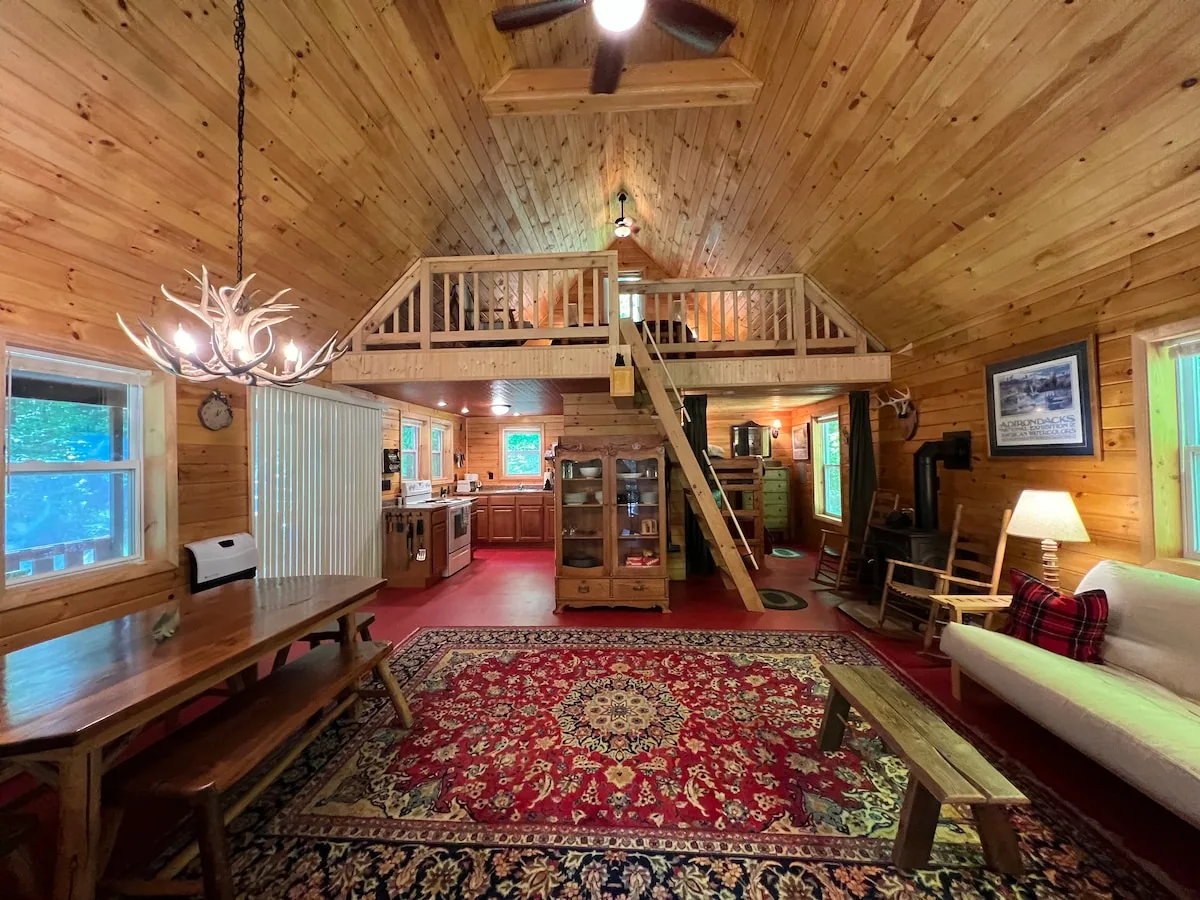
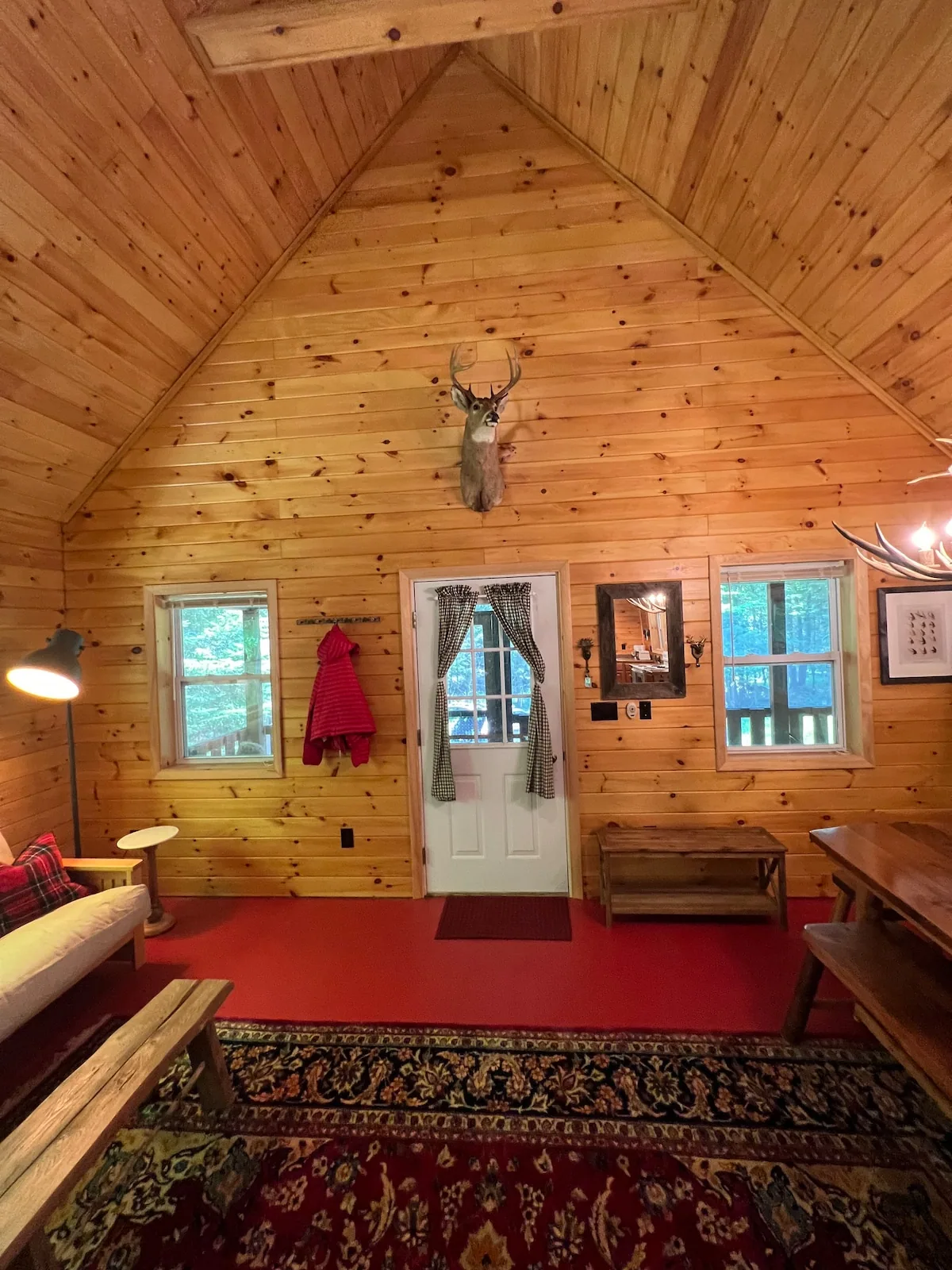
Featured real stay
This very cute, Adirondack cottage is located in a secluded pocket of the Adirondack Woods. While you enjoy the secluded privacy of Parkside Lodge, you are only a short walk from the town of Inlet, with its multiple restaurants, shopping, beach, and recreational area. Miles of hiking and ski trails start just behind the cottage in Fern Park. At the end of…
Indicative price from €150 per night. Verify dates, fees, currency and terms on the property website.
Inlet is a hamlet and the central community of the Town of Inlet in Hamilton County, New York, positioned on the western end of the Fulton Chain of Lakes. It’s best known as a gateway to Fourth Lake and Fifth Lake, with a compact downtown built along NY‑28 that serves visiting boaters, paddlers, anglers and hikers. The town’s location inside the Adirondack Park makes it a small but strategic base for both water‑based recreation and forested trail access. (source)
Geographically, Inlet lies in the west‑central Adirondacks roughly 7–10 miles west of Old Forge (depending on route and lake crossings) and approximately 80–95 driving miles north of Syracuse Hancock International Airport. Route 28 is the primary artery through town; many visitors travel by car because regional public transit is limited. Use the town’s official guidance for directions and seasonal road notes. (source)
For visitors focused on lake access and small‑town services, Inlet’s shorelines, boat ramps and a small cluster of shops and outfitters make it practical for short vacations. The Town of Inlet publishes planning and visitor materials that describe public docks, parks and conservation lands—use those before launching watercraft or entering state lands. (source)
The accommodation mix in Inlet is dominated by private vacation rentals (whole cabins, lake houses and cottages) listed on major marketplaces; these provide the highest choice of waterfront access, private docks and multi‑bedroom layouts for families. Market analytics show Inlet is a small but active short‑term market—owners typically list by lake or proximity to downtown. Plan and compare listings early for prime summer weeks. (source)
For travelers who prefer a traditional inn experience you’ll find a few locally managed inns and B&Bs that emphasize Adirondack character and on‑site hospitality. These properties are fewer than online rentals but can offer convenient downtown locations, included breakfasts and local orientation. Reserve directly in winter and peak summer to confirm services. (source)
If you need simple camping, cabins or seasonal cabins check state campground options, private campgrounds in the Fulton Chain corridor, and rental agencies that manage multiple properties. Note that many camp and cabin operators in the Adirondacks operate seasonally and have limited winter services; check opening windows before travel. (source)
Peak demand is concentrated in summer (June–August) and during fall foliage weekends (late September–mid October). If you need lakefront access, private docks or large family capacity, book as early as possible—many popular weeks are reserved a year in advance by returning visitors. Use multiple marketplaces and local rental managers to compare cleaning policies and arrival logistics. (source)
For off‑peak stays (spring shoulder season and winter), pricing and availability improve but some services (boat rentals, restaurants and outfitters) may be limited or closed for the season. Winter travelers should confirm snow‑management on private driveways and whether properties provide winterized plumbing. Many hosts list seasonal notes—read them carefully. (source)
If you’re planning a multi‑property group stay (several cabins or houses), contact local managers or the town info office to coordinate arrivals, parking and potential local permits; small municipal parking and ramp capacity can be constrained on busy holiday weekends. The Inlet Information Office or town pages contain planning resources and maps. (source)
Driving is the most practical option to reach Inlet. NY‑28 runs through town and connects to major north‑south routes; allow extra time in winter and fall when leaf‑peepers or snow can slow traffic. The town offers practical ‘Getting Here’ directions for common approaches—use them for up‑to‑date seasonal advice. (source)
Nearest larger airports are Syracuse Hancock International (SYR) and Albany International (ALB); from either you’ll need a rental car for the final leg. Public transit into Inlet is limited—regional bus services do not serve the hamlet directly—so plan for a car transfer or private shuttle if you prefer not to drive. (source)
Once in Inlet, expect to walk local streets and short distances to docks and downtown services. For exploring the wider Fulton Chain and state lands, a vehicle is useful. During snow seasons snowmobiles and groomed trails are a common local transport choice for recreation—follow state and local trail maps for permitted routes and trailhead parking. (source)
The Fulton Chain of Lakes is Inlet’s primary draw—Fourth Lake and Fifth Lake offer boating, kayaking and fishing with public launch ramps and seasonal rental operators. Paddlers can use short portages to explore adjacent lakes; most rental listings advertise boat access and private docks. Always confirm launch rules and motor restrictions for individual lakes. (source)
For hikers the area offers short family‑friendly trails and longer routes that connect into the broader Adirondack trail network. Day trips to nearby state lands and viewpoints are common; bring maps, insect protection in summer and be prepared for changing weather at higher elevations. Visitor materials published by the town and regional Adirondack guides list recommended trails and safety notes. (source)
Families will find attractions within short drives—water parks near Old Forge, short nature trails, and seasonal festivals hosted by the town. Anglers should check New York State DEC regulations and local fishing guides for species, seasons and license requirements. For quiet days, many rentals provide private beachfronts or docks suitable for swimming and shoreline relaxing. (source)
Old Forge (east) is the closest larger village and a natural day‑trip destination for groceries, larger outfitters and the state’s biggest water park; it’s also a hub for organized boat tours and additional rental options. Many visitors combine Inlet and Old Forge stays to access broader services. (source)
Long Lake and Raquette Lake are accessible day trips for paddling and scenic drives; both provide different lakeside character—Long Lake is more expansive and Raquette Lake has historic Great Camp architecture and quieter waters. Plan extra driving time on scenic but slower Adirondack roads. (source)
If you have an extra day consider a loop toward Blue Mountain Lake or the Moose River Plains region for alpine viewpoints and more remote hikes. Each neighboring corridor has distinct trailheads and parking rules—confirm access and seasonal restrictions with the town’s visitor pages or DEC. (source)
Inlet’s compact downtown includes a grocery/general store, deli/cafés and small restaurants—sufficient for everyday needs but not for specialty shopping. Many visitors make one run to a larger supermarket in Old Forge or a regional center before settling in. If you need medical services, urgent care or pharmacy access, Old Forge and larger towns are the nearest options. (source)
Bring or rent essential outdoor equipment in advance: lifejackets, paddles, child safety gear and snow‑appropriate vehicle equipment in winter. Outfitters in and around Inlet and Old Forge rent boats, kayaks and motorboats seasonally; contact them for reservations and safety briefings. (source)
Connectivity can vary. Many vacation rentals provide Wi‑Fi, but cellphone coverage and broadband speeds are uneven inside the Adirondack Park—work with hosts to confirm connectivity if you need reliable broadband for remote work. For navigation, use both GPS and offline maps, as short stretches of road may have limited signal. (source)
Inlet sits within the six‑million‑acre Adirondack Park, which includes mixed public and private lands with specific conservation rules. Respect posted signs, private property, Leave No Trace principles, and local boat and fishing regulations while visiting. The Town of Inlet’s comprehensive master plan outlines local land‑use priorities and visitor‑oriented policies—consult those documents when planning large group stays or events. (source)
Some lakes and state lands have restricted access or seasonal closures for wildlife protection and water quality. If you’re launching boats at state ramps follow DEC requirements for aquatic invasive species prevention (clean, drain, dry) and adhere to posted motor restrictions on smaller lakes. These rules protect the lakes that draw most visitors. (source)
If you plan a multi‑unit rental or commercial activity, check local registration and tax rules: short‑term rental hosts generally must comply with municipal permitting and state tax collection. The Town of Inlet’s offices can confirm current rules and any temporary event permitting requirements. (source)
Regional (Hamilton County, NY), April 1, 2020. View source
City/local market (Inlet, NY), 2026. View source
These are source-attributed themes summarized across current public travel and accommodation material—not Host-Pilot reviews, ratings or testimonials.
Multiple accommodation marketplaces and short‑term rental market data show lakefront properties with private docks or guaranteed launch access are commonly prioritized by renters. Listings and market analysis indicate guests book earlier for these features and they significantly shape nightly rates and availability.
Accommodation inventories and town visitor guidance consistently note many businesses and rental services operate seasonally. Guests visiting off‑peak should confirm boat rental availability, restaurant hours and winterization details, since services are reduced outside summer and peak fall weekends.
Regional demographic and visitor information, plus marketplace listings, indicate that visitors should plan for limited public transit, variable cell/Wi‑Fi service, and seasonal road conditions. Many hosts and guides recommend a car and checking connectivity with hosts prior to arrival.
Inlet offers a mix of vacation rentals (lakefront cottages, cabins and whole houses), a small number of inns and B&Bs, and seasonal camp/cabin operations. Major online marketplaces list hundreds of short-term options for the Fulton Chain of Lakes corridor, while a few traditional inns and local rental managers operate year-round. If you want waterfront access, search for Fourth Lake or Fifth Lake properties; for quieter forested stays look toward the trails and state lands outside town.
Inlet sits on NY State Route 28 in the west‑central Adirondacks. The nearest major regional airport is Syracuse Hancock International (SYR), roughly 80–95 miles (about 1.5–2.0 hours by car depending on route and conditions). Albany International (ALB) is farther. Driving is the most practical option; public transit into Inlet is extremely limited so arrange a rental car or shuttle in advance.
Late May–September is peak season for boating, swimming and paddling on the Fulton Chain; July–August is warmest and busiest. Fall foliage (late September–mid October) draws leaf‑peepers for short scenic hikes and driving tours. Winter (December–March) suits snowmobiling, cross‑country skiing and ice fishing, but many services operate seasonally—check individual accommodation and activity provider pages before booking.
Inlet’s downtown has a small cluster of services—general store/grocery, casual restaurants, cafés, and outfitters—sufficient for a short holiday but not for extensive shopping. For larger supermarkets, medical services, specialty stores or major restaurants, nearby Old Forge (about 7–10 miles east) offers more options. Bring supplies for trips into remote trails and lakes.
Yes. New York State requires a current fishing license for anglers and registration for motorized watercraft; regulations differ for non‑motorized craft and certain state lands. If you plan to launch at state ramps or fish on state waters, check the New York State Department of Environmental Conservation (DEC) and New York State Office of Parks rules for required permits, seasons and limits.
Yes—many rentals around the Fulton Chain of Lakes cater to families, offering multi‑bedroom houses, private docks, and space for kids to swim or paddle. Nearby attractions include water parks, short family hikes, and boat rentals. During peak summer weeks book early; if you need baby/child‑specific gear check with the property manager in advance.
Local short‑term rental rules vary by municipality. The Town of Inlet has planning documents and a master plan that reference tourism and lodging; owners and renters should review town regulations and any required permits. In addition, statewide rules (for taxes, health and safety, and registration) apply—confirm with the town clerk or municipal offices before booking or listing.
For fall bring layered clothing (cool mornings, warm afternoons), waterproof hiking shoes, and windproof outer layers for lakeside breezes. For winter pack insulated boots, thermal layers, a waterproof jacket, microspikes or snowshoes for hiking, and vehicle winter supplies if driving—many roads remain open but conditions change rapidly. Check weather and road advisories before travel.
Reviewed 2026-08-25. Current schedules, access and prices should be verified at the source.