Population: Population 8,024 (Census Apr 1, 2020)
Sequim city, April 1, 2020. View source
Import once
Turn your Airbnb or Booking.com listing into a direct booking website and guest guide.
Sequim, WA — practical destination guide
This guide helps travelers choose Sequim accommodation with conservative, source‑backed advice: where to stay, how to travel here, what to do from different lodging clusters, booking and accessibility tips, and recurring traveler feedback themes. The city of Sequim sits in Clallam County on the northeastern Olympic Peninsula and functions as a practical base for visits to the Dungeness Spit, local lavender farms and North Olympic National Park access points. We resolved municipal identity using the City of Sequim and U.S. Census QuickFacts, and anchored transport guidance to Clallam Transit and Jefferson Transit route information. Use the sources listed for up‑to‑date timetables, event calendars, and property details when you book.
Featured real stay
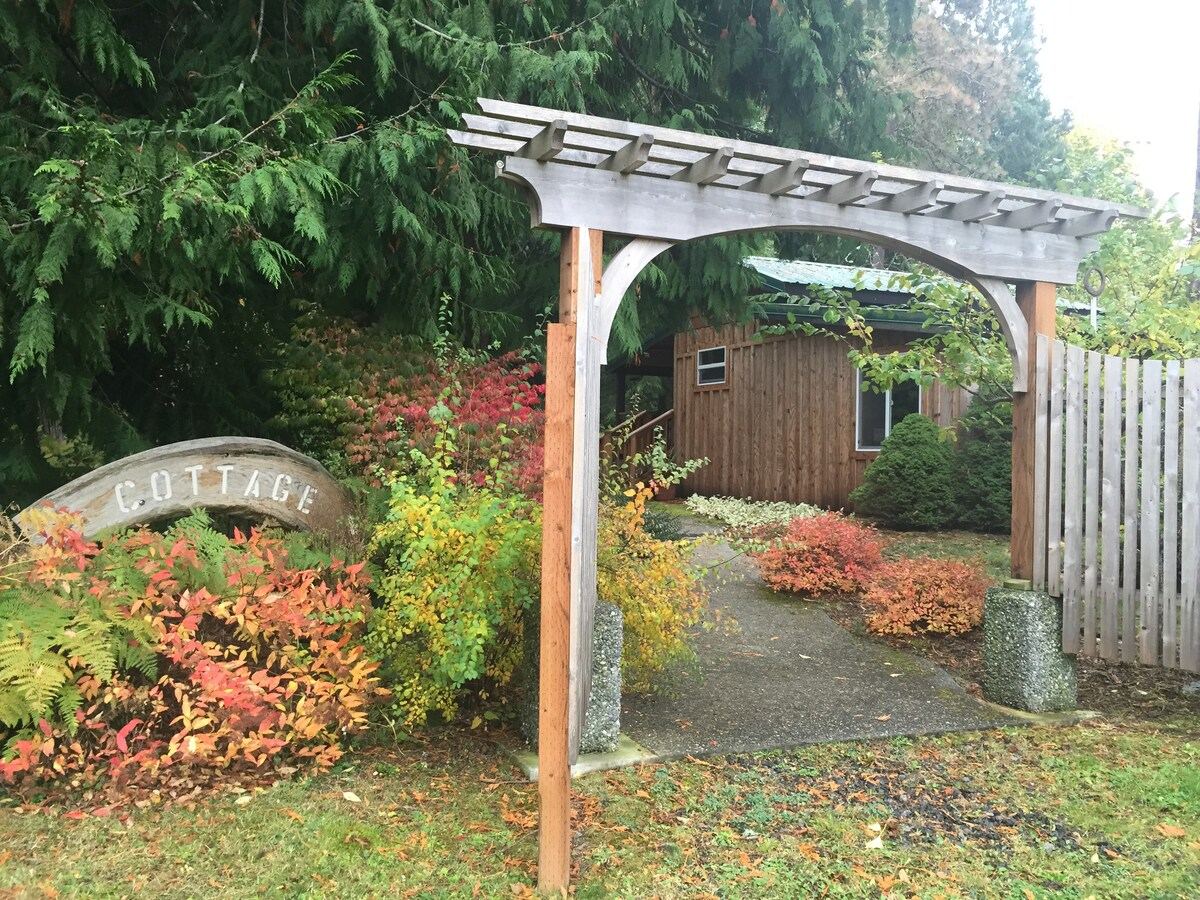
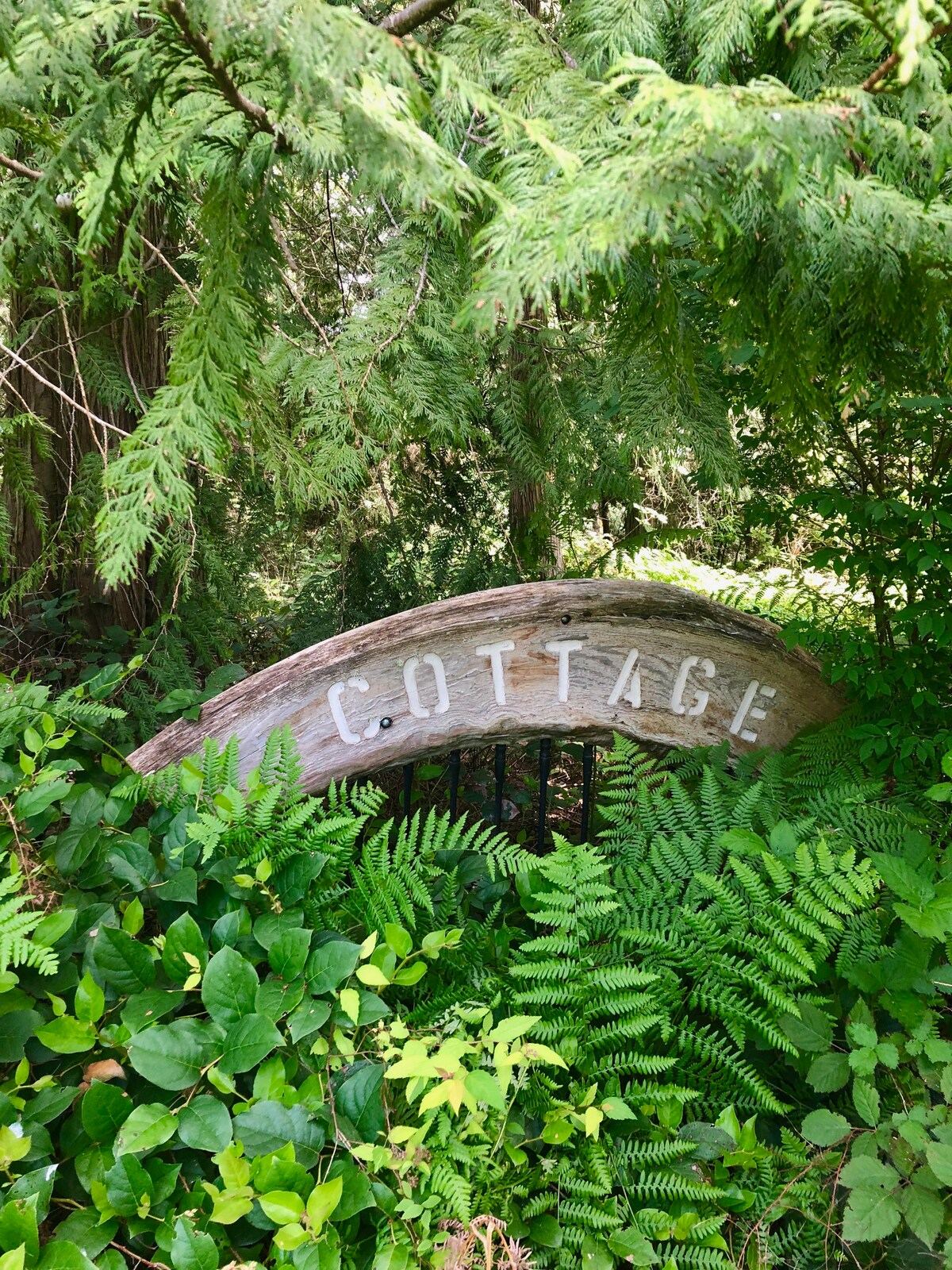
Nestled in a grove of cedar and spruce, the Cottage is a cozy place to relax in a country setting. Perfect for a couple, two singles, or a small
Indicative price from €150 per night. Verify dates, fees, currency and terms on the property website.
Sequim accommodation is appealing for travelers who want a quiet small‑town base with direct access to coastal landscapes, working lavender farms and the western flanks of Olympic National Park. The city sits on the drier, rain‑shadow side of the Olympic Mountains, which makes it one of the peninsula’s sunniest towns and a logical overnight base when your priority is easy day trips to Dungeness Spit, Port Angeles, and select park trailheads. The area’s accommodation mix ranges from family‑sized vacation rentals and lakeside cottages to small inns and economy motels tailored to practical stays.
Staying in Sequim puts you within short drives of diverse attractions: the Dungeness Recreation Area and Spit, a network of lavender farms and agritourism stops, and several waterfront parks along the Strait of Juan de Fuca. The locality’s small‑town services mean most essential amenities—grocery stores, a handful of casual restaurants, fuel and a pharmacy—are a short drive from downtown lodging, making Sequim convenient for families and independent travelers.
Sequim also offers quieter evenings and often better short‑term rental value compared with busier coastal towns. If your travel plan includes overnighting for outdoor activity (hiking, birding, beachcombing), culinary exploration tied to local producers, or family stays that need kitchens and space, Sequim accommodation is a pragmatic choice on the northeast Olympic Peninsula.
This guide treats Sequim as the incorporated city of Sequim, Washington, within Clallam County — the municipality shown in official city and census records. For municipal planning, park guidance, and local regulations use the City of Sequim’s official site and documents for authoritative boundaries and services. The city proper centers along US‑101 with outlying residential and agricultural areas extending into the Sequim‑Dungeness Valley. (See municipal sources in the references.)
When selecting places to stay, think in three practical clusters: downtown Sequim (walkable access to shops and restaurants), Dungeness and Port Williams (waterfront, farms and beach access), and the valley’s rural lanes east of town (lavender farms, countryside rentals). Each cluster serves a different travel profile: downtown for convenience, Dungeness for nature and waterfront trails, and rural rentals for agritourism and quieter nights.
If you need official contact or planning details—parking, municipal services, or events—use City of Sequim pages. For visitor‑focused resources, the Sequim‑Dungeness Valley Chamber of Commerce provides a comprehensive events calendar, farm listings and seasonal highlights that also help to choose lodging by proximity to specific activities.
Downtown Sequim (near Washington Street and the US‑101 corridor) is the most practical choice if you want short walks to coffee shops, a small cluster of restaurants and easy access to grocery stores and services. Accommodations here are typically motels, boutique inns and some centrally located vacation rentals that favor convenience over seclusion.
Dungeness and Port Williams are the shoreline neighborhoods where many visitors prefer cottages and waterfront cabins; these placements are best if your priority is walking the Dungeness Spit, tide‑pool exploration, or shoreline birding. Expect a mixture of privately managed cottages and smaller vacation‑rental homes, sometimes with direct beach access or water views.
The Sequim‑Dungeness Valley’s rural roads east of town contain working lavender farms and larger multi‑bedroom vacation homes. This area is a strong fit for travelers who want to pair festival visits or farm tours with spacious rentals, on‑site parking and the option to self‑cater. Roadside distances are short by regional standards — most points of interest are within a 15–25 minute drive from these rural clusters.
Most visitors reach Sequim by private car. Sequim is located on the northeastern Olympic Peninsula and is commonly accessed by driving across the Tacoma Narrows Bridge (SR‑16) then following US‑101 west and north. If you plan to rent a car at Seattle–Tacoma International Airport (Sea‑Tac), allow 2.5–3.5 hours for the drive depending on traffic and route. For public‑transport alternatives, regional bus services run scheduled routes to Sequim but are less frequent than metropolitan transit systems.
Clallam Transit operates local and regional routes serving Sequim and connections to Port Angeles; Jefferson Transit maintains Route 8 connections that can bring visitors from Jefferson County into Sequim. These services provide useful commuter and local links, but many key trailheads and rural farm roads are easier to reach with a private vehicle or prearranged transfer. Check official transit route pages before travel for current timetables and route maps.
If you plan to combine a ferry crossing to Victoria, BC or other island stops, routes and timetables vary seasonally. For local last‑mile transport, many vacation rentals provide off‑street parking; taxis and rideshares operate but coverage can be intermittent in off‑peak hours so book transfers in advance when possible.
Dungeness Spit and Wildlife Refuge: A short drive from most Sequim accommodation, the Dungeness Spit trail is one of the peninsula’s signature coastal walks. The long sand spit and adjacent refuge are excellent for birdwatching and low‑tide shore exploration; plan for tide awareness because access and exposed areas shift with tidal schedules.
Lavender farms and agritourism: Sequim is known for its lavender farms and agritourism, with several commercial growers offering farm shops, seasonal tours and occasional events during summer months. A stay in the Sequim‑Dungeness Valley facilitates easy visits to multiple farms without long drives, particularly if you stay in rural valley accommodation.
Day trips to Olympic National Park: Sequim is a convenient base for access to the park’s north side attractions, including Hurricane Ridge and the forested foothills. Port Angeles is a short drive away and offers park visitor centers, interpretive trails and access points for alpine hikes. Sequim’s location makes it practical to plan full or half‑day outings into the national park while returning to the comfort of valley lodging.
Sequim’s restaurant scene is small but serviceable, with an emphasis on local producers and casual dining. Downtown offers cafés, bakeries and small bistros suited to breakfast and lunch; several local eateries and gastropubs serve seasonal dishes that highlight regional seafood and farm produce.
For groceries and supplies, Sequim has full‑service supermarkets and small specialty shops for local goods and artisan food items. If you plan to cook in a vacation rental, grocery options in town cover all needs from basic staples to higher‑end local specialties.
Farm stands and on‑farm shops are common in the valley, and many lavender farms sell distilled products, culinary lavender and packaged goods. Visiting a farm shop is a convenient way to buy locally produced items while supporting small businesses and producers in the Sequim‑Dungeness Valley.
Book early for high‑season weekends: July (lavender peak), holiday weekends and special event dates draw strong demand from regional visitors. If you plan to visit in July or around any advertised lavender events, reserve your accommodation several months ahead to secure the type and size you need.
Read listing details for access and suitability: Many vacation rentals are on rural or gravel roads and require clear arrival instructions. Confirm parking availability, whether a property has stairs (important for limited mobility), and which utilities or facilities are included. Small inns and motels sometimes list family‑friendly rooms or kitchenettes — use platform filters and direct property descriptions.
Consider cancellation and communication policies: Smaller hosts and local managers vary in cancellation flexibility and check‑in procedures. Confirm communications channels and local contact numbers in case of late arrivals or questions about the property. If you need local guidance on activities or restaurant reservations, ask the host — many are longtime residents with useful, current recommendations.
Weather and seasonality: Sequim’s microclimate is drier than the west side of the Olympic Mountains, but conditions can still change quickly—dress in layers and expect cooler evenings even in summer. For beach and spit walks, check current tide tables and weather forecasts before setting out to avoid unexpected high tides or winds.
Wildlife, trail safety and park rules: When visiting dune and coastal areas, follow posted refuge rules and Leave No Trace principles. Sequim’s shoreline and nearby forested trails host a variety of wildlife; keep an appropriate distance from animals, pack out waste, and follow posted regulations at park trailheads and refuge boundary signs.
Accessibility: Some town center hotels and newer vacation rentals offer accessible rooms or ground‑floor entries, but many privately owned cottages and rural rentals have steps and uneven surfaces. If mobility access is essential, confirm accessible features directly with the property owner or manager before booking; municipal resources and some regional transit services may offer paratransit options.
Sequim city, April 1, 2020. View source
Clallam County (regional), 2020 Census. View source
These are source-attributed themes summarized across current public travel and accommodation material—not Host-Pilot reviews, ratings or testimonials.
Multiple accommodation platforms and the local chamber note increased visitor demand in July when lavender farms reach peak bloom and festivals occur. Travelers should expect reduced short‑term rental availability and higher competition for central and farm‑adjacent properties during mid‑July festival weekends.
Market listings show a mix of family‑sized vacation rentals with kitchens and small hotels/motels that serve short overnight needs. Travelers choosing multi‑bedroom rentals typically cite convenience for family or group stays and the ability to self‑cater, whereas short‑stay visitors often pick centrally located inns for walkable access to downtown facilities.
Regional transit agencies operate scheduled routes to and from Sequim, but service frequency and first/last‑mile coverage are limited compared with urban areas. Multiple sources therefore recommend a rental vehicle for flexible access to rural farms, beachheads and Olympic National Park trailheads.
Choose lodging in the Sequim city center or Dungeness/Port Williams corridor for easy access to restaurants, shops, and the Sequim-Dungeness Valley lavender farms. The city center (near Washington Street/US‑101) places you within walking distance of downtown cafes, the farmers’ market seasonally, and short drives to the Dungeness Spit, while accommodations along the Dungeness waterfront or near Diamond Point give quicker access to beaches and waterfront trails. If you prefer a quieter, rural experience choose vacation rentals on the valley’s east side — you’ll be closer to working lavender farms and scenic country roads.
Driving distance and time depend on route and whether you use a ferry. By road, Sequim is roughly 85–95 miles (Seattle to Sequim via Tacoma Narrows Bridge and US‑101) and typically requires about 2.5 to 3.5 hours of driving without heavy traffic. Many visitors combine a Seattle–Port Townsend/Port Angeles ferry or other peninsula routes; public transit connections require multiple bus transfers. For precise schedules and current travel times consult Washington State ferry and local transit pages before you travel.
Yes. Clallam Transit operates bus routes serving Sequim and connections to Port Angeles; Jefferson Transit provides a Route 8 connection that reaches Sequim from Jefferson County. These systems run scheduled routes (including commuter services) that are useful for regional travel, but services are less frequent than in metropolitan areas so plan around published timetables and consider taxi/ride-hailing for first/last-mile legs.
Sequim’s main lavender season generally peaks in mid‑July, with festival events and farm tours clustered around that time. If you want to attend the Lavender Festival or visit working farms at peak bloom, book accommodations and transport several months in advance — particularly for July weekends — because inventory tightens in the weeks around the festival.
From Sequim you can day‑trip to the Dungeness Spit and Wildlife Refuge, drive to Hurricane Ridge in Olympic National Park for high‑country hiking, explore saltwater beaches and tidepools along Discovery Bay, and use waterfront trails for birdwatching and easy walks. Many vacation rentals also make it convenient to bring bikes or arrange guided tours for kayaking, whale‑watching, or horseback riding on neighboring coastal areas.
Yes. The marketplace around Sequim includes family-sized vacation rentals and small hotels/motels with multi‑bedroom units and kitchen facilities—use filters on major rental platforms to find properties that cite family amenities, extra beds, and children’s features. For larger groups, privately managed multi‑bedroom homes (vacation rentals) are commonly available in the Sequim and Dungeness area.
A vehicle is highly recommended for flexible exploration: many of the top natural attractions, farm roads, and nearby points of interest on the Olympic Peninsula are spread out and public transit coverage is limited. If you prefer not to drive, plan carefully around bus timetables, pre‑arranged transfers, or guided tours to access national park trailheads and more remote beaches.
Reviewed 2026-08-25. Current schedules, access and prices should be verified at the source.