Mackenzie Basin travel guide

Twizel accommodation — places to stay in Twizel

This destination guide gives practical, conservatively‑sourced travel information for visitors looking for Twizel accommodation and places to stay in the Mackenzie Basin. It explains how to get to Twizel, the types of vacation rentals and self‑catering options available, transport links including coach and local air access, and how to use the town as a base for Lake Tekapo, Aoraki / Mount Cook and local lakes. The guide synthesises official population and council material, local accommodation providers, and coach‑operator information so you can plan bookings, vehicle and boat logistics, and daily itineraries with confidence.

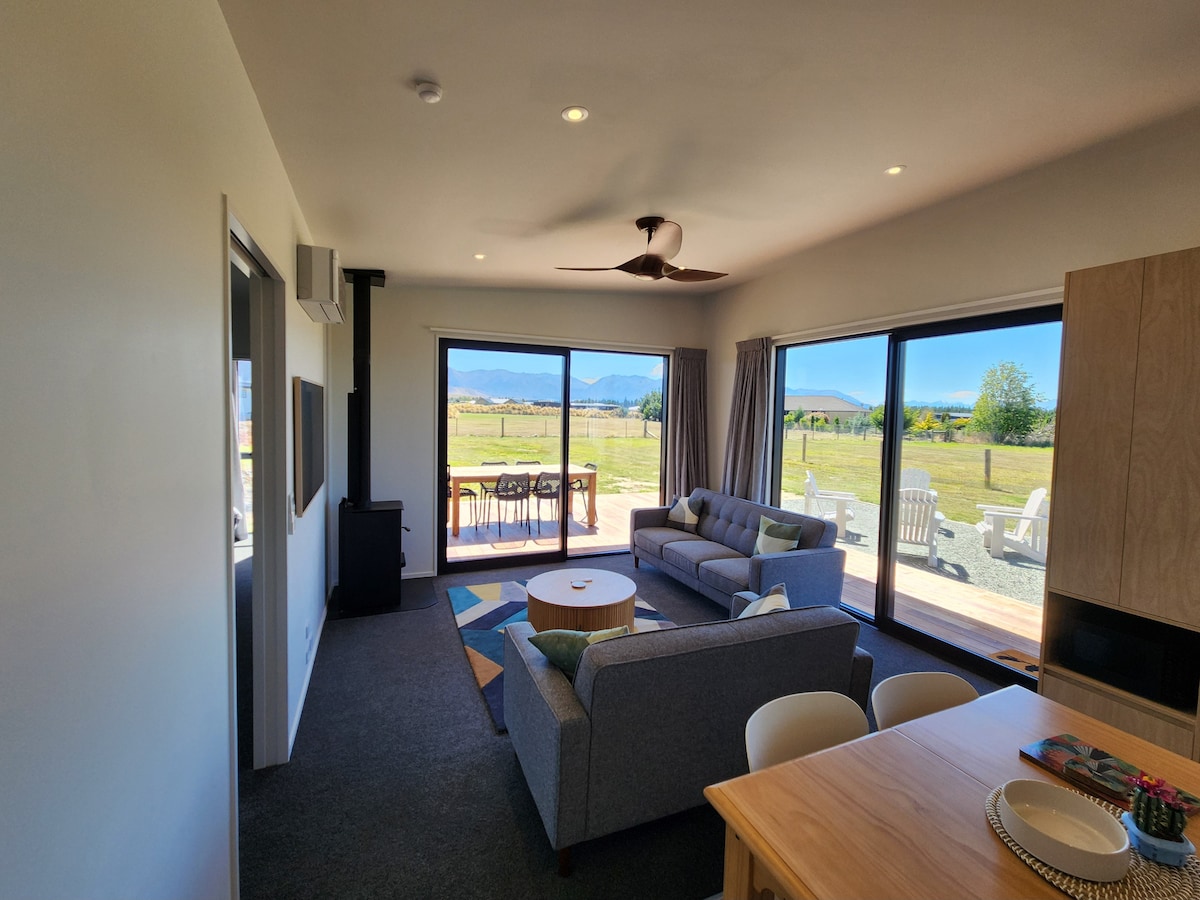
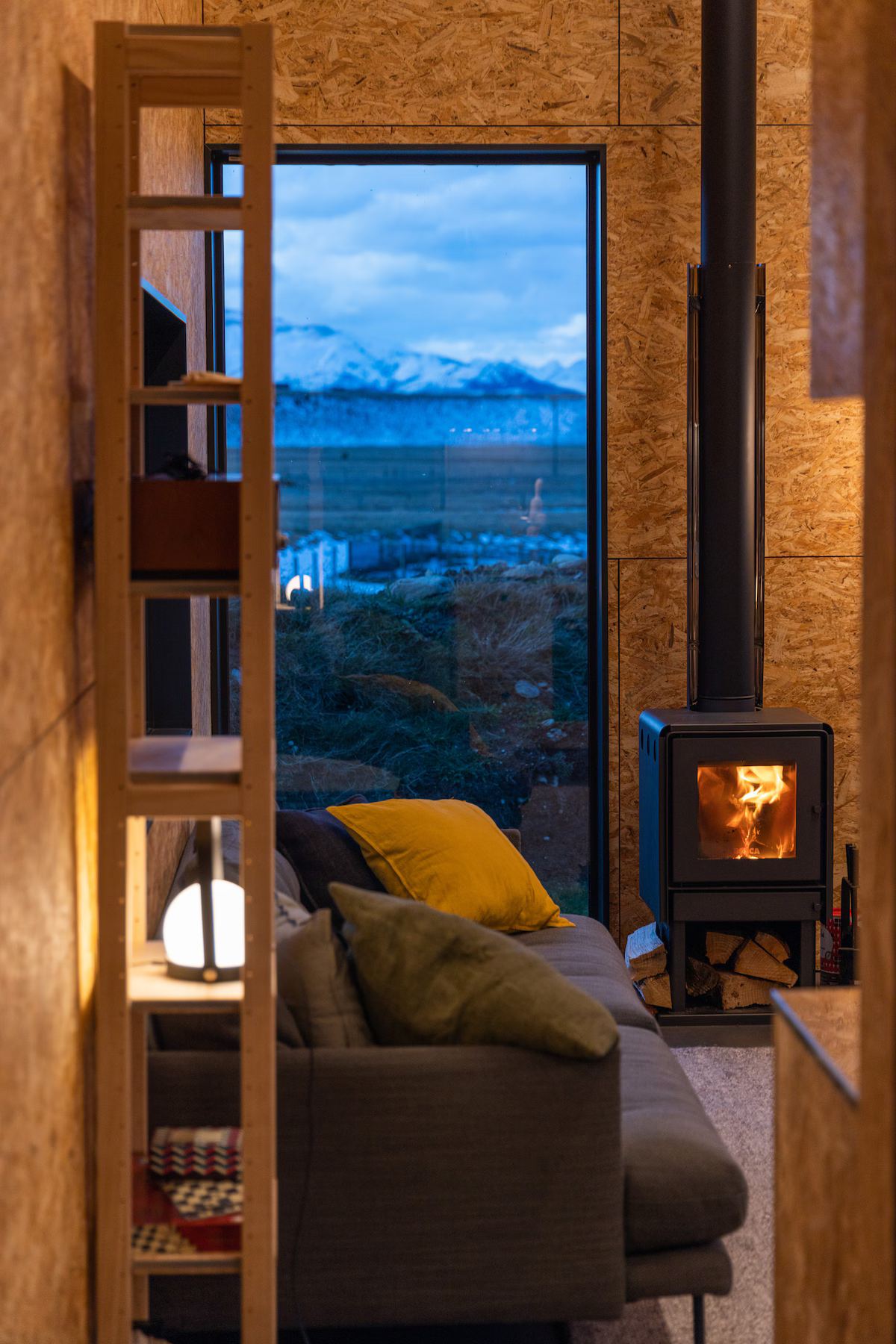
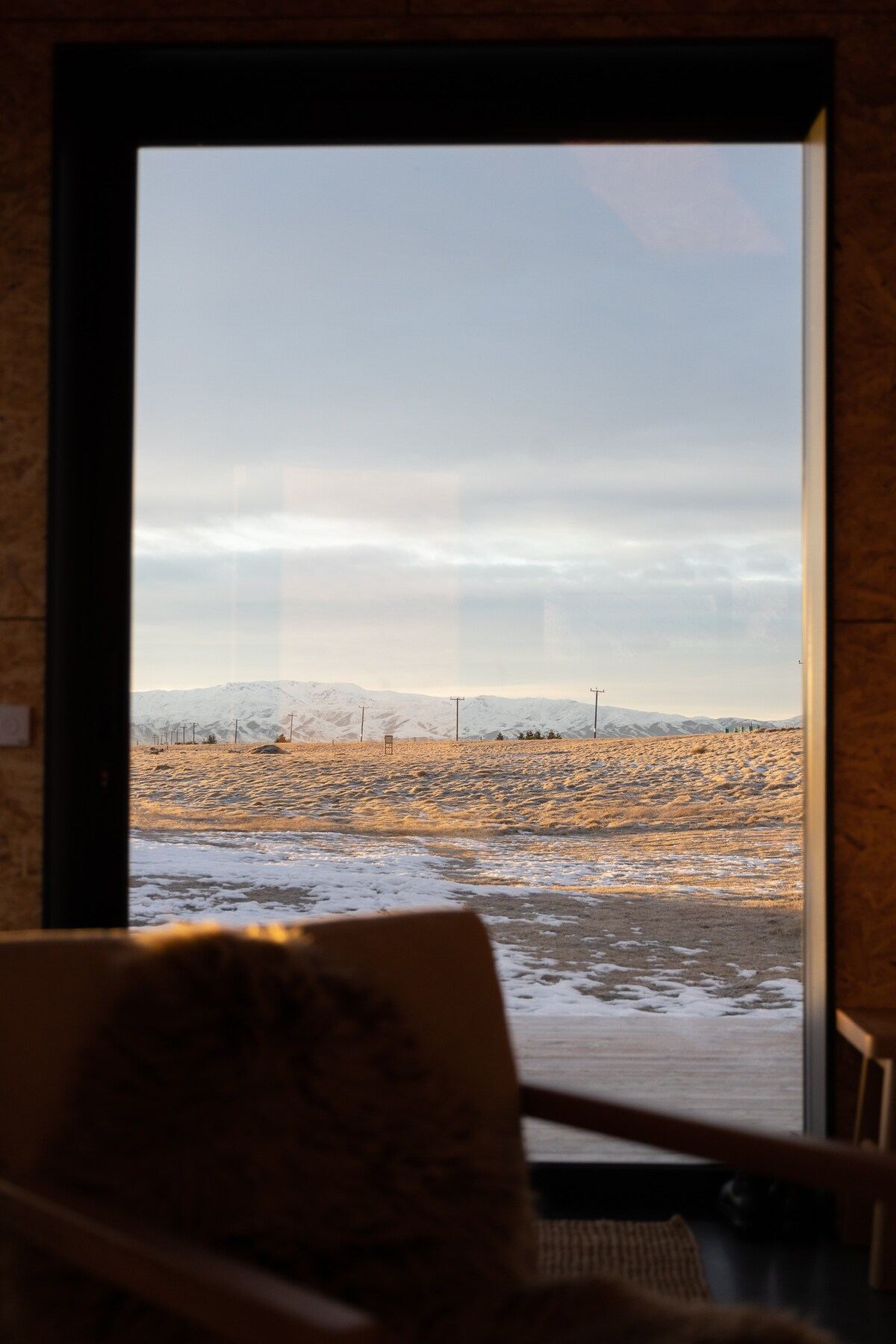
Ruataniwha Hut in Twizel — property photo 1Ruataniwha Hut in Twizel — property photo 2

Places to stay in Twizel

Ruataniwha Hut in Twizel — property photo 1

Ruataniwha Hut

Welcome to Ruataniwha Hut, an intimate wood-fired cabin in the high country of the Southern Alps. Wake to coffee and mountain views. Spend your days exploring Aoraki / Mt Cook National Park. Return to unwind under a blanket of stars. Set in an international dark sky reserve, the hut is built for couples and small families craving a simple escape. Ruataniwha…

Nest on Temple | Best on Temple vacation rental

Nest on Temple | Best on Temple

An architectural retreat beneath vast alpine skies, offering uninterrupted 360° mountain views and calm, contemporary comfort. Designed for travellers who value thoughtful design and comfort, the home blends boutique-hotel comfort with the freedom of a private escape; ideal for couples, families, or friends seeking space, quiet, and connection to the…

At a glance: what Twizel is and who it suits

Twizel is a compact service and visitor town in the Mackenzie Basin of New Zealand’s South Island. Built in the 1960s to house hydro‑electric workers, it now functions as a hub for outdoor recreation and regional tourism with easy road links to Lake Tekapo and Aoraki / Mount Cook National Park. Its flat townsite, lakeside reserves and proximity to irrigation lakes make it particularly convenient for families, self‑catering groups and anglers who need boat parking and storage.

The town works well for travellers who prioritise self‑contained holiday rentals, multi‑bedroom houses for groups, and quick access to alpine day trips. Accommodation ranges from locally managed holiday homes and apartment-style self‑catering to a smaller number of motels and campgrounds. For independent travellers wanting to explore the Mackenzie landscape without paying premium Tekapo or Mount Cook rates, Twizel is often a cost‑effective base.

Keep in mind Twizel is a small service town rather than a full‑service city. It offers a supermarket, cafés, rental shops and basic medical services, but not the specialist retail or hospital services found in larger centres. Visitors wanting fine‑dining or late‑night shopping should plan occasional trips to Timaru or Christchurch as part of their itinerary.
Getting there: roads, coach links and air access

By car: Twizel sits on State Highway 8 and is easily driven from Christchurch (roughly 3.5–4 hours) or Queenstown (about 2.5–3 hours) depending on traffic and weather. Road quality on the main routes is sealed and suitable for standard two‑wheel‑drive vehicles in normal conditions, but alpine passes can become hazardous in winter storms—check the NZ Transport Agency Waka Kotahi road reports before you travel.

Coach services: InterCity operates scheduled South Island services that include Twizel (listed stop: Twizel Bus Shelter, Market Place). These coach routes create public‑transport options to and from regional hubs such as Timaru, Christchurch and Queenstown; services vary by season and often require advance booking, so confirm the timetable with InterCity. Regional coach routes may include transfers or overnight connections between smaller towns.

Air access: Twizel is served by a small local airstrip (Pukaki Airport) used primarily by private and charter flights. For scheduled airline service fly to Christchurch (CHC) or Queenstown (ZQN) and continue overland. If you plan to charter a flight or bring specialist equipment, coordinate with local operators and your accommodation host to confirm landing permissions and transport from the airstrip.

Where to stay: types of accommodation and how to choose

Self‑catering holiday homes and apartments dominate Twizel’s short‑term accommodation scene. Listings on major platforms and local agencies show properties from two‑bedroom cottages to larger houses that sleep eight or more—useful for families, fishing parties and small groups wanting full kitchens and gear storage. Local property managers specialise in holiday‑home rentals and can assist with seasonal bookings and logistics.

Motels and small hotels provide simple, serviced rooms for travellers who want a front‑desk experience and daily housekeeping. There are also campgrounds and holiday parks around Twizel and nearby lakes if you prefer powered sites or cabins. If you require boat or trailer parking, confirm these details before booking; many holiday homes advertise dedicated space for boats and vehicles.

When choosing, consider: group size (look for multiple bathrooms and separate living zones), vehicle/boat parking, proximity to the lake or town centre, and whether you need winter heating or summer ventilation. Property management sites and local holiday‑home directories list amenity details and house rules—use them to check refund, cancellation and guest‑service policies.

Top things to do from Twizel (outdoor focus)

Water sports and trout fishing: Twizel sits adjacent to Lake Ruataniwha and nearby canals and lakes used for rowing, kayaking and trout fishing. The lake is a popular training venue and provides sheltered water for family paddling and boat launches; local outfitters and holiday‑home managers can advise on permitted launch sites and gear hire.

Scenic drives and cycle trails: The surrounding Mackenzie Basin opens to broad vistas, with scenic drives to Lake Tekapo, the Lindis Pass and Mount Cook. The Alps 2 Ocean cycle trail and regional rides connect to Twizel, making it a practical overnight stop for multi‑day cyclists. Roadside pull‑offs and viewing platforms are ideal for photography during golden hour.

Day hikes and short alpine walks: From Twizel you can access a variety of day hikes and shorter walks into high‑country farmland and lakefront reserves. For glacier valley and longer alpine tracks, drive to the Aoraki / Mount Cook area where DOC tracks and guided routes are signposted. Always check track status and weather, because conditions in alpine locations change quickly.

Dining, services and practical local info

Town services: Twizel has a small but reliable selection of cafés, a supermarket, fuel stations and outdoor‑activity retailers for basic supplies. The Mackenzie District Council has trialled visitor information kiosks in town to help link travellers to local businesses; check the council’s visitor pages for the most current facility details.

Healthcare and emergency services: Basic medical services and a community clinic serve Twizel, but for major hospital care the nearest surgical hospitals are in Timaru or Christchurch. Emergency response times can be longer in rural districts; if you have medical needs, bring sufficient supplies and confirm local clinic hours with your host.

Money and connectivity: Bank branches and ATMs are limited—carry a payment card and a small amount of cash if needed. Mobile coverage in town is generally available, but some nearby high‑country roads and alpine areas may have limited or no signal. Many holiday rentals advertise Wi‑Fi; confirm speeds if you need reliable remote work connectivity.

Day trips and nearby highlights (Lake Tekapo, Aoraki / Mount Cook)

Lake Tekapo: Less than an hour’s drive from Twizel, Lake Tekapo is famous for its turquoise water, the Church of the Good Shepherd and world‑class stargazing infrastructure. The town has multiple viewing points and commercial operators offering guided astro‑tours. Tekapo can be busier and more expensive than Twizel, so consider afternoon or early‑morning visits to avoid peak crowds.

Aoraki / Mount Cook National Park: Driving time to Mount Cook Village is under one and a half hours from Twizel depending on your route and stops. The national park offers glacier viewpoints, alpine walking tracks and guided experiences. Use Twizel as a quieter staging point for multi‑day alpine itineraries—book mountain guides and accommodation in advance for peak season.

Local lakes and reserves: Pukaki, Ruataniwha and Ohau produce dramatic landscape contrasts and opportunities for boating, photography and birdwatching. Many lakes have designated boat ramps and regional boat‑safety rules—check local council and DOC guidance for launching points, permitted activities and environmental considerations.

Booking tips, seasonal considerations and accessibility

Book early in high season: Twizel’s holiday‑home inventory is popular in summer (December–February) and school holidays, and many larger self‑catering houses are reserved months ahead. Local management companies and regional listing platforms can confirm specific amenities such as boat parking, pet policies and garden access.

Seasonal weather and road safety: The Mackenzie Basin has large daily temperature ranges and can be windy. Winter can bring snow to higher elevations and may affect high country tracks and some roads. Check Waka Kotahi/NZTA road reports and InterCity network updates if you are relying on coach connections. Hosts commonly advise travellers on tyre requirements and whether chains or winter tyres are necessary for particular excursions.

Accessibility: Twizel’s town centre and many newer holiday rentals are single‑level and more accessible than high alpine sites, but cottage stock varies widely. If mobility access is essential, ask hosts for floor plans, entrance step counts and bathroom details before booking. Public buildings and some cafés are accessible, but remote tracks and lookouts will often be unsuitable for wheelchairs.

Local stewardship and conservation: how to be a responsible visitor

Follow DOC and local rules: The Mackenzie Basin contains fragile ecosystems and water resources. Department of Conservation tracks, campground rules and council signage outline permitted activities, biosecurity steps and fire restrictions—observe them to help preserve high‑country landscapes.

Respect private land and farming operations: Much of the surrounding area is working farmland with active stock and fences. Stick to public tracks, use designated crossing points and avoid driving or parking on farm tracks unless you have explicit permission. Ask accommodation hosts for local route advice to avoid trespass.

Waste, water and quiet hours: Water is a precious resource in the Mackenzie Basin—conserve water in self‑catering properties and adhere to any local wastewater or greywater guidance. Keep noise to reasonable levels in residential areas, especially during evenings and early mornings; Twizel is a small community and local bylaws and rental house rules usually enforce quiet hours.

Twizel travel facts and current statistics

  • Population (Twizel): Population: 2023 usual resident population of Twizel SA2 = 1,137 (2023 Census). — Twizel (SA2), Mackenzie District, New Zealand; Census date: March 2023., March 2023. Source
  • Population (regional): Mackenzie District population: 5,115 (2023 Census), up 5.1% since 2018 (regional). — Mackenzie District, New Zealand; Census date: March 2023., March 2023. Source

What travelers consistently mention about Twizel

Self‑catering convenience and boat/gear parking are frequently praised but availability varies by property.

Travelers commonly note that Twizel’s holiday homes offer full kitchens, ample living space and practical parking for boats or trailers — a key draw for anglers and families. However, the exact availability of secure boat parking and gear storage differs between properties, so guests should confirm space and any extra fees with hosts or local property managers before booking.

Good value for proximity to regional attractions compared with Tekapo or Mt Cook, though services are more limited locally.

Visitors often choose Twizel as a cost‑effective base for visiting Lake Tekapo and Aoraki / Mount Cook, appreciating quieter evenings and lower accommodation rates. At the same time, they note that Twizel has fewer restaurants, specialist shops and medical services compared with larger centres, so trip planning should account for that trade‑off.

Public transport and coach options exist but require planning and may have limited frequency.

Multiple sources show InterCity coach services that call at Twizel, creating public‑transport access to regional hubs. Travelers report these services are useful but can require early booking and sometimes transfers—especially when travelling between smaller towns—so check timetables and network notices before relying on coach connections.

Frequently asked questions about Twizel stays

How do I get to Twizel and what are the main transport options?

Twizel is reachable by road from Christchurch (about 3.5–4 hours) and Queenstown (about 2.5–3 hours) by private car. InterCity coaches serve Twizel (Twizel Bus Shelter, Market Place) with scheduled South Island routes—book in advance for one-way or multi-leg journeys. The nearest regional airstrip is Pukaki (Pukaki Airport) just north of Twizel for private and charter flights; the closest major airports for scheduled airline service are Christchurch (CHC) and Queenstown (ZQN). If you plan to rely on public transport, check InterCity timetables and book seats early, particularly in peak visitor seasons; connections often require transfers or careful planning.

When is the best time to visit Twizel for outdoor activities?

Twizel is a year‑round base for outdoor activity. Summer (December–February) is best for water sports on Lake Ruataniwha, hiking and long daylight hours. Shoulder seasons (October–November and March–April) offer cooler weather, fewer crowds and excellent alpine colours for photographers. Winter (June–August) suits visitors planning snow sports in nearby mountain areas and who don’t mind shorter daylight; however some high passes can close in severe weather. Always check current road and weather conditions before travelling.

Are there many holiday rentals and self‑catering options in Twizel?

Yes. Twizel has a substantial inventory of holiday homes, self‑catering apartments and managed vacation rentals listed on major platforms and local property management sites. Local holiday‑home agencies and regional directories specialise in short‑term lets and can help with larger group stays or boat/gear parking. Inventory fluctuates seasonally; for multi‑night or peak‑season stays, reserve well in advance.

What should travellers know about local services and shops in Twizel?

Twizel is a small service town with a supermarket, cafés, restaurants, outdoor‑activity rental shops, a visitor information kiosk and basic medical services. For specialised retail, larger hospitals or major shopping you will need to travel to Timaru or Christchurch. Most essential supplies, petrol and emergency needs are available in town, but some specialist items (e.g., technical alpine gear) may be limited—plan and pack accordingly.

Is Twizel a good base for visiting Aoraki / Mount Cook and Lake Tekapo?

Yes. Twizel is centrally located for day trips to Aoraki / Mount Cook (Mount Cook Village) and Lake Tekapo; Mount Cook is approximately a 45–70 minute drive (depending on your route) and Lake Tekapo is about 30–45 minutes. Many visitors use Twizel as a quieter, more affordable base with easy road access to the main Mackenzie attractions and to alpine activities and lakes in the region.

Do I need a 4WD vehicle to stay in Twizel?

No. The paved state highways that serve Twizel (e.g., State Highway 8) are routinely accessible by standard two‑wheel drive vehicles in normal weather. A higher‑clearance or 4WD can be helpful only for accessing some remote alpine tracks, high country farm roads, or in winter conditions when local roads may be icy—check local road reports and discuss with your accommodation host when planning off‑road excursions.

Are there environmental or local rules visitors should follow around lakes and protected areas?

Yes. Twizel sits in the Mackenzie Basin, which contains fragile high‑country ecosystems and several protected areas. Visitors should follow leave‑no‑trace principles, obey Department of Conservation (DOC) signage, respect private farmland boundaries, and heed rules for boat launching, fishing licences and campfire restrictions. For specific conservation rules and track status consult official DOC and Mackenzie District Council resources before planning activities.

Sources and review notes

Reviewed 2026-08-27. Verify current schedules, prices and access at the source.