Import once

Turn your Airbnb or Booking.com listing into a direct booking website and guest guide.

AI inspiration for hosts

Nature-Watching Rental Ideas for Hosts

Useful nature-watching rental ideas start with an actual outlook guests can enjoy without disturbing it. Compare a two-guest cottage adaptation with a four-guest lodge designed around two observation bays. Comfortable seating, weather protection and honest seasonal information matter more than promising a particular animal or sighting. These are fictional planning examples, not wildlife accommodations you can book.

Concepts are not real or bookable properties.

Nature-Watching Rental Ideas

Start with the guests you want to welcome and the property you have. Compare the experience and the work behind it before choosing a direction.

2 of 2 concepts match · Compare up to three

Effort describes the routines in the brief: standard interior upkeep, additional outdoor or laundry routines, or specialist systems. It is not a budget or profitability rating.

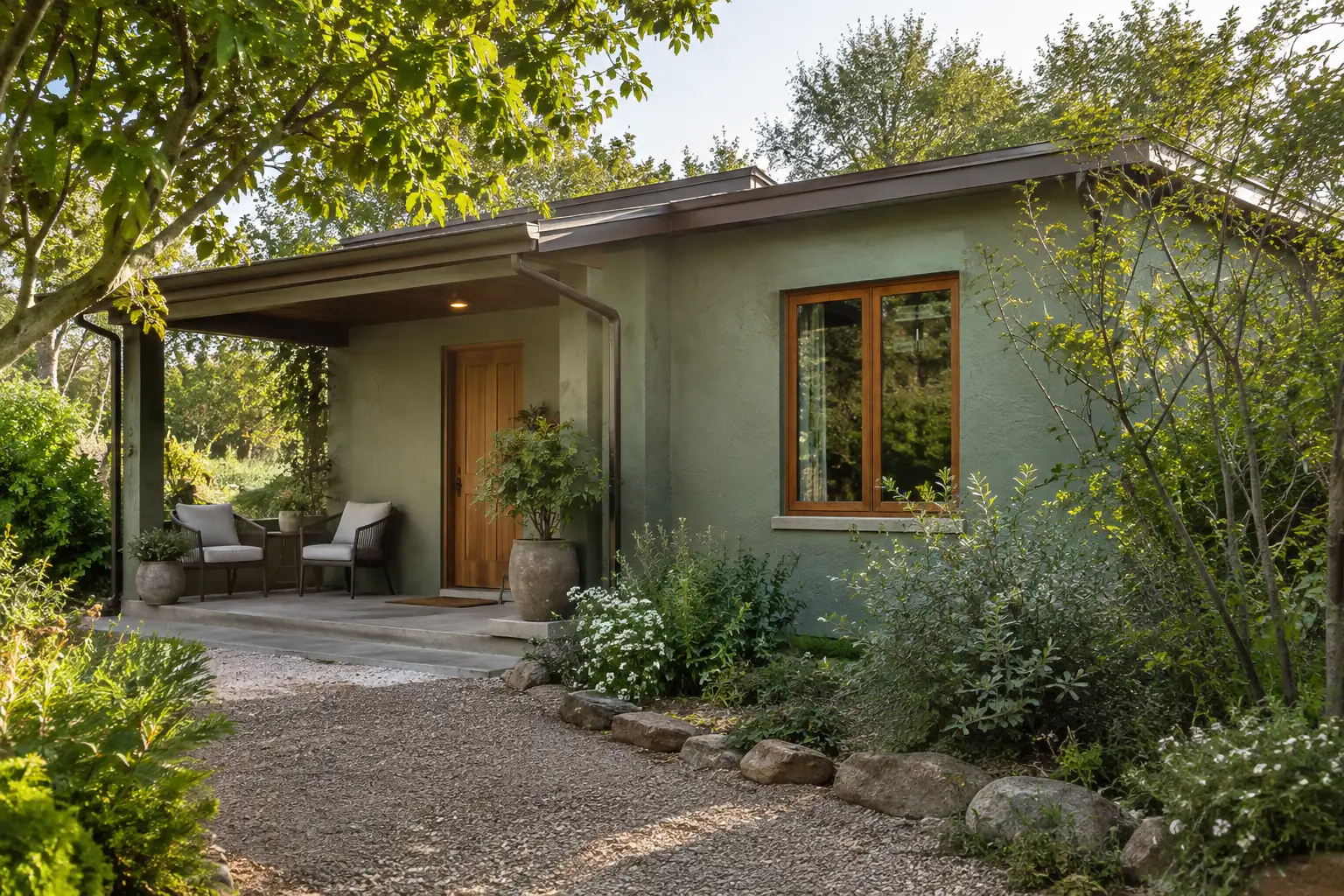
AI fictional Stillleaf Cottage exterior showing muted green plaster, warm timber and modest framed garden windows

AI concept · not real

Stillleaf Cottage

Stillleaf Cottage is a fictional two-guest cottage adaptation organized around noticing an existing garden quietly. Two comfortable observation seats, a framed window and a modest sheltered porch support an unhurried routine without promising wildlife encounters.

Adapt an existing property

Additional routines

Read the host-fit brief

Could this fit your property?

An existing cottage host with an established useful garden outlook who can maintain viewing comfort and honest seasonal information.

Adapt an existing property · Additional routines

Guest focus: Nature watchers, Couples.

Suitable setting: An existing one-bedroom cottage with an established useful garden outlook.

When another approach fits better
Disruptive neighboring activity, an uninteresting outlook or a plan dependent on feeding wildlife makes another guest focus a better choice.
Minimum practical requirements
  • An existing useful outlook without attracting wildlife through feeding
  • Suitable seating, framed windows assessed for collision reduction and appropriate exterior lighting
  • Accurate seasonal expectations and clear permitted guest areas
Changes to plan
  • Equip two comfortable observation positions and a place for personal notes
  • Assess real glazing and lighting with appropriate local guidance before advertising features
  • Maintain a sheltered sitting porch and explain quiet observation practices
Ongoing hosting checklist
  • Inspect seating, window surfaces and proposed collision-reduction treatments
  • Maintain the porch and review exterior lighting
  • Refresh seasonal information without inventing sightings or species
Example guest journey — fictional
Fictional example: two guests arrive, read the observation guidance and sit beside the garden window. Later they move to the sheltered porch and record what they noticed. Sightings are optional and never promised.

Editorial fit guidance, not a construction specification, safety certification, cost estimate or return forecast.

Explore the concept
Discover the sample guest guide

See how guests find access details, Wi-Fi, local tips, property highlights and house rules.
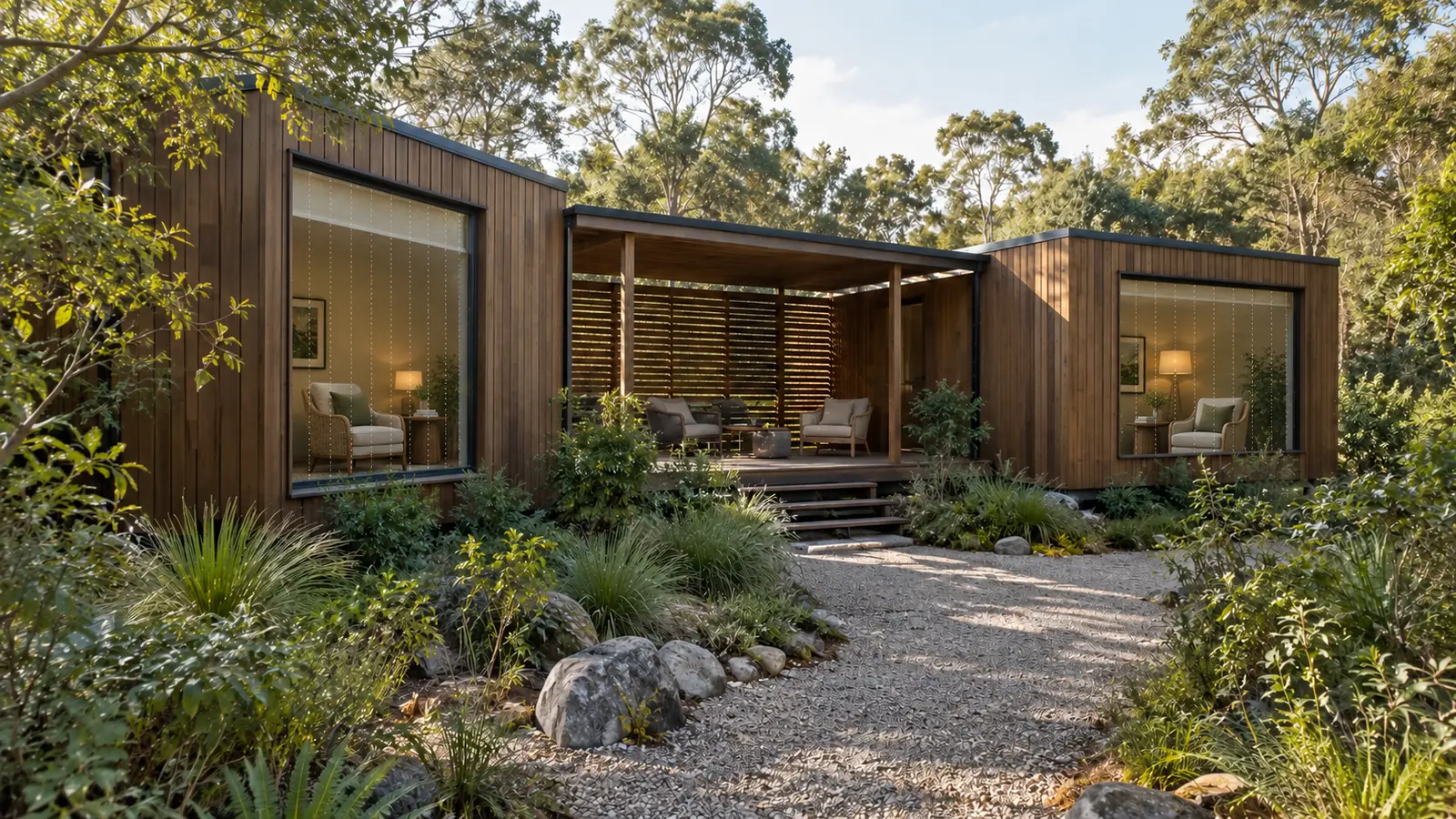
AI fictional Dawnwatch Lodge exterior showing timber cladding, opaque wall sections, framed viewing windows and a screened veranda

AI concept · not real

Dawnwatch Lodge

Dawnwatch Lodge is a fictional four-guest, two-bedroom lodge with two dedicated viewing bays and a screened connecting veranda. Opaque wall sections and framed windows keep the observation idea distinct from a continuous glass facade; the real site would need habitat and glazing assessment.

New build or substantial conversion

Additional routines

Read the host-fit brief

Could this fit your property?

A suitable development or substantial conversion where habitat-sensitive placement and two dedicated observation positions fit alongside normal household rooms.

New build or substantial conversion · Additional routines

Guest focus: Nature watchers, Small groups.

Suitable setting: Suitable land or a substantial conversion where observation spaces can be placed without damaging the habitat.

When another approach fits better
Construction that damages the habitat, excessive exterior lighting or viewing rooms that displace essential living space defeats the purpose.
Minimum practical requirements
  • Site assessment and habitat-sensitive placement before construction
  • Two usable viewing bays, screened weather protection and two real bedrooms
  • Reviewed collision-reduction design and controlled exterior lighting
Changes to plan
  • Plan viewing bays around the actual outlook and disturbance limits
  • Assess framed glazing, external treatments, screens and lighting at the real site
  • Keep ordinary sleeping, cooking and housekeeping circulation separate
Ongoing hosting checklist
  • Inspect screens, viewing surfaces, chairs and weather protection
  • Maintain exterior lighting controls and reviewed glazing treatments
  • Refresh permitted-access and seasonal information without claiming sightings
Example guest journey — fictional
Fictional example: guests use different viewing bays early in the day, share breakfast and move to the screened veranda when the weather changes. They observe only from permitted areas and no wildlife encounter is guaranteed.

Editorial fit guidance, not a construction specification, safety certification, cost estimate or return forecast.

Explore the concept
Discover the sample guest guide

See how guests find access details, Wi-Fi, local tips, property highlights and house rules.

How to choose between these nature-watching rental ideas

Choose Stillleaf Cottage when an existing cottage already has a useful garden outlook. Choose Dawnwatch Lodge when a suitable site or substantial conversion can accommodate two dedicated viewing bays without damaging habitat. If nearby activity overwhelms the outlook, or the experience depends on feeding wildlife, choose another guest focus.

Compare the two fictional category concepts
Your decisionStillleaf CottageDawnwatch Lodge
Guest fitTwo guests who enjoy quiet garden observationFour guests using different observation positions
Starting propertyExisting one-bedroom cottage with an established outlookNew two-bedroom lodge or substantial conversion on suitable land
Signature routineWindow observation, sheltered porch and personal notesTwo viewing bays joined by a screened veranda
AdaptationsComfortable seats, glazing assessment and porch upkeepHabitat-sensitive placement, framed glazing, screens and controlled lighting
Ongoing workViewing surfaces, seating and seasonal informationThose tasks plus screens, lighting and two viewing positions
Choose another approach whenA useful outlook requires attracting or disturbing wildlifeConstruction would damage the habitat that gives the concept its purpose
AI fictional Stillleaf Cottage exterior showing muted green plaster, warm timber and modest framed garden windows
Stillleaf Cottage: AI-generated fictional design direction.
AI fictional Dawnwatch Lodge exterior showing timber cladding, opaque wall sections, framed viewing windows and a screened veranda
Dawnwatch Lodge: AI-generated fictional design direction.

Adapt the experience to your actual property

  • Assess the actual outlook at different times and seasons before changing the property. Note ordinary disturbances, neighboring activity and weather exposure. An attractive concept image cannot establish wildlife presence or lawful access.
  • Try the intended observation positions for comfort. Keep ordinary household spaces usable and provide a sheltered option when sitting outside is unpleasant. Observation remains optional; the rental must still work without a sighting.
  • Review real windows, reflections and exterior lighting using appropriate local expertise and collision-reduction guidance. Consider exterior treatments, screens and opaque wall sections. The imagined designs do not certify that an installation is bird-safe.
  • Keep guests within permitted areas and explain low-disturbance observation. Do not add feeders, wildlife playback or access into sensitive habitat to fulfill the concept promise.
  • Write a guest guide that distinguishes verified local information from possibilities. Explain seasonal limits, property routines and suitable official resources, then maintain the information as conditions change.

Check the operating fit

  • Is there a useful established outlook without feeding wildlife?
  • Can guests observe comfortably in changing weather?
  • Have actual glazing and lighting been assessed?
  • Are permitted areas and disturbance limits clear?
  • Can the team maintain seating, screens and viewing surfaces?
  • Would the stay remain worthwhile outside the best observation season?

An example of putting the idea to work

Fictional operating example: a cottage host has a mature garden visible from an ordinary window. They test two seats, assess the glazing and create a sheltered sitting option. The guide explains that seasons and neighboring activity affect observation. If the outlook proves unsuitable, the host chooses a reading-focused cottage rather than inventing wildlife encounters.

What the concept does and does not promise

  • No sightings, particular species, reserve access or guided tours are promised.
  • Feeders, wildlife playback and conservation certification are outside this launch offering.
  • Proposed window treatments and controlled lighting are planning features, not evidence that an imagined building is certified bird-safe. A real site needs its own review.

Demand signals and their limits

Booking.com’s 2026 survey reports that 43% of respondents would vacation to feel closer to nature and 25% would pursue quieter hobbies. These stated interests are broader than birdwatching and do not measure bookings or Google keyword volume. CBI, the American Birding Association and U.S. Fish & Wildlife Service provide practical context for information, disturbance and glazing decisions. Reviewed October 2, 2026; local demand and site suitability remain unverified.

Evidence reviewed October 2, 2026. Validate your own market before committing to a project.

Related inspiration from the existing library

Lakeframe Cabin

Compare scenic framing and weather-aware comfort with a dedicated observation setup; a view alone does not establish wildlife suitability.

Margin Notes Cottage

Explore reading comfort and an unhurried ritual when quiet observation is not the right property promise.

Frequently asked questions

What surroundings suit nature-watching rental ideas?
Start with a genuine useful outlook that can be enjoyed from permitted areas without attracting or disturbing wildlife. Assess seasons, weather and neighboring activity at the actual property.
What happens outside the best season?
Describe seasonal limits before booking and keep the ordinary accommodation comfortable. Neither concept depends on a guaranteed sighting; sheltered seating and unhurried time remain useful.
Are binoculars included?
No supplied binoculars or specialist optics are included in these fictional briefs. Guests may bring their own. Any future equipment must be accurately described and maintained.
How should hosts assess windows and lighting?
Review the actual glazing, reflections and exterior light with appropriate local expertise and published collision-reduction guidance. External treatments or screens need suitable installation and inspection; these images provide no certification.
What wildlife information belongs in the guest guide?
Verified local information, permitted areas, low-disturbance behavior and honest seasonal expectations. Do not invent species, sightings, reserve access or a guiding service.

Turn a real property into a clear guest experience

Once your property and amenities are real, accurate expectations belong on your website and in the guest guide. Host-Pilot can generate those starting points from a listing URL for you to review and edit.

Explore direct booking websitesExplore digital guest guides

What these concepts are

Each concept is an original creative direction: identity, target guest, setting, signature feature and an example digital property experience. It is inspiration—not an address, listing, review, availability claim, architectural drawing or engineering plan.

Built with the real Host-Pilot engine

The property experience uses the same direct-booking website engine Host-Pilot creates from a host’s listing URL. Already operate a real stay? Generate your website and guest guide, then edit and run it from your own Host-Pilot account.

Paste your listing URL